As the construction industry seeks ways to reduce its environmental impact, the demand for sustainable concrete alternatives has never been higher. Traditional concrete, while strong and versatile, is responsible for a significant portion of global carbon emissions due to its cement content. Builders, architects, and homeowners are now exploring innovative materials that offer durability, performance, and a smaller ecological footprint. This guide introduces some of the most promising options, their benefits, and practical considerations for modern building projects.
Understanding the advantages of eco-friendly materials is crucial for anyone aiming to create greener structures. For a deeper dive into the benefits of eco friendly building materials, explore how these choices positively impact both the planet and building occupants.
Why Seek Alternatives to Traditional Concrete?
Concrete is the backbone of modern infrastructure, but its production is energy-intensive and emits large quantities of CO2. Cement, the key binding ingredient, is particularly problematic from an environmental perspective. By choosing sustainable concrete alternatives, builders can:
- Reduce greenhouse gas emissions
- Lower embodied energy in buildings
- Utilize renewable or recycled resources
- Improve indoor air quality and occupant health
These benefits align with the growing movement toward low carbon building materials and responsible construction practices.
Top Eco-Friendly Materials for Modern Construction
Several innovative materials are now available as substitutes for conventional concrete. Each offers unique properties, making them suitable for a range of structural and non-structural applications.
Bamboo-Based Structural Components
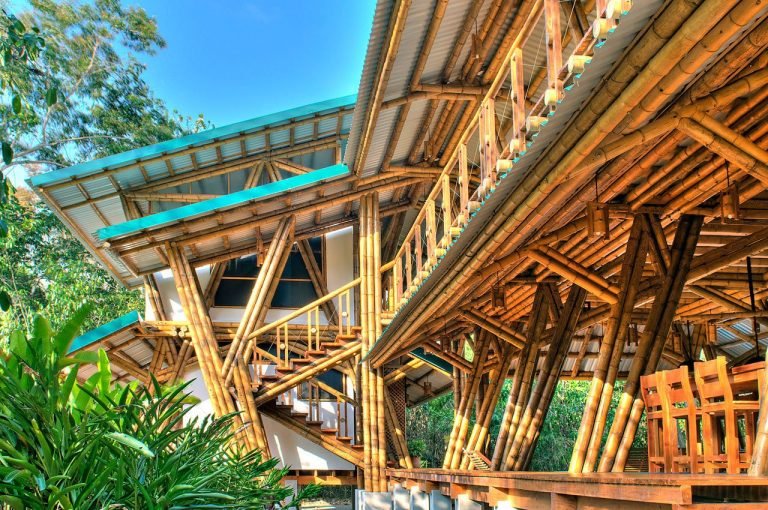
Bamboo is a rapidly renewable resource with impressive strength-to-weight ratios. Engineered bamboo panels and beams can replace steel or concrete in certain load-bearing applications. Its natural flexibility also makes it resilient in seismic zones. Bamboo’s sustainability credentials are further enhanced by its ability to sequester carbon as it grows.
Mass Timber and Engineered Wood Products
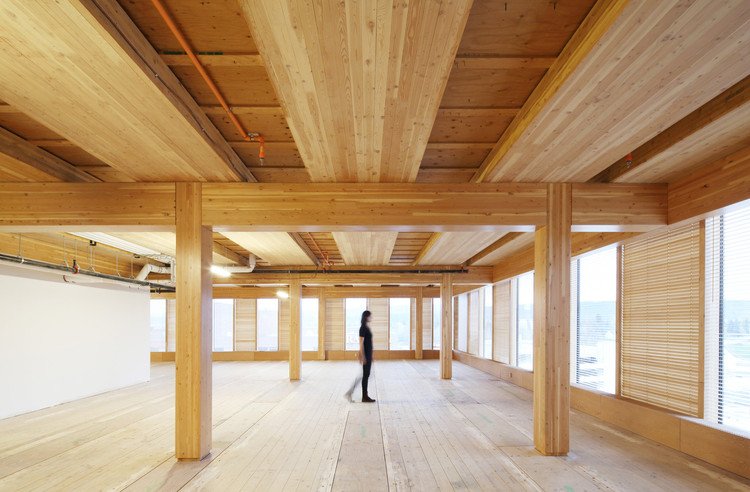
Mass timber, including cross-laminated timber (CLT) and glue-laminated beams, is gaining popularity for mid-rise and even high-rise buildings. These products are made from sustainably harvested wood, providing structural strength comparable to concrete and steel. They also store carbon and offer design flexibility. For more on natural options, see natural building materials for homes for healthier construction choices.
Rammed Earth and Compressed Earth Blocks
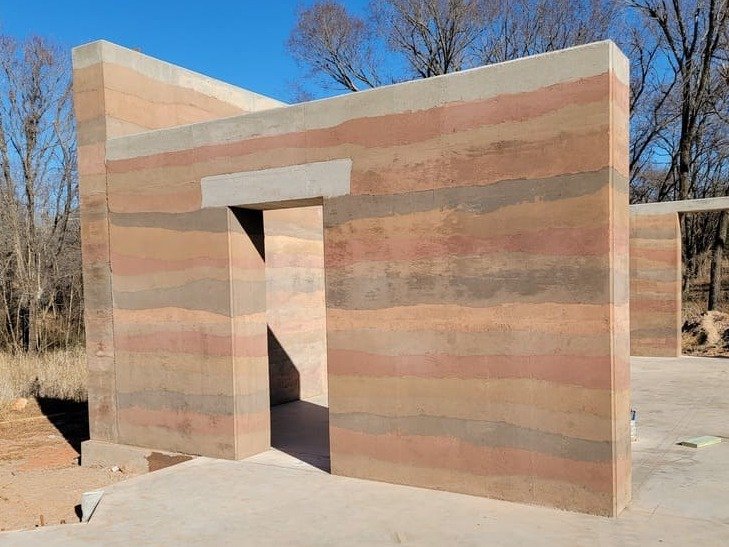
Rammed earth construction uses compacted soil, sometimes stabilized with a small amount of cement or lime, to create thick, durable walls. Compressed earth blocks (CEBs) are similar but formed into bricks for modular construction. These methods have low embodied energy and excellent thermal mass, helping to regulate indoor temperatures naturally.
Green Concrete Innovations
Advancements in material science have led to the development of green concrete materials that incorporate industrial byproducts such as fly ash, slag, or recycled aggregates. These mixes often use less cement or replace it entirely with alternative binders, significantly reducing carbon emissions while maintaining structural integrity.
Recycled and Upcycled Materials
Incorporating recycled glass, plastic, or rubber into concrete mixes is another way to minimize waste and resource consumption. These materials can enhance certain properties, such as insulation or impact resistance, and contribute to a circular economy. For more practical examples, review recycled construction materials examples for zero-waste building.
Performance and Suitability of Alternative Materials
When evaluating sustainable concrete alternatives, it’s important to consider:
- Structural requirements: Not all materials are suitable for every load-bearing application.
- Climate and site conditions: Some options, like rammed earth, perform best in dry climates.
- Availability and cost: Local sourcing can reduce transportation emissions and expenses.
- Building codes and standards: Ensure compliance with regional regulations and certifications.
Many of these materials offer comparable or superior performance to traditional concrete, especially when used in the right context. Mass timber, for example, is now used in multi-story buildings thanks to its strength and fire resistance. Engineered bamboo and earth-based systems are proving their value in both residential and commercial projects.
Environmental and Health Benefits
Choosing eco-friendly building materials goes beyond reducing carbon emissions. Many alternatives provide:
- Improved indoor air quality: Fewer volatile organic compounds (VOCs) and toxins
- Enhanced thermal comfort: Natural insulation and thermal mass properties
- Biophilic design: Natural materials create calming, healthier environments
- Resource conservation: Reduced reliance on non-renewable resources
These benefits contribute to healthier buildings and communities, supporting long-term sustainability goals.
Challenges and Considerations
While the advantages are clear, there are challenges to widespread adoption of sustainable concrete alternatives:
- Limited awareness: Builders and clients may be unfamiliar with new materials.
- Supply chain issues: Some products are not yet widely available in all regions.
- Initial costs: Upfront expenses can be higher, though lifecycle costs are often lower.
- Technical expertise: Specialized knowledge may be required for design and installation.
Education, incentives, and updated building codes can help overcome these barriers and accelerate the shift toward greener construction practices.
Further Reading and Resources
For those interested in the latest research and trends, the Sustainable and Eco-Friendly Building Materials magazine provides in-depth articles and case studies from around the world.
To explore more about reducing your project’s environmental impact, see our guide to low carbon building materials and discover innovative solutions for modern builds.
Frequently Asked Questions
What are the most widely used sustainable alternatives to concrete?
Some of the most popular options include mass timber (such as cross-laminated timber), engineered bamboo, rammed earth, and green concrete mixes that use recycled or industrial byproducts. The best choice depends on the project’s requirements and local availability.
How do eco-friendly concrete substitutes compare in strength and durability?
Many alternatives, like mass timber and engineered bamboo, offer structural performance comparable to traditional concrete. Rammed earth and compressed earth blocks are also highly durable when properly constructed. Green concrete innovations can match or exceed the strength of conventional mixes, especially when designed for specific applications.
Are these materials more expensive than regular concrete?
Initial costs can be higher for some sustainable materials due to limited supply or specialized manufacturing. However, long-term savings often result from reduced energy use, lower maintenance, and improved occupant health. Local sourcing and increased demand are helping to bring prices down over time.