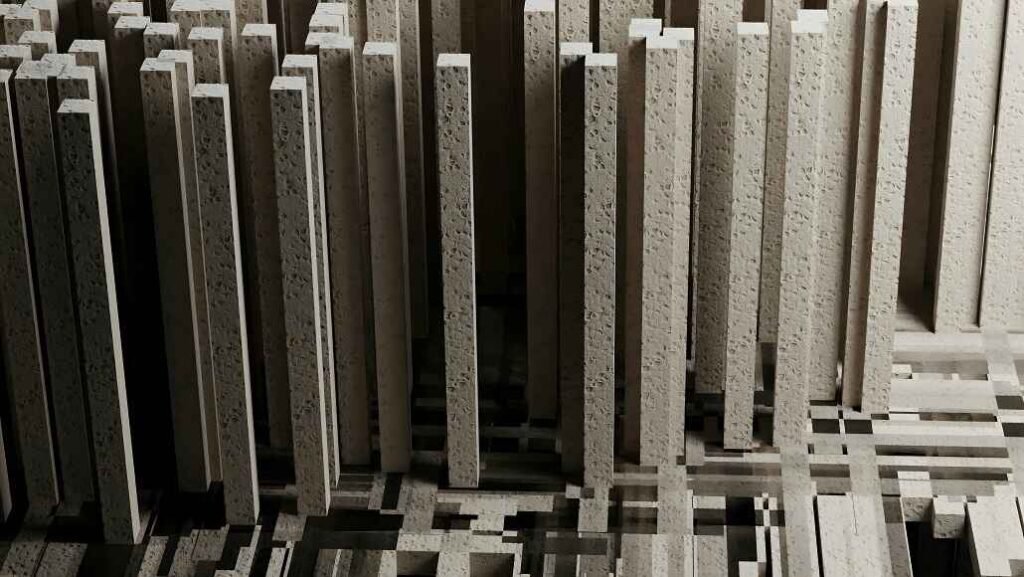
Rammed earth construction technique has gained renewed attention among architects, builders, and eco-conscious homeowners seeking sustainable, visually striking, and long-lasting wall systems. This ancient building method, which compresses a mixture of earth, sand, gravel, and stabilizers into sturdy forms, delivers walls with impressive thermal mass, natural beauty, and minimal environmental impact. As modern construction increasingly values green materials and energy efficiency, understanding how rammed earth is built and its unique advantages can help you decide if it’s right for your next project.
In this article, we’ll explore the essential steps, materials, and design considerations for building with rammed earth. You’ll also discover how this method compares to other sustainable wall systems, and learn about its role in the future of eco-friendly construction. For those interested in broader green building options, see our guide on biodegradable building materials for more inspiration.
What Is Rammed Earth and Why Choose It?
At its core, the rammed earth construction technique involves compacting layers of damp soil inside temporary forms to create solid, monolithic walls. The process dates back thousands of years, with structures in China, the Middle East, and Europe still standing today. Modern rammed earth often incorporates stabilizers like cement or lime to enhance strength and durability, but the basic principle remains unchanged.
Key reasons to consider this approach include:
- Natural aesthetics: Rammed earth walls display beautiful, layered textures and earthy tones that blend seamlessly with natural surroundings.
- Thermal performance: The dense mass of these walls helps regulate indoor temperatures, reducing the need for mechanical heating and cooling.
- Low embodied energy: Using locally sourced soil and minimal processing, rammed earth minimizes carbon emissions compared to conventional masonry or concrete.
- Longevity: Properly built rammed earth structures can last for centuries with minimal maintenance.
For those weighing sustainable options, rammed earth stands alongside other green materials such as bamboo and hempcrete. Learn more about bamboo construction materials advantages for a comparison of strength and style.
Materials and Mix Design for Rammed Earth Walls
The success of any rammed earth project depends on selecting the right mix of materials. The basic ingredients are:
- Soil: Ideally, subsoil with a balance of sand, silt, and clay (often around 70% sand/gravel and 30% clay/silt).
- Stabilizer: Cement, lime, or other binders are often added (typically 5–10% by volume) to improve strength and water resistance.
- Water: Just enough to achieve a damp, packable consistency—too much water weakens the structure.
Testing the soil is crucial. A poor mix can lead to cracking or weak walls. Many builders consult with geotechnical engineers or use on-site test blocks to fine-tune the proportions. Some projects incorporate pigments or aggregates for custom colors and textures.
Step-by-Step Guide to the Rammed Earth Construction Process
Building with this method involves several key stages. Here’s a simplified overview:
- Site Preparation: Excavate and level the ground. Prepare foundations—rammed earth walls are heavy and require solid support.
- Formwork Setup: Erect strong, reusable forms (typically plywood or steel) to define the shape and thickness of the wall. The forms must withstand high compaction forces.
- Layering and Compaction: Place the prepared soil mix in the forms in layers (usually 4–6 inches thick). Each layer is compacted using pneumatic or manual rammers until dense and solid.
- Form Removal: Once a wall section is complete, remove the forms to reveal the finished surface. The process is repeated for each section, often working in lifts.
- Finishing Touches: Openings for doors and windows are integrated during construction. Walls may be sealed with natural oils or breathable coatings for added protection.
The entire process is labor-intensive but results in walls with a unique, natural appearance and excellent performance. For a closer look at other eco-friendly wall systems, see our article on hempcrete building material uses and its energy-saving benefits.
Comparing Rammed Earth to Other Sustainable Wall Systems
When evaluating green building methods, it’s helpful to compare rammed earth with alternatives like straw bale, hempcrete, and mass timber. Each has its own strengths:
- Rammed earth: Excels in thermal mass, durability, and fire resistance. Best suited for dry climates but can be adapted for wetter regions with proper detailing.
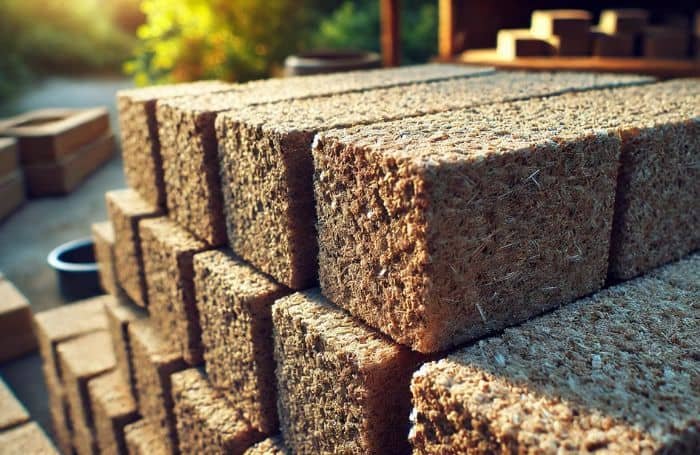
- Hempcrete: Offers excellent insulation and carbon sequestration, but is less load-bearing and requires a frame.
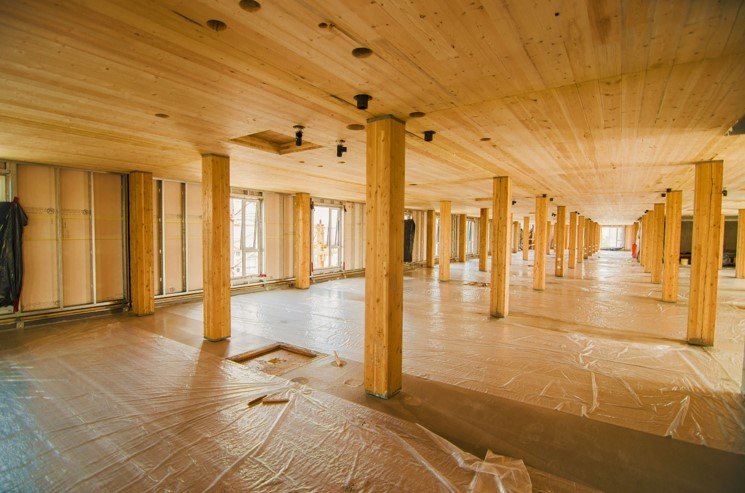
- Mass timber: Fast to assemble and renewable, but relies on forestry resources and may need chemical treatments.
For a deeper dive into renewable options, check out our feature on renewable construction materials and how to source them responsibly.
If you’re interested in a broader overview of sustainable choices, this comprehensive guide to sustainable building materials covers a wide range of eco-friendly options, including rammed earth and more.
Design Considerations and Best Practices
To get the most from the rammed earth construction technique, careful planning is essential. Here are some best practices:
- Wall Thickness: Typical walls are 12–18 inches thick, providing both structure and thermal mass.
- Weather Protection: Deep roof overhangs, raised foundations, and water-resistant plinths help prevent erosion and water damage.
- Openings: Plan window and door placements to minimize structural interruptions and maximize passive solar gain.
- Finishes: Most rammed earth walls are left exposed for aesthetics, but breathable sealants can be applied for added durability.
It’s also important to work with experienced designers and contractors familiar with this method. Local climate, soil conditions, and building codes will influence the final design.
Environmental Impact and Sustainability
One of the strongest arguments for rammed earth is its low environmental footprint. By using abundant, local materials and reducing the need for energy-intensive products like concrete or fired brick, this approach supports sustainable development. The high thermal mass of rammed earth walls also helps lower energy bills by stabilizing indoor temperatures.
For those seeking even greener solutions, consider exploring eco friendly cement alternatives to further reduce carbon emissions in your build.
Frequently Asked Questions
How long do rammed earth walls last?
Properly constructed rammed earth walls can last for hundreds of years. Many ancient structures built with this method are still standing today. Modern stabilizers and protective design details further increase longevity.
Is rammed earth suitable for wet climates?
While traditionally best suited to dry regions, rammed earth can be adapted for wetter climates with careful detailing. Raised foundations, wide roof overhangs, and water-resistant plinths are essential to prevent moisture damage.
Can rammed earth be used for multi-story buildings?
Yes, with proper engineering, rammed earth can support multi-story construction. The technique is most commonly used for single- and two-story buildings, but larger projects are possible with reinforced designs and experienced builders.
Rammed earth construction technique offers a compelling blend of sustainability, durability, and natural beauty. With the right planning and expertise, it’s possible to create walls that are both environmentally responsible and visually stunning—making this ancient method a smart choice for modern green building.