The environmental impact of the built environment extends far beyond what meets the eye. While much attention is given to energy efficiency and operational emissions, a significant portion of a building’s carbon footprint is locked in before it’s ever occupied. This “hidden” impact is known as embodied carbon in construction materials—the sum of greenhouse gas emissions generated throughout the extraction, manufacturing, transportation, and installation of building products.
Understanding and addressing embodied emissions is crucial for anyone involved in design, construction, or renovation. As global efforts intensify to reduce climate change, the construction sector faces growing pressure to account for these emissions. This article explores what embodied carbon means, how it’s measured, and why it’s a critical factor in sustainable building practices.
For those interested in deeper sustainability standards, certifications for green building materials provide valuable frameworks for evaluating product choices.
What Is Embodied Carbon and Why Does It Matter?
Embodied carbon refers to all the carbon dioxide (CO2) and other greenhouse gases emitted during the entire life cycle of a construction material—starting from raw material extraction, through processing and manufacturing, up to transportation and installation. Unlike operational emissions, which are released during a building’s use phase (such as heating and cooling), embodied emissions are “locked in” as soon as the building is completed.
This distinction is important because, as buildings become more energy efficient, the proportion of total emissions coming from materials increases. In some modern, low-energy buildings, embodied carbon can account for over half of the total carbon footprint over a building’s lifetime.
How Is Embodied Carbon in Building Materials Measured?
Measuring the carbon footprint of construction products involves a process called life cycle assessment (LCA). This method tracks emissions at each stage:
- Raw material extraction (mining, harvesting, etc.)
- Processing and manufacturing
- Transportation to the building site
- Installation and construction
- End-of-life (demolition, recycling, or disposal)
Environmental Product Declarations (EPDs) are standardized documents that disclose the environmental impact of a product, including its embodied carbon. Builders and architects can use these to compare products and make informed choices.
For a deeper dive into this topic, see life cycle analysis building materials for a comprehensive look at measuring total impact.
Major Contributors to Embodied Carbon in Construction
Not all building materials are created equal when it comes to carbon emissions. Some of the biggest contributors include:
- Cement and concrete: Cement production is responsible for about 8% of global CO2 emissions.
- Steel: Manufacturing steel requires significant energy, often from fossil fuels.
- Aluminum: Highly energy-intensive to produce, especially if not recycled.
- Glass and insulation: Both require high temperatures and energy use during production.
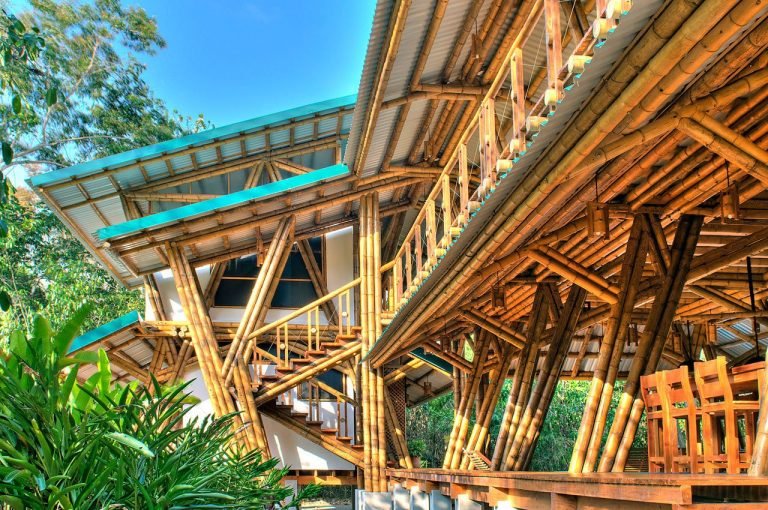
On the other hand, materials like sustainably sourced timber, bamboo, and recycled products tend to have much lower embodied emissions.
Reducing Embodied Emissions in Construction Projects
Lowering the carbon footprint of a building starts with smart material selection and design strategies. Here are some effective approaches:
- Choose low-carbon materials: Opt for products with recycled content, renewable resources like bamboo, or those with verified EPDs.
- Design for material efficiency: Use only as much material as necessary, and consider modular or prefabricated components to minimize waste.
- Source locally: Reducing transportation distances can significantly cut emissions.
- Plan for reuse and recycling: Design buildings so materials can be easily dismantled and repurposed at end-of-life.
For more on sourcing, check out eco friendly construction material suppliers to find responsible vendors.
Innovative Low-Carbon Materials and Techniques
The construction industry is seeing rapid innovation in materials and methods that help reduce embodied emissions. Some promising developments include:
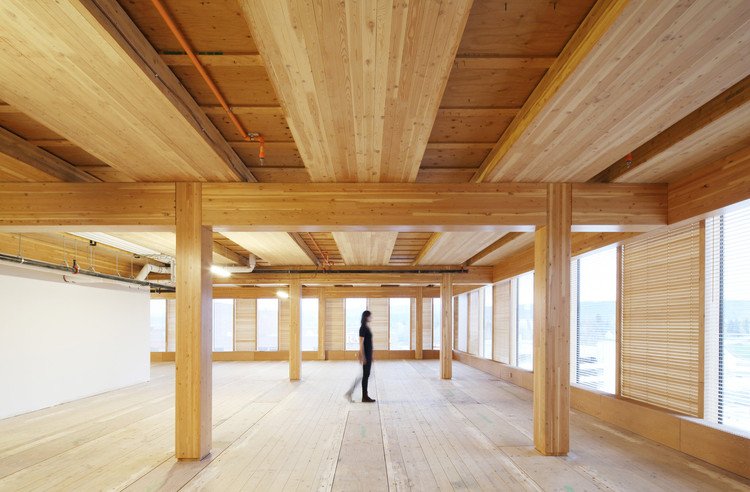
- Engineered timber: Cross-laminated timber (CLT) and other mass timber products store carbon and offer a renewable alternative to concrete and steel.
- Bamboo: Fast-growing, strong, and renewable, bamboo is gaining popularity for structural and finish applications.
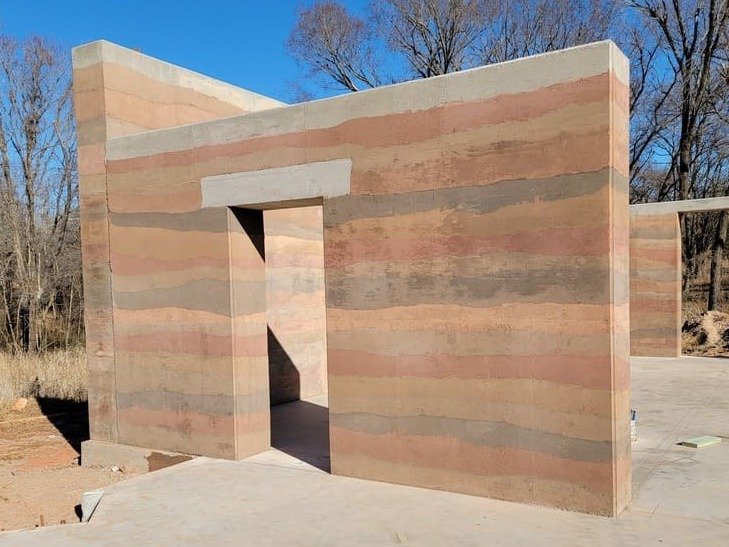
- Rammed earth and natural plasters: These traditional techniques use abundant, low-impact materials.
- Recycled aggregates: Using recycled concrete or glass in new mixes reduces the need for virgin materials.
You can learn more about eco friendly construction material standards to ensure your choices meet recognized sustainability criteria.
The Role of Policy and Industry Standards
Governments and industry bodies are increasingly recognizing the importance of embodied emissions. Building codes and green certifications are starting to include requirements or incentives for low-carbon materials. For example, some regions now require EPDs for key products or set maximum carbon limits for new developments.
To stay ahead, builders and designers should familiarize themselves with evolving standards and consider third-party certifications. For those looking to source responsibly, where to buy sustainable building materials offers guidance on finding reputable suppliers.
For a global perspective on sustainable products, the Sustainable and Eco-Friendly Building Materials research collection provides insights into the latest research and trends.
Challenges and Opportunities Ahead
Reducing the carbon locked in our buildings is not without challenges. Data gaps, lack of standardization, and limited availability of low-carbon options can make it difficult for project teams to make optimal choices. However, as awareness grows, so does innovation—new products, digital tools, and collaborative industry efforts are making it easier to track and reduce embodied emissions.
Ultimately, addressing this aspect of a building’s footprint is essential for meeting climate goals. By choosing materials wisely and advocating for transparency, everyone in the construction value chain can play a part in building a more sustainable future.
FAQ: Embodied Carbon in Building Products
What is the difference between embodied and operational carbon?
Embodied carbon refers to emissions from material production and construction, while operational carbon comes from energy used during the building’s life (heating, cooling, lighting). Both are important, but embodied emissions are set at the time of construction and can’t be changed later.
How can I find out the embodied carbon of a specific material?
Look for an Environmental Product Declaration (EPD) from the manufacturer. EPDs provide transparent, third-party-verified data on a product’s environmental impact, including its carbon footprint.
Are there building materials with negative embodied carbon?
Some materials, like sustainably harvested timber or bamboo, can store more carbon than they emit during production, resulting in a net-negative impact. However, this depends on responsible sourcing and end-of-life management.
Do green building certifications address embodied carbon?
Many modern green building standards, such as LEED and BREEAM, now include credits or requirements for reducing embodied emissions. For more details, see certifications for green building materials.