As the demand for eco-conscious construction grows, homeowners and builders are increasingly seeking sustainable housing material options that balance environmental responsibility, durability, and modern aesthetics. The right choices can reduce a building’s carbon footprint, improve energy efficiency, and promote healthier indoor environments. This guide explores the most promising materials and strategies for creating greener homes, offering practical insights for anyone interested in responsible construction.
Understanding the impact of each material is crucial. Factors such as resource renewability, embodied energy, and recyclability all play a role in determining a product’s sustainability. For those looking to deepen their understanding of how materials are evaluated, the article on life cycle analysis building materials provides an in-depth look at measuring total environmental impact.
Why Choose Eco-Friendly Building Materials?
Opting for sustainable housing material options offers benefits that extend beyond environmental stewardship. These materials often provide superior energy performance, lower maintenance costs, and contribute to healthier indoor air quality. Many are sourced from rapidly renewable resources or recycled content, reducing reliance on finite raw materials. Additionally, green materials can help projects qualify for certifications and incentives, further enhancing long-term value.
For those interested in formal recognition and assurance, understanding certifications for green building materials can help ensure that products meet rigorous environmental standards.
Key Sustainable Materials for Modern Homes
The market offers a diverse range of eco-friendly materials, each with unique properties and applications. Below are some of the most effective and widely adopted choices for contemporary housing projects.
Bamboo: Rapidly Renewable and Versatile
Bamboo is celebrated for its rapid growth rate and strength, making it a popular alternative to traditional hardwoods. It is used for flooring, cabinetry, and even structural elements. Bamboo’s renewability and carbon sequestration capabilities make it a top choice for those seeking to minimize environmental impact.
Mass Timber and Engineered Wood Products
Engineered wood products, such as cross-laminated timber (CLT) and glulam, are gaining traction in residential and commercial construction. These materials are manufactured from smaller pieces of wood, maximizing resource efficiency and enabling the use of fast-growing species. Mass timber structures are not only strong and lightweight but also store carbon throughout their lifespan.
Hempcrete: Lightweight and Insulating
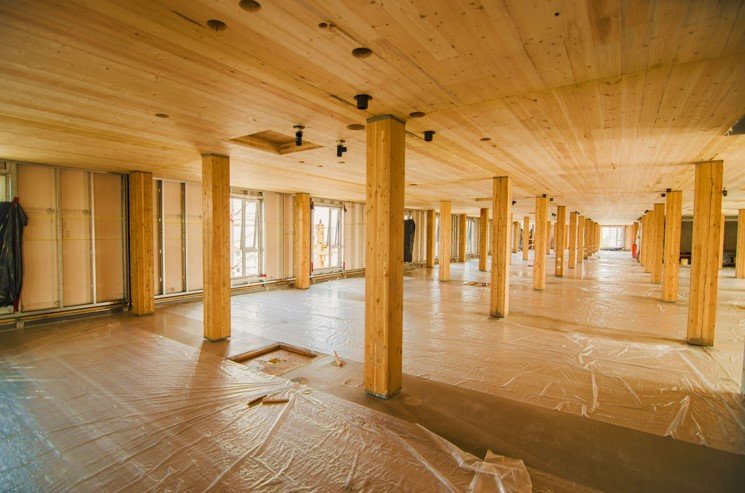
Hempcrete is a bio-composite made from the woody core of the hemp plant mixed with a lime-based binder. This material is lightweight, non-toxic, and provides excellent thermal and acoustic insulation. Hempcrete walls regulate humidity and are resistant to mold and pests, making them ideal for healthy, energy-efficient homes.
Recycled and Reclaimed Materials
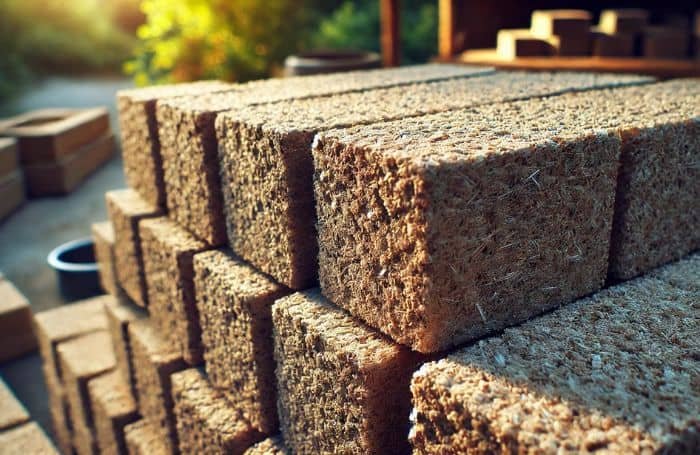
Using recycled steel, reclaimed wood, or salvaged bricks reduces the demand for new raw materials and diverts waste from landfills. These materials often add unique character to a home while supporting circular economy principles. For insulation, recycled denim and cellulose made from post-consumer paper are effective and non-toxic alternatives to conventional products.
Low-Impact Concrete Alternatives
Traditional concrete is a significant source of global CO2 emissions. Alternatives such as fly ash concrete, geopolymer concrete, and products incorporating recycled aggregates offer similar performance with a reduced environmental footprint. These solutions are increasingly available and can be specified for foundations, slabs, and other structural elements.
Insulation and Energy Efficiency
Proper insulation is essential for minimizing energy use and maintaining comfortable indoor temperatures. Sustainable housing material options for insulation include:
- Cellulose: Made from recycled paper, it offers excellent thermal performance and is treated for fire resistance.
- Sheep’s Wool: Naturally fire-retardant, moisture-regulating, and biodegradable.
- Cotton (Denim): Repurposed from textile waste, safe to handle, and effective at sound absorption.
- Fiberglass: Now available in eco-friendly formulations with reduced embodied energy.
For those interested in purchasing eco-friendly insulation, options like fiberglass insulation rolls are widely accessible and easy to install.
Certifications and Standards for Green Materials
When selecting products, look for recognized certifications such as FSC (Forest Stewardship Council) for wood, Cradle to Cradle, GREENGUARD, and Energy Star. These labels indicate that a product meets strict environmental and health criteria. For a comprehensive overview of what to look for, the resource on eco friendly construction material standards is highly recommended.
Comparing Environmental Impacts
Not all green materials are created equal. It’s important to consider the full life cycle, from raw material extraction to end-of-life disposal. Some products may have low operational impacts but high embodied carbon due to manufacturing or transportation. To better understand these trade-offs, explore the topic of embodied carbon in construction materials and how it influences overall sustainability.
How to Select the Right Materials for Your Project
Choosing the best sustainable housing material options depends on climate, budget, local availability, and design goals. Here are a few practical tips:
- Prioritize materials with third-party certifications and transparent sourcing.
- Favor products that are locally produced to minimize transportation emissions.
- Consider durability and maintenance requirements for long-term sustainability.
- Evaluate the potential for reuse or recycling at the end of the building’s life.
For a step-by-step approach, see the guide on how to choose eco friendly materials for building your home, which covers practical decision-making strategies.
Innovative Trends in Green Construction
The field of sustainable building is constantly evolving. Recent innovations include:
- 3D-printed homes using recycled plastics or earth-based materials.
- Living roofs and walls that enhance insulation and biodiversity.
- Smart glass and dynamic shading systems for optimized energy use.
- Modular construction that reduces waste and speeds up the building process.
For a broader perspective on emerging materials and technologies, the article on sustainable building materials in modern construction offers a comprehensive overview.
Frequently Asked Questions
What are the most cost-effective sustainable materials for home building?
Some of the most affordable eco-friendly materials include bamboo, recycled steel, and cellulose insulation. These options provide a balance of performance and sustainability without significantly increasing construction costs.
How can I verify that a building material is truly sustainable?
Look for third-party certifications such as FSC, Cradle to Cradle, or GREENGUARD. These labels indicate that the product has been independently evaluated for environmental and health impacts.
Are sustainable materials as durable as traditional options?
Many green materials, such as engineered wood, recycled steel, and hempcrete, offer durability equal to or greater than conventional products. Proper installation and maintenance are key to maximizing lifespan.