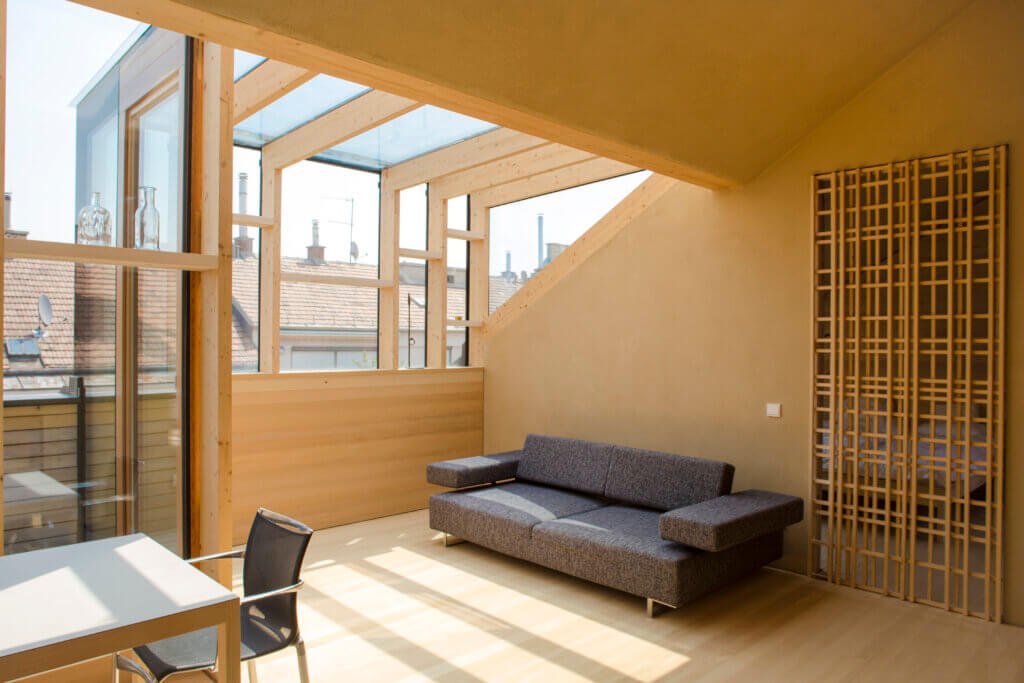
Choosing the best sustainable materials for home construction is no longer just a trend—it’s a necessity for anyone seeking to reduce environmental impact, improve energy efficiency, and create healthier living spaces. As the demand for eco-conscious building grows, so does the variety of innovative, renewable, and responsibly sourced materials available for both structural and interior design. This article explores top options, their benefits, and practical considerations for integrating them into modern homes.
Understanding which materials offer the greatest sustainability advantages can be complex. Factors like embodied carbon, durability, recyclability, and local sourcing all play a role. For a deeper dive into evaluating the total environmental impact of building products, see our guide on life cycle analysis building materials.
Why Prioritize Eco-Friendly Building Choices?
Opting for eco friendly construction material standards is about more than just aesthetics or resale value. Sustainable materials help minimize resource depletion, lower greenhouse gas emissions, and often contribute to healthier indoor air quality. Many of these products are designed to last longer and require less maintenance, offering cost savings over time. For homeowners and builders, understanding the eco friendly construction material standards can help ensure that selected products meet recognized benchmarks for sustainability and performance.
Additionally, using renewable or recycled resources can reduce the overall carbon footprint of a building project. The construction industry is a significant contributor to global emissions, so even small changes in material selection can have a measurable impact.
Top Renewable and Low-Impact Materials for Modern Homes
Below are some of the most effective and widely adopted options for sustainable home construction and design. Each material offers unique advantages, making them suitable for different applications and climates.
Bamboo: Fast-Growing and Versatile
Bamboo is one of the fastest-growing plants on earth, making it a highly renewable resource. It is used for flooring, cabinetry, wall panels, and even structural elements in some regions. Bamboo products are durable, naturally resistant to pests, and can be harvested without killing the root system, allowing for rapid regrowth.
For those interested in eco-friendly flooring, bamboo offers a warm, modern look and is available in a range of finishes. Its sustainability credentials are further enhanced when sourced from certified plantations that avoid harmful chemicals and unsustainable harvesting practices.
Recycled and Reclaimed Wood
Using reclaimed or recycled wood helps preserve forests and reduces landfill waste. Salvaged timber from old buildings, barns, or industrial sites can be repurposed for flooring, beams, and decorative features. This approach not only conserves resources but also adds unique character and history to a home.
When selecting wood products, look for certifications that verify responsible forestry practices. For more on how to identify trustworthy labels, see our resource on certifications for green building materials.
Insulation Made from Renewable or Recycled Content
Effective insulation is crucial for energy efficiency, and sustainable options are increasingly available. Materials such as cellulose (made from recycled paper), sheep’s wool, and cotton (often from recycled denim) offer excellent thermal performance with minimal environmental impact. Fiberglass insulation is also available in eco-friendly variants that use recycled glass and binders free from formaldehyde.
Choosing the right insulation can significantly reduce heating and cooling costs while supporting healthier indoor air quality. For those interested in minimizing embodied carbon, consider products with third-party certifications and low-VOC content.
Mass Timber and Engineered Wood Products
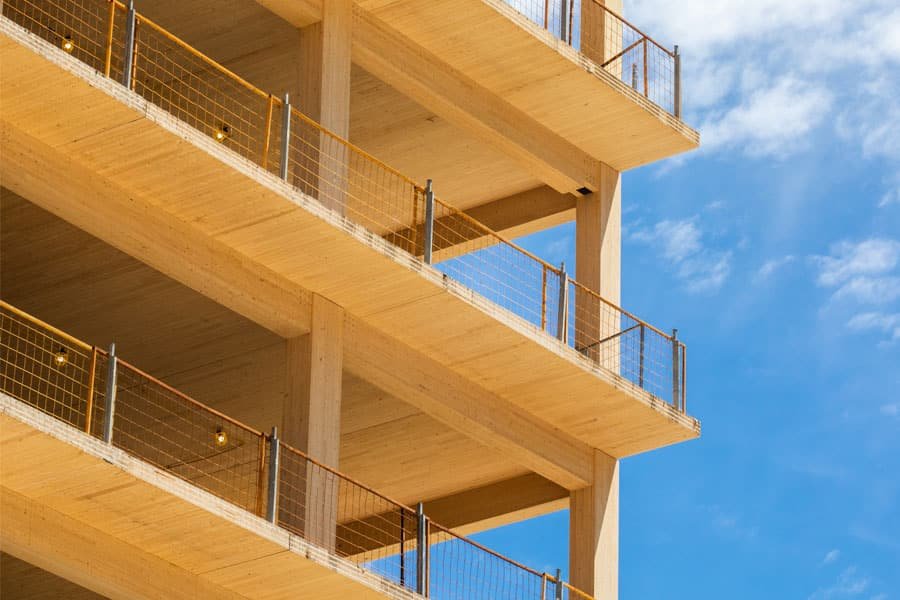
Mass timber, including cross-laminated timber (CLT) and glue-laminated beams, is gaining popularity as a structural alternative to concrete and steel. These engineered wood products are strong, lightweight, and can be sourced from sustainably managed forests. They also sequester carbon, helping to offset emissions from other building materials.
Mass timber construction enables faster build times and can reduce the overall environmental footprint of a project. Its versatility makes it suitable for both residential and commercial buildings.
Natural Stone and Clay-Based Materials
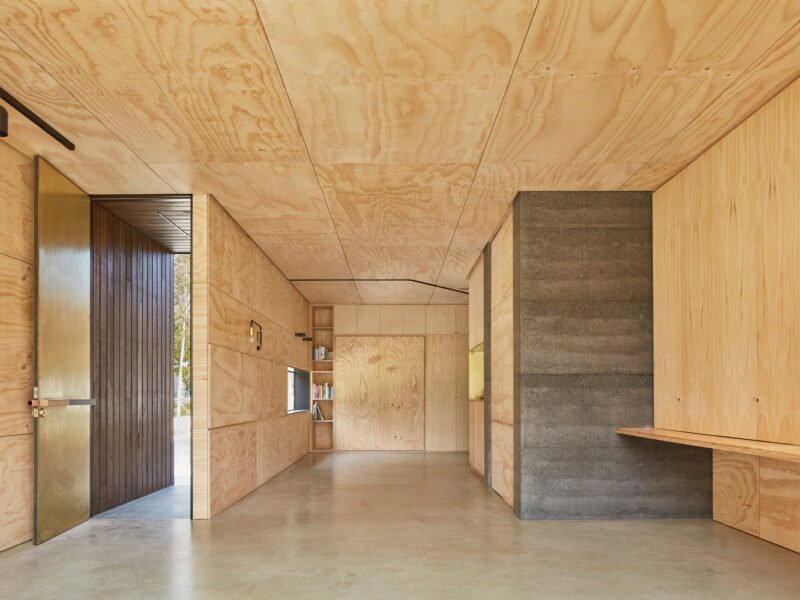
Stone, adobe, and rammed earth are traditional materials with renewed relevance in sustainable construction. When sourced locally, these materials have low transportation emissions and offer excellent thermal mass, helping to regulate indoor temperatures naturally. Clay plasters and bricks are also non-toxic and fully recyclable at the end of their life cycle.
Innovative Green Materials and Technologies
Beyond traditional options, several new materials are pushing the boundaries of sustainable design:
- Hempcrete: Made from hemp fibers and lime, hempcrete is lightweight, highly insulating, and carbon-negative.
- Recycled Steel: Steel made from recycled content reduces mining impacts and is fully recyclable at end of use.
- Low-VOC Paints and Finishes: These products improve indoor air quality by minimizing harmful emissions.
- Green Roof Systems: Living roofs provide insulation, reduce stormwater runoff, and support biodiversity.
Adopting these materials can further reduce a home’s environmental impact and support a healthier indoor environment.
How to Select the Right Sustainable Materials
When evaluating options for your project, consider the following:
- Local Availability: Sourcing materials regionally reduces transportation emissions and supports local economies.
- Durability and Maintenance: Choose products that will last and require minimal upkeep.
- Certifications: Look for independent verification of environmental claims. For guidance, see our article on certifications for green building materials.
- Embodied Carbon: Assess the total greenhouse gas emissions associated with a material’s production, transport, and disposal. Our resource on embodied carbon in construction materials offers more detail.
- Life Cycle Impact: Consider the full life span of each product, from raw material extraction to end-of-life disposal or recycling.
For a step-by-step approach to making informed choices, our guide on how to choose eco friendly materials for building provides practical advice tailored to homeowners and builders alike.
Benefits of Sustainable Construction for Homeowners
Integrating environmentally friendly materials into your home offers several advantages:
- Lower Utility Bills: Improved insulation and energy-efficient products reduce heating and cooling costs.
- Healthier Living Spaces: Non-toxic materials and better air quality contribute to occupant well-being.
- Increased Property Value: Green features are increasingly desirable in the real estate market.
- Reduced Environmental Impact: Lower resource consumption and emissions benefit the planet.
For more information on why eco-friendly building matters, see this overview of eco-friendly construction and its importance.
Frequently Asked Questions
What are the most cost-effective sustainable materials for home construction?
Some of the most affordable options include recycled insulation (such as cellulose), reclaimed wood, and bamboo flooring. These materials are widely available and offer a good balance of performance and sustainability. Costs can vary based on location and availability, but long-term savings from improved efficiency often offset initial investments.
How do I verify if a product is truly sustainable?
Look for third-party certifications such as FSC (Forest Stewardship Council) for wood, Cradle to Cradle, or GreenGuard for indoor air quality. These labels indicate that the material meets recognized environmental and health standards. For a comprehensive overview, see our article on certifications for green building materials.
Can sustainable materials be used in any climate?
Yes, but the best choices depend on local conditions. For example, rammed earth and adobe are ideal for dry, warm climates, while mass timber and high-performance insulation work well in colder regions. Consulting with local builders familiar with green construction can help identify the most suitable materials for your area.