As the construction industry faces growing pressure to minimize environmental impact, the demand for eco friendly commercial building materials is rapidly increasing. Developers, architects, and facility managers are now prioritizing materials that reduce carbon emissions, conserve resources, and promote healthier indoor environments. Choosing sustainable options for large-scale projects not only benefits the planet but can also result in long-term cost savings and improved building performance.
Understanding which materials truly support sustainability goals is essential for any commercial project. This article explores key categories of environmentally responsible materials, their advantages, and practical considerations for integrating them into large developments. For those seeking to ensure compliance and transparency, reviewing certifications for green building materials can provide valuable guidance on recognized standards and product claims.
Why Sustainable Materials Matter in Large-Scale Construction
Commercial buildings account for a significant portion of global resource consumption and greenhouse gas emissions. By selecting environmentally conscious construction products, project teams can help reduce the ecological footprint of new developments and renovations. Benefits include:
- Lower embodied carbon through the use of recycled, renewable, or low-impact materials
- Improved energy efficiency and occupant health
- Enhanced building value and marketability
- Compliance with evolving regulations and green building certifications
For a deeper understanding of the environmental impact of different materials, consider exploring life cycle analysis building materials to measure total impact from production to disposal.
Key Types of Eco-Conscious Materials for Commercial Projects
Selecting the right products for large developments involves balancing performance, cost, and sustainability. Below are some of the most widely adopted categories of eco friendly commercial building materials for offices, retail, hospitality, and institutional projects.
1. Engineered Wood and Mass Timber
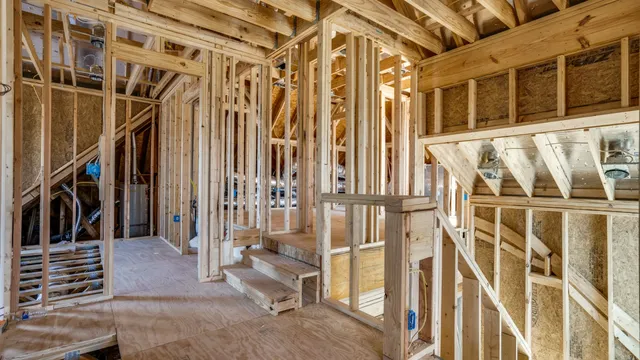
Engineered wood products such as cross-laminated timber (CLT), glulam beams, and laminated veneer lumber offer a renewable alternative to steel and concrete. These materials are manufactured from fast-growing, sustainably harvested wood and can sequester carbon for decades. Mass timber structures are gaining popularity for their strength, design flexibility, and reduced construction timelines.

2. Low-Carbon Concrete Alternatives
Traditional concrete production is a major source of CO2 emissions. Innovative alternatives such as geopolymer concrete, fly ash blends, and recycled aggregate concrete can significantly lower embodied carbon. These products often use industrial byproducts or recycled materials, reducing the need for virgin resources.
For more on the hidden environmental costs of conventional materials, see embodied carbon in construction materials.
3. Natural and Renewable Insulation
Insulation is essential for energy efficiency, but not all products are created equal. Options like cellulose (recycled paper), sheep’s wool, and fiberglass with eco-friendly binders offer high performance with lower environmental impact. These materials are often free of toxic additives and support better indoor air quality.
4. Hempcrete and Plant-Based Blocks
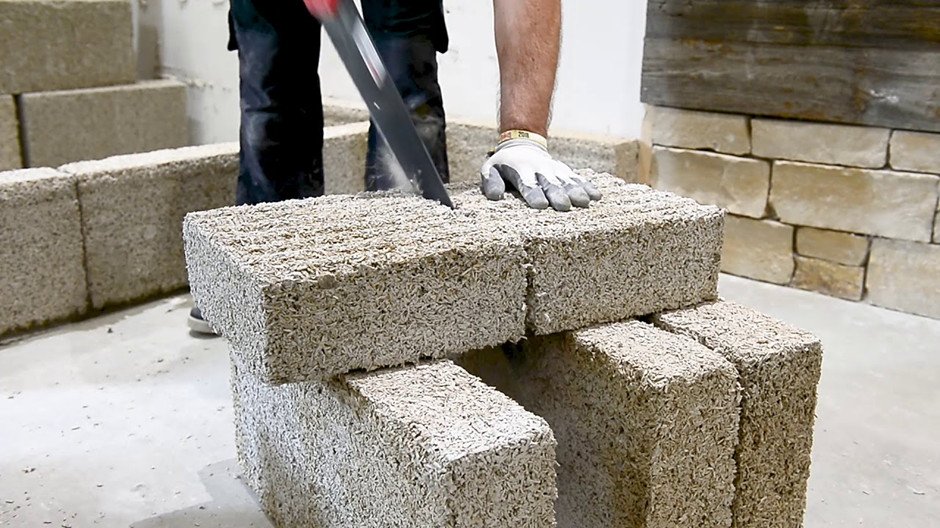
Hempcrete is a bio-composite made from hemp fibers and lime, providing excellent thermal insulation and moisture regulation. It is lightweight, fire-resistant, and absorbs carbon during curing. Plant-based masonry blocks and panels are increasingly used for non-load-bearing walls and insulation layers in commercial projects.
5. Recycled and Upcycled Finishes
Flooring, wall panels, and ceiling tiles made from recycled glass, metal, or plastic divert waste from landfills and reduce demand for new raw materials. Upcycled products, such as reclaimed wood or repurposed bricks, add character and sustainability to commercial interiors.
6. Smart Glass and High-Performance Glazing
Advanced glazing technologies, including electrochromic (smart) glass and triple-glazed windows, help control heat gain and loss, reducing the need for artificial heating and cooling. Many of these products are manufactured with recycled content and are designed for longevity and recyclability.
How to Evaluate and Select Sustainable Materials
With so many options available, it’s important to assess products based on their full environmental profile. Consider the following criteria:
- Resource origin: Is the material rapidly renewable, recycled, or locally sourced?
- Manufacturing impact: Does production minimize emissions, water use, and toxic byproducts?
- Durability and maintenance: Will the material last and require minimal upkeep?
- End-of-life: Can it be recycled, composted, or safely disposed of?
- Certifications: Look for third-party labels such as FSC, Cradle to Cradle, or GREENGUARD to verify claims.
For a comprehensive overview of recognized standards, see eco friendly construction material standards.
Challenges and Considerations for Large Developments
While the benefits of sustainable construction are clear, implementing these solutions at scale can present challenges. Common hurdles include higher upfront costs, supply chain limitations, and the need for specialized expertise. However, many of these obstacles can be addressed through early planning, collaboration with experienced suppliers, and leveraging incentives or green building programs.
It’s also essential to stay informed about evolving technologies and research. For example, a recent study on sustainable construction materials highlights ongoing innovations in low-carbon cement, bio-based composites, and circular economy approaches.
Tips for Integrating Green Materials into Commercial Projects
- Engage sustainability consultants early in the design process
- Prioritize materials with transparent environmental product declarations (EPDs)
- Specify products that meet both performance and sustainability criteria
- Work with contractors and suppliers experienced in green construction
- Educate project stakeholders on the long-term value of sustainable choices
To make informed decisions, review guidance on how to choose eco friendly materials for building that align with your project’s goals and budget.
FAQ: Sustainable Building Materials for Commercial Projects
What are the most impactful eco-friendly materials for large buildings?
Materials with the greatest positive impact typically include mass timber, recycled steel, low-carbon concrete, and natural insulation like cellulose or sheep’s wool. These options reduce embodied carbon, support healthy indoor environments, and often improve energy efficiency.
How can I verify if a material is truly sustainable?
Look for third-party certifications such as FSC for wood, Cradle to Cradle, GREENGUARD, or LEED compliance. Environmental product declarations (EPDs) and transparent supply chain information also help confirm sustainability claims.
Are eco-friendly materials more expensive for commercial projects?
While some sustainable options have higher upfront costs, they often lead to savings through lower energy bills, reduced maintenance, and potential tax incentives. Early integration and bulk purchasing can also help manage costs for large developments.