Choosing eco friendly renovation materials is one of the most effective ways to reduce your home’s environmental impact while creating a healthier, more efficient living space. As sustainability becomes a priority for many homeowners, the demand for green building solutions continues to grow. Whether you’re planning a full remodel or a simple update, selecting the right materials can significantly lower your carbon footprint, improve indoor air quality, and even save on long-term costs.
This guide explores a range of sustainable options for every part of your home, from flooring and insulation to finishes and fixtures. By understanding the benefits and best uses of each material, you can make informed decisions that align with your values and renovation goals. For a deeper dive into the broader landscape of sustainable housing material options, you can explore additional resources on the topic.

Why Choose Sustainable Building Materials?
Opting for environmentally conscious materials in your renovation project offers several advantages:
- Reduced Environmental Impact: Many green products are made from renewable resources, recycled content, or are designed to be recyclable at the end of their life cycle.
- Improved Indoor Air Quality: Low-VOC (volatile organic compound) paints, adhesives, and finishes help minimize harmful emissions inside your home.
- Energy Efficiency: Insulation and windows designed for sustainability can lower energy bills and improve comfort.
- Durability: Many eco-friendly options are engineered to last, reducing the need for frequent replacements.
Understanding the eco friendly construction material standards can help you identify products that meet strict environmental criteria.
Popular Eco Friendly Renovation Materials for Modern Homes
There is a wide variety of sustainable materials available for different renovation needs. Here are some of the most popular and effective choices:
Bamboo: Fast-Growing and Versatile
Bamboo is a highly renewable resource that matures much faster than traditional hardwoods. It’s commonly used for flooring, cabinetry, and even wall coverings. Bamboo products are durable, stylish, and available in a range of finishes. When sourced responsibly, bamboo can be an excellent alternative to conventional wood.

Recycled and Reclaimed Wood
Using reclaimed wood salvaged from old buildings or recycled sources gives new life to materials that would otherwise go to waste. This approach not only preserves forests but also adds character and history to your home. Reclaimed wood is ideal for flooring, beams, accent walls, and furniture.
Natural Stone and Recycled Tile
Natural stone such as slate, granite, or limestone is durable and timeless. For an even greener choice, consider tiles made from recycled glass or ceramic. These products divert waste from landfills and can be used for backsplashes, countertops, and bathrooms.
Insulation and Wall Systems That Prioritize Sustainability
Proper insulation is crucial for energy efficiency and comfort. There are several sustainable options to consider:
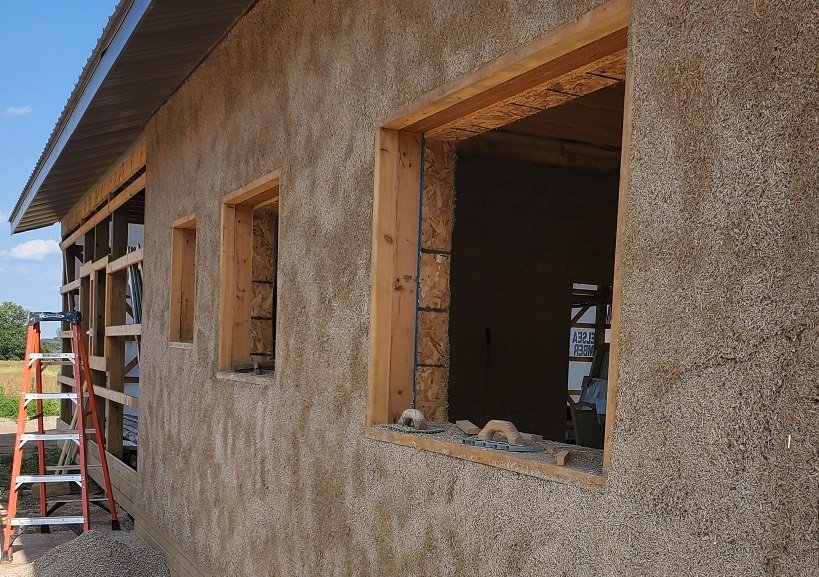
Hempcrete and Plant-Based Insulation
Hempcrete is a bio-composite made from the inner fibers of the hemp plant mixed with lime. It offers excellent thermal performance, is non-toxic, and absorbs carbon dioxide during its curing process. Other plant-based insulations, such as those made from cotton, wool, or cellulose, are also effective and safe for indoor air quality.
Recycled Fiberglass and Cellulose
Fiberglass insulation made with recycled glass and cellulose insulation derived from recycled paper are both effective at reducing energy loss. These materials are widely available and often more affordable than some newer eco-friendly alternatives.
To better understand the overall impact of these products, consider reviewing a life cycle analysis of building materials to measure their total environmental footprint.
Low-Impact Paints, Finishes, and Adhesives
Traditional paints and finishes can release harmful chemicals into your home. Choosing low-VOC or zero-VOC products helps maintain healthy indoor air and reduces environmental harm. Look for adhesives and sealants that are water-based and certified for low emissions.
For more information on how to identify truly green products, consult guides on certifications for green building materials.
Other Innovative Green Materials
- Cork: Harvested from the bark of cork oak trees without harming the tree, cork is a renewable and biodegradable material perfect for flooring and wall tiles.
- Recycled Metal: Aluminum and steel can be recycled repeatedly without losing quality, making them ideal for roofing, siding, and fixtures.
- Eco-Friendly Concrete Alternatives: Products like fly ash concrete or those incorporating recycled aggregates reduce the carbon footprint associated with traditional cement.
For a comprehensive look at the environmental impact of various construction materials, including hidden emissions, explore resources on embodied carbon in construction materials.
How to Select the Best Green Materials for Your Project
When evaluating options for your renovation, consider the following:
- Source and Manufacturing: Choose products made from rapidly renewable resources or recycled content, and those manufactured with minimal environmental impact.
- Certifications: Look for third-party certifications such as FSC (Forest Stewardship Council), GreenGuard, or Cradle to Cradle, which verify sustainability claims.
- Local Availability: Sourcing materials locally reduces transportation emissions and supports regional economies.
- Durability and Maintenance: Select materials that are long-lasting and require minimal upkeep to avoid frequent replacements.
For a detailed overview of the advantages of sustainable construction products, you can read about the benefits of eco-friendly construction materials.
Frequently Asked Questions
What are the most affordable eco-friendly materials for home renovations?
Some of the most budget-friendly sustainable options include recycled cellulose insulation, reclaimed wood, and low-VOC paints. These products are often competitively priced compared to their conventional counterparts and can be sourced locally to save on transportation costs.
How do I know if a material is truly sustainable?
Look for recognized certifications, such as FSC for wood or GreenGuard for low-emission products. Research the manufacturer’s sourcing and production practices, and consult resources on certifications for green building materials to verify claims.
Can eco-friendly materials improve my home’s energy efficiency?
Yes, many green products such as high-performance insulation, energy-efficient windows, and reflective roofing materials can significantly reduce energy consumption and improve comfort throughout the year.
Conclusion
Adopting eco friendly renovation materials is a practical step toward a healthier, more sustainable home. With a growing range of options for every budget and style, it’s easier than ever to make choices that benefit both your living environment and the planet. By prioritizing renewable resources, recycled content, and low-impact manufacturing, you can create a space that’s beautiful, efficient, and future-ready.