Straw bale building methods are gaining renewed attention for their impressive performance as a sustainable, high-insulation wall system. As energy efficiency and eco-friendly construction become more important, understanding the straw bale construction benefits can help homeowners, builders, and architects make informed choices for both new builds and renovations. This article explores the core advantages of straw bale walls, including their superior insulation, environmental impact, and practical considerations for modern projects.
Natural materials like straw are not only abundant and renewable, but also offer unique properties that set them apart from conventional building products. While some may associate straw bale structures with rustic or experimental designs, today’s techniques have evolved to meet modern standards for comfort, durability, and safety. For those interested in broader sustainable building options, you may also want to explore biodegradable building materials for a comprehensive view of green construction trends.
How Straw Bale Walls Provide Exceptional Insulation
One of the most significant advantages of straw bale construction is its outstanding thermal performance. Straw bales, when properly stacked and plastered, create thick walls with a high R-value—a measure of insulation effectiveness. Typical straw bale walls can achieve R-values between R-30 and R-35, and sometimes higher, depending on bale density and wall thickness. This far exceeds the insulation provided by standard wood-frame walls, which often range from R-13 to R-21.
The secret lies in the trapped air pockets within the straw, which slow down heat transfer. As a result, buildings stay warmer in winter and cooler in summer, reducing the need for mechanical heating and cooling. This translates to lower energy bills and a smaller carbon footprint over the building’s lifetime.
Environmental Impact and Sustainability
Choosing straw as a building material offers clear environmental benefits. Straw is an agricultural byproduct, typically left over after harvesting grains like wheat, rice, or oats. Instead of burning or discarding it, using straw for construction puts this renewable resource to productive use. This reduces waste and supports a more circular approach to building.
Compared to conventional insulation materials such as fiberglass or foam, straw bales require minimal processing and have a much lower embodied energy. They do not rely on petrochemicals or intensive manufacturing. Additionally, straw is biodegradable at the end of its useful life, contributing to a healthier lifecycle for the building.
For those interested in exploring other eco-friendly options, check out our overview of renewable construction materials to see how straw compares with bamboo, hempcrete, and other green alternatives.
Cost Savings and Affordability
Another key reason for the growing popularity of straw bale building is its potential for cost savings. Straw bales are often inexpensive, especially in regions where grain farming is common. The thick walls not only reduce heating and cooling costs, but can also lower the need for additional insulation layers or complex wall assemblies.
Labor costs may vary depending on whether you choose a load-bearing (Nebraska style) or infill (post-and-beam) approach, but many owner-builders find that straw bale projects allow for significant DIY involvement. This can further reduce expenses, making it an accessible option for those seeking affordable, sustainable housing.
Fire Resistance and Safety Considerations
It may seem counterintuitive, but properly constructed straw bale walls are highly fire-resistant. When tightly packed and covered with plaster (such as lime or clay), the bales contain very little oxygen, which limits combustion. Tests have shown that straw bale walls can outperform conventional wood-frame walls in fire resistance.
In addition to fire safety, straw bale walls offer good sound insulation, creating quiet and comfortable indoor environments. The thick, dense walls block outside noise, making them ideal for homes in busy or noisy areas.
Moisture Management and Durability
Concerns about moisture are common with natural materials, but modern straw bale construction addresses these issues through careful design and detailing. Plastered straw bale walls are highly breathable, allowing moisture to escape and reducing the risk of mold or rot. Overhangs, raised foundations, and proper flashing are essential to keep bales dry and ensure long-term durability.
With appropriate maintenance and attention to detail, straw bale buildings can last for decades, even in challenging climates. For those interested in further innovations in sustainable construction, our article on green concrete materials explores additional ways to build for the future.
Comparing Straw Bale to Other Natural Insulation Materials
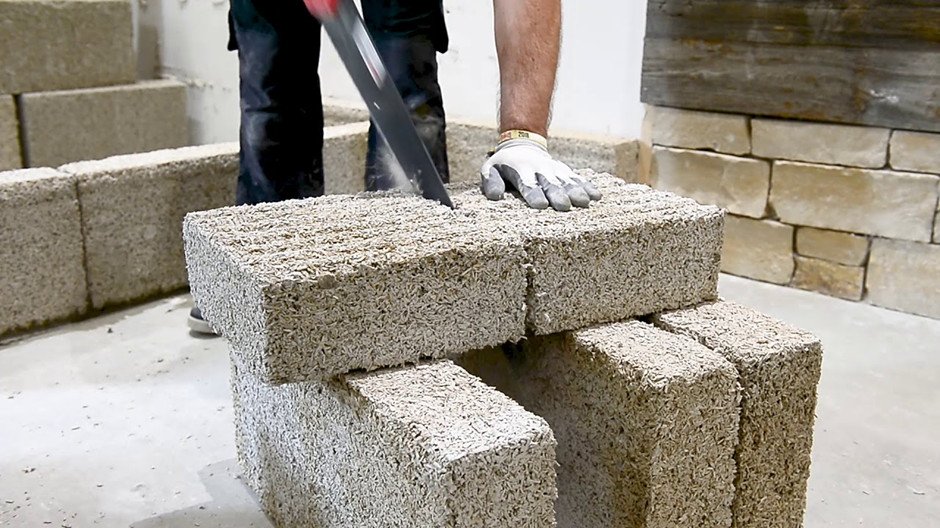
When evaluating different eco-friendly insulation options, straw bale stands out for its combination of performance, cost, and environmental impact. While materials like hempcrete, sheep’s wool, and cellulose insulation each have their own strengths, straw bales offer a unique blend of high R-value, local availability, and low embodied energy.
For those interested in alternatives, sustainable concrete alternatives and eco friendly cement alternatives provide further insight into how natural materials can replace conventional products in modern construction.
Design Flexibility and Aesthetic Appeal
Straw bale walls are not limited to a single architectural style. They can be finished with natural plasters for a rustic look or integrated into contemporary designs with crisp lines and modern finishes. The thick walls create deep window sills and a sense of solidity, while the natural textures of earth or lime plaster add warmth and character to any space.
Builders and designers appreciate the flexibility straw bale offers, whether for small cottages, family homes, or even commercial buildings. The method can be adapted to various climates and building codes, making it a versatile choice for sustainable projects.
Research and Further Reading
Ongoing research continues to validate the performance and safety of straw bale construction. For a deeper dive into recent scientific findings, see this peer-reviewed study on the thermal and environmental performance of straw bale walls. The evidence consistently supports the use of straw bales as a high-performance, low-impact building solution.
Frequently Asked Questions
Are Straw Bale Homes Durable Over Time?
Yes, when properly designed and maintained, straw bale buildings can last for many decades. Key factors include keeping the bales dry, using breathable plasters, and ensuring good roof overhangs and foundation details to prevent water intrusion.
How Do Straw Bale Walls Compare to Conventional Insulation?
Straw bale walls typically offer much higher insulation values than standard wood-frame walls with fiberglass or foam insulation. The thick, dense structure of straw bales slows heat transfer and helps maintain stable indoor temperatures year-round.
Is Straw Bale Construction Allowed by Building Codes?
Many regions now recognize straw bale as a legitimate building method, and some have specific codes or guidelines for its use. It’s important to consult local authorities and work with experienced professionals to ensure compliance with all regulations.
Conclusion
The use of straw bales in construction delivers a compelling mix of high-grade insulation, environmental responsibility, and affordability. As more builders and homeowners seek out sustainable solutions, straw bale walls stand out for their performance and versatility. By embracing natural materials and proven building science, it’s possible to create comfortable, energy-efficient spaces that are both beautiful and environmentally sound.