Improving your home’s energy efficiency is one of the most effective ways to reduce utility bills and minimize your environmental impact. Choosing eco friendly insulation materials is a practical step toward a more sustainable and comfortable living space. These options not only help maintain indoor temperatures but also contribute to healthier indoor air quality and support responsible resource use.
As demand grows for greener building solutions, homeowners and builders are turning to natural and recycled materials that offer excellent thermal performance without the drawbacks of traditional insulation. Whether you’re renovating, building new, or simply looking to upgrade, understanding the different types of sustainable insulation can help you make informed decisions for your home.
For those interested in natural building techniques, exploring the straw bale construction benefits can provide valuable insights into high-grade, renewable insulation options. This method, along with others like hempcrete and bamboo, is gaining popularity for its efficiency and low environmental footprint.
Why Choose Sustainable Insulation Options?
Traditional insulation materials, such as fiberglass and foam, often contain chemicals and require significant energy to produce. In contrast, eco friendly insulation materials are made from renewable, recycled, or non-toxic resources. Here are some compelling reasons to consider these alternatives:
- Lower environmental impact: Many green insulation products use less energy to manufacture and generate fewer emissions.
- Improved indoor air quality: Natural materials typically emit fewer volatile organic compounds (VOCs), making your home healthier.
- Renewable and recycled content: These options often utilize rapidly renewable resources or repurpose waste materials.
- Energy savings: High-performance insulation keeps your home warmer in winter and cooler in summer, reducing heating and cooling needs.
Popular Types of Eco Friendly Insulation Materials
There is a growing variety of sustainable insulation products on the market. Each type has unique benefits, making it important to match the material to your climate, budget, and building needs.
Cellulose Insulation
Cellulose is made primarily from recycled paper products, such as newsprint. It is treated with non-toxic fire retardants and offers excellent thermal and sound insulation. Cellulose is often blown into wall cavities or attics, filling gaps and reducing air leaks. Its high recycled content and low embodied energy make it a favorite among environmentally conscious homeowners.
Sheep’s Wool
Sheep’s wool is a natural, renewable resource that insulates effectively while regulating humidity. Wool fibers can absorb and release moisture without losing their insulating properties. This material is safe to handle, biodegradable, and provides good resistance to fire and pests. Wool insulation is ideal for those seeking a healthy, chemical-free home environment.
Cotton (Denim) Batts
Recycled cotton insulation, often made from denim scraps, is another sustainable choice. It is non-toxic, easy to install, and provides similar thermal performance to fiberglass. Cotton batts are particularly attractive for DIY projects and for those sensitive to traditional insulation fibers.
Bamboo and Other Plant-Based Insulation
Bamboo is a rapidly renewable resource with impressive strength and insulating properties. While more commonly used for flooring and structural elements, bamboo fibers are increasingly being incorporated into insulation products. For more on the advantages of this material, see the bamboo construction materials advantages article.
Hemp Insulation
Hemp insulation is made from the woody core of the hemp plant. It is naturally resistant to pests, mold, and moisture, and offers solid thermal and acoustic performance. Hemp products are biodegradable and have a low carbon footprint. To understand more about the energy-saving potential of hemp-based materials, check out this resource on hempcrete building material uses.
Straw Bale
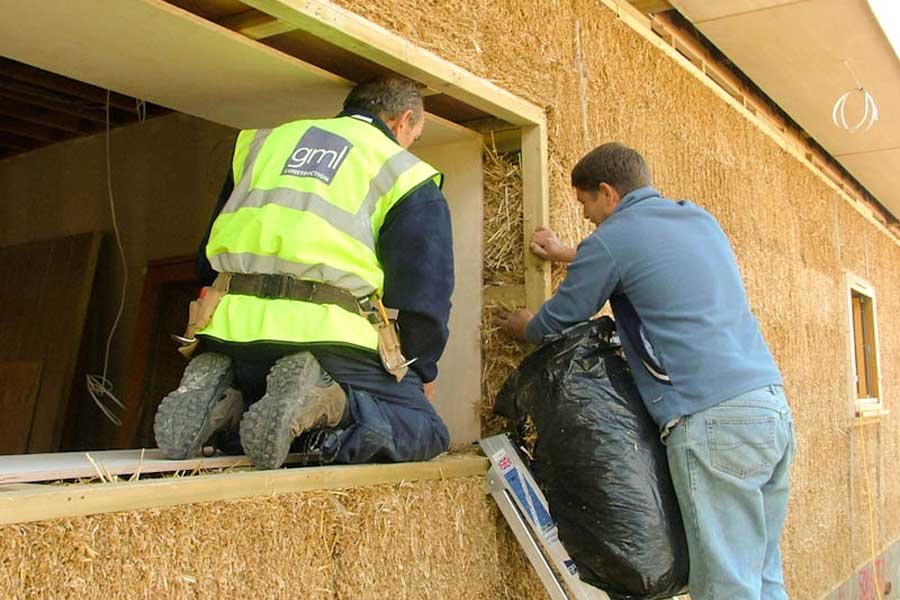
Straw bales provide thick, highly insulating walls and are used in both traditional and modern construction. They are renewable, affordable, and offer excellent thermal mass. Straw bale homes can be remarkably energy efficient, especially when combined with natural plasters. For a deeper dive, refer to the earlier link on straw bale construction.
Recycled Fiberglass
While conventional fiberglass insulation is energy-intensive to produce, some manufacturers now offer products made with significant recycled glass content. These options reduce waste and lower the embodied energy of the material. Always look for products labeled as formaldehyde-free and with high post-consumer recycled content for the most sustainable choice.
How to Select the Right Green Insulation for Your Home
Choosing the best sustainable insulation depends on several factors:
- Climate: Some materials perform better in damp or cold environments, while others excel in hot, dry climates.
- Budget: Natural and recycled insulations can vary in cost. Consider both upfront expenses and long-term energy savings.
- Installation method: Some products are suitable for DIY installation, while others require professional handling.
- Health and safety: If you have allergies or chemical sensitivities, prioritize non-toxic, natural materials.
- Building codes: Check local regulations to ensure your chosen material meets safety and performance standards.
Consulting with a green building expert or contractor can help you weigh the pros and cons of each option and ensure proper installation for maximum efficiency.
Other Considerations for Sustainable Home Insulation
Beyond the material itself, installation quality and building design play a crucial role in overall efficiency. Properly sealing gaps, addressing thermal bridges, and ensuring adequate ventilation will maximize the benefits of your chosen insulation. Pairing insulation with other green building techniques, such as rammed earth construction technique or natural clay plasters, can further enhance your home’s sustainability.
When researching products, look for third-party certifications such as GREENGUARD, Cradle to Cradle, or FSC for wood-based materials. These labels indicate that a product meets strict environmental and health criteria.
To explore more about sustainable construction, you can read about clay building materials benefits for temperature and moisture regulation in homes.
Resources for Further Learning
For a broader perspective on sustainable construction, the article eco-friendly materials in sustainable construction offers a comprehensive overview of green building materials and their benefits.
Frequently Asked Questions
What is the most sustainable insulation material?
The most sustainable insulation depends on your location and needs. Materials like cellulose, sheep’s wool, hemp, and straw bales are all highly regarded for their low environmental impact and excellent performance. Each has unique advantages in terms of renewability, recyclability, and health safety.
Are eco friendly insulation materials more expensive than traditional options?
Some sustainable insulation products may have a higher upfront cost, but they often deliver long-term savings through improved energy efficiency and durability. Additionally, many green materials are becoming more affordable as demand and production scale increase.
Can I install green insulation myself?
Many types of eco insulation, such as cotton batts or blown-in cellulose, are suitable for DIY installation. However, some materials, like straw bales or spray-applied products, may require professional expertise to ensure proper performance and safety.