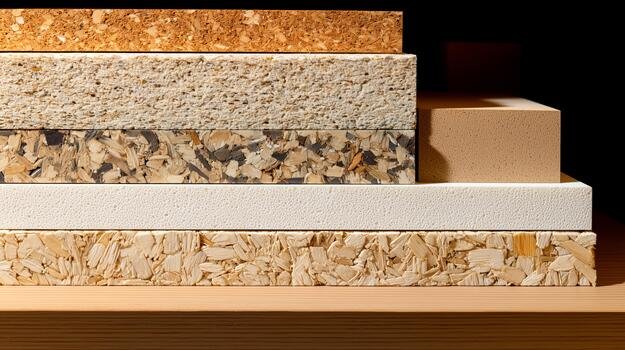
Reclaimed wood in construction has become a defining trend for architects, builders, and homeowners seeking eco-friendly materials that offer both environmental benefits and unique visual appeal. By giving new life to timber salvaged from old barns, factories, warehouses, and even shipping pallets, this approach reduces waste and preserves the rich textures and stories embedded in each piece of wood. As sustainable building practices gain momentum, repurposed timber stands out for its blend of character, durability, and responsible sourcing.
Choosing materials that are both attractive and environmentally conscious is a growing priority in modern building. For those interested in exploring other natural and eco-friendly options, resources like natural insulation materials for homes can help you create healthier, more sustainable living spaces.
What Is Reclaimed Wood and Why Use It?
Repurposed timber refers to lumber that has been salvaged from previous uses and reprocessed for new building projects. This can include beams, planks, flooring, and paneling sourced from deconstructed buildings, old shipping containers, or even riverbeds. The process of reclaiming wood typically involves cleaning, de-nailing, and milling the material to prepare it for modern applications.
There are several compelling reasons to choose this material for your next project:
- Environmental Impact: Using salvaged timber reduces demand for newly harvested lumber, helping to conserve forests and lower carbon emissions associated with logging and processing.
- Unique Aesthetics: Each piece of repurposed wood carries a distinct patina, grain pattern, and history, adding a sense of authenticity and warmth to interiors and exteriors.
- Durability: Older timber often comes from slow-growth trees, making it denser and more stable than many modern alternatives.
- Waste Reduction: By diverting usable wood from landfills, this practice supports a circular economy and minimizes construction waste.
Applications of Reclaimed Wood in Modern Construction
Builders and designers incorporate reclaimed wood in construction across a wide range of applications, from structural elements to decorative finishes. Here are some of the most popular uses:
- Flooring: Salvaged planks provide a rustic, timeworn look that’s impossible to replicate with new materials.
- Wall Paneling: Accent walls made from old barn boards or factory flooring add texture and depth to residential and commercial spaces.
- Ceiling Beams: Exposed beams crafted from reclaimed timber bring architectural interest and a sense of history to open-plan interiors.
- Furniture: Tables, shelves, and cabinetry made from repurposed wood are both sturdy and visually striking.
- Exterior Cladding: Weathered boards can be used for siding, offering durability and a distinctive appearance that weathers beautifully over time.

Benefits of Using Salvaged Timber for Sustainable Building
Integrating reclaimed wood in construction projects delivers a range of benefits that extend beyond aesthetics. Here’s how this material supports sustainable development and high-performance buildings:
- Resource Conservation: By reusing existing materials, builders help preserve forests and reduce the environmental footprint of new construction.
- Reduced Carbon Footprint: Salvaged wood requires less energy to process than newly milled lumber, resulting in lower greenhouse gas emissions.
- Improved Indoor Air Quality: Many older timbers have already off-gassed any volatile organic compounds (VOCs), making them a healthier choice for indoor environments.
- LEED and Green Building Credits: Projects that incorporate recycled content can earn points toward certifications such as LEED, helping to demonstrate a commitment to sustainability.
- Longevity and Strength: Well-preserved reclaimed wood is often more stable and less prone to warping or shrinking than new softwoods.
For those interested in exploring other eco-friendly building techniques, consider learning about hempcrete building material uses or the rammed earth construction technique for additional ways to reduce your project’s environmental impact.
Challenges and Considerations When Sourcing Reclaimed Wood
While the advantages are clear, working with salvaged timber does come with some challenges. Here are a few factors to keep in mind:
- Quality and Condition: Not all reclaimed wood is suitable for structural use. It’s important to inspect for rot, insect damage, or excessive wear.
- Processing Requirements: Preparing salvaged lumber often involves removing nails, bolts, or other hardware, as well as planing and finishing the wood for modern standards.
- Cost: While using recycled materials can sometimes save money, high demand and the labor involved in processing can make certain types of reclaimed wood more expensive than new lumber.
- Supply Consistency: Because each batch is unique, sourcing large quantities of matching material can be a challenge for bigger projects.
- Certification: For projects seeking green building credits, documentation of the wood’s origin and processing may be required.
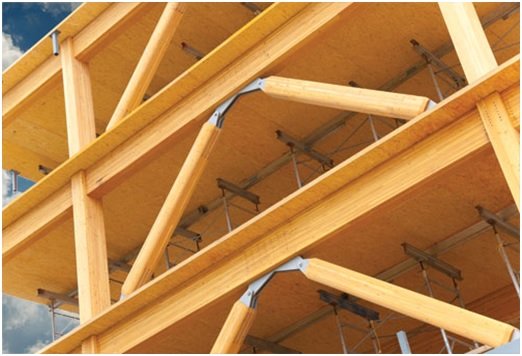
How to Source and Work with Reclaimed Wood Responsibly
To ensure your project benefits from the full potential of salvaged timber, follow these best practices:
- Buy from Reputable Suppliers: Choose vendors who specialize in reclaimed materials and can provide information about the wood’s origin and treatment.
- Inspect Carefully: Always check for structural integrity, signs of pests, and moisture content before purchasing or installing.
- Plan for Variability: Embrace the natural differences in color, grain, and texture that come with repurposed wood. Design your project to highlight these features rather than hide them.
- Use Proper Finishes: Select non-toxic, low-VOC finishes to maintain the sustainability of your project and protect indoor air quality.
- Document Materials: For green building certifications, keep records of your sourcing and processing steps.
For additional ideas on eco-friendly building materials, you might explore bamboo construction materials advantages or clay building materials benefits to further enhance your project’s sustainability profile.
Comparing Reclaimed Wood to Other Sustainable Materials
While reclaimed wood in construction offers a unique blend of sustainability and style, it’s just one of several options available to eco-conscious builders. Materials like bamboo, hempcrete, and clay each bring their own strengths to the table. For example, bamboo is prized for its rapid renewability and strength, while hempcrete provides excellent insulation and moisture regulation. Clay, on the other hand, offers natural temperature control and is non-toxic.
To learn more about how these materials compare, check out resources on sustainable building materials and their environmental impact. By understanding the advantages and limitations of each option, you can make informed choices that align with your project’s goals and values.
Frequently Asked Questions
Is reclaimed wood safe for use in homes?
Yes, when properly sourced and treated, reclaimed wood is safe for residential use. It’s important to ensure the wood is free from pests, rot, and hazardous chemicals. Many suppliers clean and kiln-dry the wood to eliminate contaminants, making it suitable for flooring, paneling, and furniture.
Does using reclaimed wood help the environment?
Absolutely. By reusing existing timber, you reduce demand for new lumber, conserve forests, and prevent usable materials from ending up in landfills. The process also typically requires less energy than producing new wood products, resulting in a lower carbon footprint.
How can I tell if reclaimed wood is high quality?
Look for wood that is structurally sound, free from excessive cracks, rot, or insect damage. Reputable suppliers will provide information about the wood’s origin and may offer certification. Inspect the wood in person when possible, and ask about any treatments or finishes applied to ensure it meets your needs.