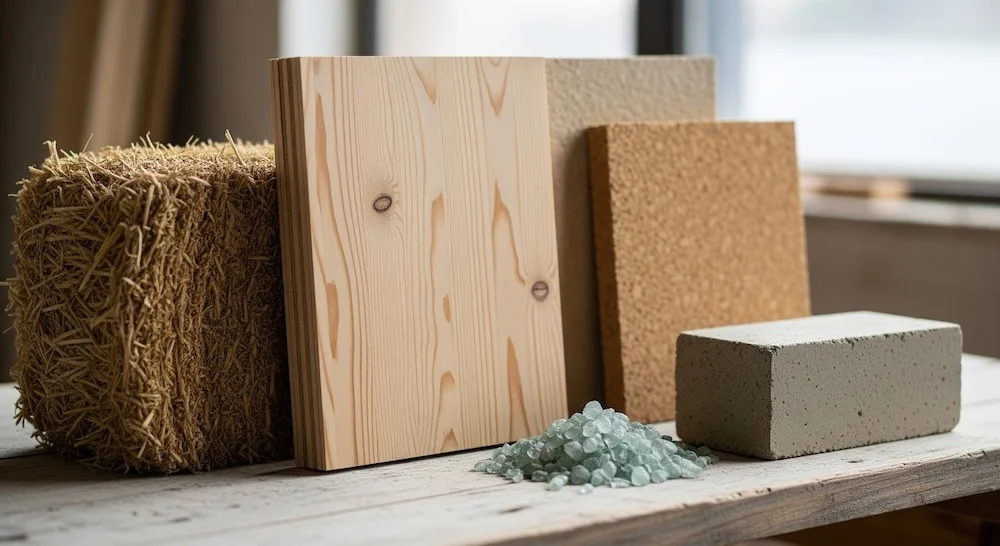
Hemp insulation uses are gaining traction among architects, contractors, and eco-conscious homeowners seeking sustainable alternatives to conventional building materials. As the demand for greener construction solutions grows, hemp-based insulation stands out for its impressive thermal performance, low environmental impact, and versatility in both new builds and retrofits. This article explores the many ways hemp insulation can be integrated into modern construction, its unique benefits, and how it compares to other natural and synthetic options.
With the building industry under increasing pressure to reduce carbon emissions and promote healthier indoor environments, materials like hemp are becoming essential for those committed to sustainable development. In addition to its energy-saving properties, hemp insulation is non-toxic, renewable, and supports a circular economy.
For those interested in exploring other eco-friendly insulation options, our guide on natural insulation materials for homes offers a comprehensive overview of alternatives that keep your indoor air clean and your energy bills low.
What Is Hemp Insulation and How Is It Made?
Hemp insulation is produced from the woody core and fibers of the industrial hemp plant. These fibers are processed into mats, batts, or loose-fill forms, often combined with a small percentage of polyester or other natural binders to enhance durability and flexibility. The result is a lightweight, breathable, and highly effective insulating material suitable for a wide range of building applications.
Unlike traditional insulation materials that may rely on petrochemicals or energy-intensive manufacturing, hemp insulation is derived from a fast-growing, low-input crop. Hemp cultivation requires minimal pesticides, enriches the soil, and sequesters significant amounts of carbon dioxide during its growth cycle, making it a truly sustainable resource.
Key Applications for Hemp-Based Insulation
There are numerous hemp insulation uses across residential, commercial, and industrial construction. Its natural properties make it especially appealing for green builders and those seeking to minimize their environmental footprint.
- Wall Cavities: Hemp batts and mats are commonly installed between wall studs in both timber and steel-framed buildings, providing excellent thermal and acoustic insulation.
- Roof and Attic Spaces: Due to its breathability and resistance to mold, hemp insulation is ideal for attics and roof spaces, helping regulate indoor temperatures year-round.
- Floor Insulation: Hemp can be used beneath floorboards or in suspended floors to reduce heat loss and dampen sound transmission between levels.
- Internal Partitions: Its sound-absorbing qualities make hemp a smart choice for interior walls in homes, offices, and schools.
- Retrofit Projects: Flexible hemp insulation can be fitted into existing structures, making it suitable for upgrading older buildings to modern energy standards.
Comparing Hemp to Other Eco-Friendly Insulation Materials
When evaluating hemp insulation uses against other sustainable options, several factors come into play: thermal resistance (R-value), moisture management, fire resistance, and overall environmental impact. Hemp performs well in each of these categories, but it’s helpful to see how it stacks up against alternatives:
| Material | Thermal Performance | Moisture Handling | Fire Resistance | Eco Impact |
|---|---|---|---|---|
| Hemp | Good (R-value ~3.5-4.0/inch) | Highly breathable, resists mold | Often treated for fire safety | Low embodied energy, renewable |
| Sheep wool | Good (R-value ~3.5-4.0/inch) | Excellent moisture regulation | Natural flame resistance | Renewable, biodegradable |
| Cotton (Denim) | Moderate (R-value ~3.5/inch) | Absorbs moisture, can mold | Requires fire retardants | Recycled content, but energy intensive |
| Fiberglass | Good (R-value ~3.0-4.0/inch) | Does not absorb moisture | Non-combustible | High embodied energy |
| Mineral Wool | Excellent (R-value ~4.0-4.3/inch) | Water resistant | Non-combustible | Energy intensive production |
For a broader look at sustainable construction materials, see this comprehensive overview of sustainable building materials.
Advantages of Choosing Hemp for Insulation
There are several compelling reasons why green builders are turning to hemp-based insulation:
- Thermal Efficiency: Hemp offers a competitive R-value, helping to keep interiors comfortable and reduce heating and cooling costs.
- Moisture Regulation: Its natural breathability allows vapor to pass through, reducing condensation and the risk of mold growth.
- Sound Absorption: The fibrous structure of hemp dampens noise, making it ideal for both external and internal walls.
- Non-Toxic: Unlike some synthetic insulations, hemp does not off-gas harmful chemicals, supporting healthier indoor air quality.
- Renewable & Biodegradable: Hemp is rapidly renewable and fully biodegradable at end of life, minimizing landfill waste.
- Carbon Sequestration: Hemp crops absorb CO2 as they grow, offsetting some of the emissions associated with construction.
Challenges and Considerations When Using Hemp Insulation
While the benefits are significant, there are a few challenges to consider before specifying hemp for your next project:
- Availability: Depending on your region, hemp insulation may not be as widely stocked as mainstream options like fiberglass or mineral wool.
- Cost: Initial costs can be higher than conventional materials, though this is often offset by long-term energy savings and health benefits.
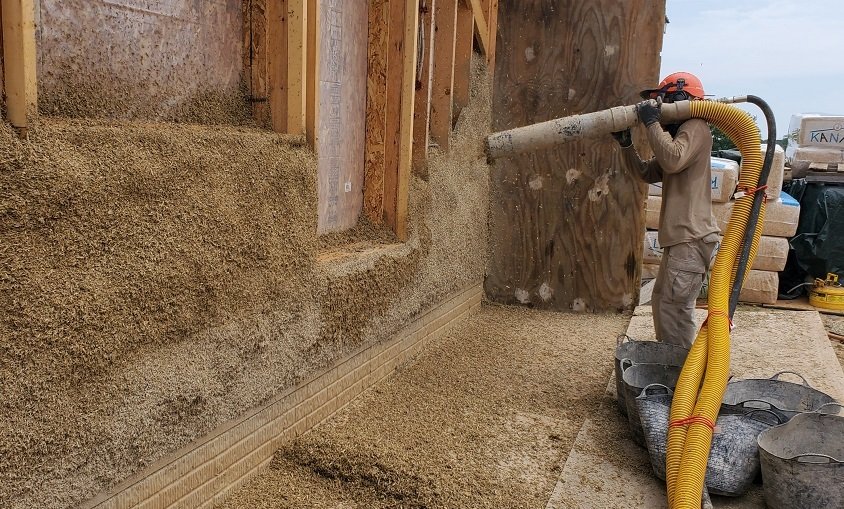
- Installation: Hemp batts are easy to handle, but proper installation is key to maximizing performance. Gaps or compression can reduce effectiveness.
- Fire Treatment: Most hemp insulation is treated with natural fire retardants, but always check certifications to ensure compliance with local codes.
For those interested in other reclaimed or recycled materials, our article on reclaimed wood in construction highlights additional ways to build sustainably with character and style.
Integrating Hemp Insulation Into Your Building Project
Whether you’re constructing a new home, renovating an existing property, or upgrading a commercial space, hemp insulation can be incorporated at various stages:
- New Construction: Specify hemp insulation during the design phase for walls, roofs, and floors to maximize energy efficiency from the start.
- Retrofit & Renovation: Flexible hemp batts can be cut to fit irregular spaces, making them suitable for older buildings with unique dimensions.
- Hybrid Systems: Combine hemp with other natural or recycled materials, such as recycled steel building materials, for a comprehensive green building strategy.
Hemp insulation is compatible with most standard framing systems and can be installed using common tools. Always follow manufacturer guidelines and consult with professionals to ensure optimal results.
Frequently Asked Questions
Is hemp insulation safe for people with allergies or sensitivities?
Yes, hemp insulation is naturally hypoallergenic and does not contain the irritating fibers or chemical additives found in some synthetic materials. It is a suitable choice for those with respiratory sensitivities or allergies.
How does hemp insulation perform in humid or damp environments?
Hemp’s breathability allows it to manage moisture effectively, reducing the risk of mold and mildew. However, it should not be used in areas with persistent water exposure or flooding. Proper vapor barriers and installation are recommended in high-humidity climates.
Can hemp insulation be recycled or composted at the end of its life?
Most hemp insulation products are fully biodegradable and can be composted, provided they do not contain synthetic binders. Always check with the manufacturer regarding end-of-life disposal options.
Conclusion
Hemp insulation stands out as a practical, versatile, and environmentally responsible choice for today’s green building projects. Its combination of thermal efficiency, breathability, and renewability makes it an attractive alternative to conventional materials. As awareness and availability continue to grow, hemp is poised to play a significant role in the future of sustainable construction. For more information on eco-friendly insulation, see our guide to eco friendly insulation materials and discover how you can make your next project healthier and more energy efficient.