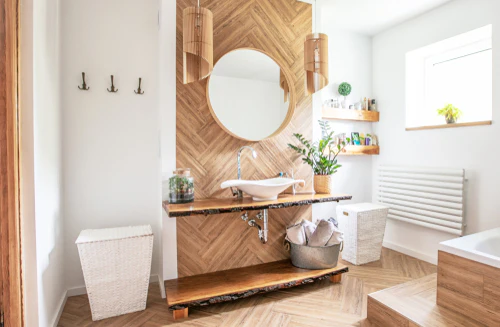
Vinyl flooring is a popular choice for bathrooms due to its durability, water resistance, and ease of maintenance. However, even with these advantages, protecting your subfloor from moisture is crucial. A moisture barrier under vinyl bathroom flooring acts as a critical layer, preventing water from seeping into the subfloor and causing long-term damage such as mold, mildew, or warping. Whether you are renovating your bathroom or installing new floors, understanding the role of a moisture barrier can help ensure your investment lasts for years.
Before diving into the types and installation methods, it’s helpful to review the basics of bathroom flooring. For a comprehensive overview, see the bathroom flooring buyer’s guide for homeowners, which covers materials, durability, and design considerations.
Why a Moisture Barrier Matters for Bathroom Vinyl Floors
Bathrooms are high-moisture environments. Daily activities like showering and bathing generate steam and splashes, which can penetrate even the most water-resistant flooring. Without a proper moisture barrier under vinyl bathroom flooring, water can seep through seams or edges, eventually reaching the subfloor. Over time, this can lead to:
- Mold and mildew growth beneath the floor
- Subfloor rot or warping, especially with wood or particleboard
- Unpleasant odors and potential health hazards
- Shortened lifespan of your vinyl flooring
Installing a moisture barrier is a proactive step that protects both your flooring and the structure beneath it. This is especially important in bathrooms where water exposure is frequent and sometimes unavoidable.
Types of Moisture Barriers for Vinyl Bathroom Floors
There are several types of moisture barriers suitable for use beneath vinyl flooring in bathrooms. The right choice depends on your subfloor material and the specific vinyl product you plan to install.
- Plastic Sheeting (Polyethylene Film): A common and cost-effective option, this thin plastic layer is rolled out over the subfloor before the vinyl is installed. It acts as a vapor barrier, blocking moisture from rising up.
- Foam Underlayment with Integrated Barrier: Some underlayments combine cushioning with a built-in moisture barrier, providing both comfort and protection.
- Liquid Waterproofing Membranes: These are painted or rolled onto the subfloor, creating a seamless, waterproof layer. They are especially useful for irregular or uneven surfaces.
- Self-Adhesive Membranes: These peel-and-stick sheets offer strong adhesion and are ideal for areas prone to heavy moisture exposure.
Always check the manufacturer’s recommendations for your specific vinyl flooring, as some products come with attached underlayment or may require a particular type of barrier.
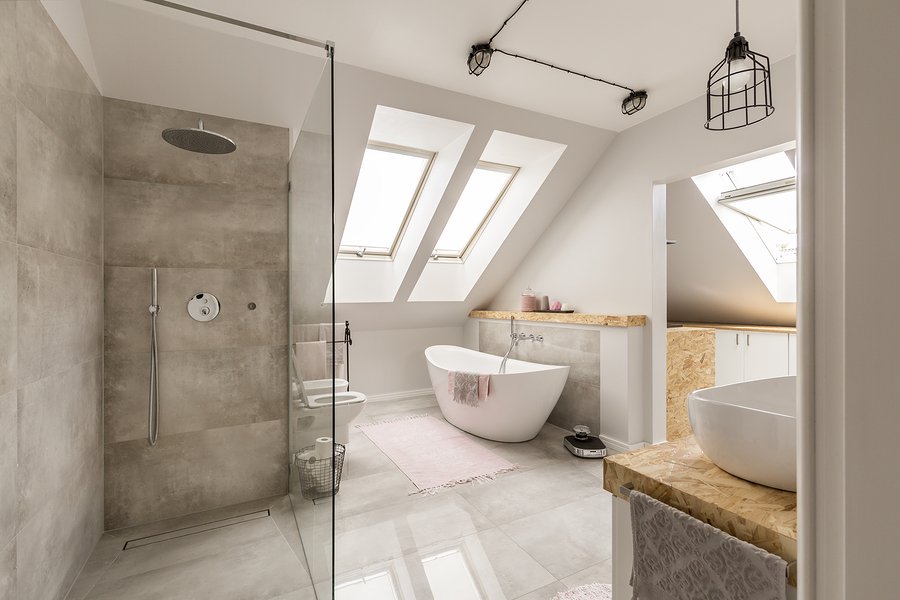
How to Install a Moisture Barrier Beneath Vinyl Flooring
Proper installation is key to ensuring your moisture barrier performs as intended. Here’s a step-by-step overview:
- Prepare the Subfloor: Clean the surface thoroughly, removing dust, debris, and any old adhesive. The subfloor should be dry, level, and free of damage.
- Lay Out the Barrier: For plastic sheeting, roll it out so it covers the entire floor area, overlapping seams by at least 6 inches. Extend the barrier a few inches up the wall for added protection.
- Seal Seams and Edges: Use waterproof tape to seal any overlaps or gaps. For liquid membranes, apply according to the manufacturer’s instructions, ensuring full coverage.
- Install the Vinyl Flooring: Once the barrier is in place and secure, proceed with laying your vinyl planks or tiles according to the product guidelines.
- Trim Excess Material: After the flooring is installed, trim any excess barrier material at the edges for a neat finish.
Taking the time to install a moisture barrier correctly can save you from costly repairs and replacements in the future.
Choosing the Right Moisture Barrier for Your Bathroom
Not all bathrooms are the same, and the best moisture barrier for your project depends on several factors:
- Subfloor Material: Concrete subfloors may require a different type of barrier than plywood or OSB.
- Type of Vinyl Flooring: Some luxury vinyl planks come with attached underlayment, while others do not.
- Level of Moisture Exposure: In bathrooms with frequent water spills or high humidity, opt for a more robust barrier such as a liquid membrane or thicker plastic sheeting.
- Budget and Ease of Installation: Plastic sheeting is affordable and easy to install, while liquid membranes may require more time and effort.
For those interested in layering new vinyl over existing tile, refer to the layering vinyl over tile in bathroom guide for specific tips and considerations.
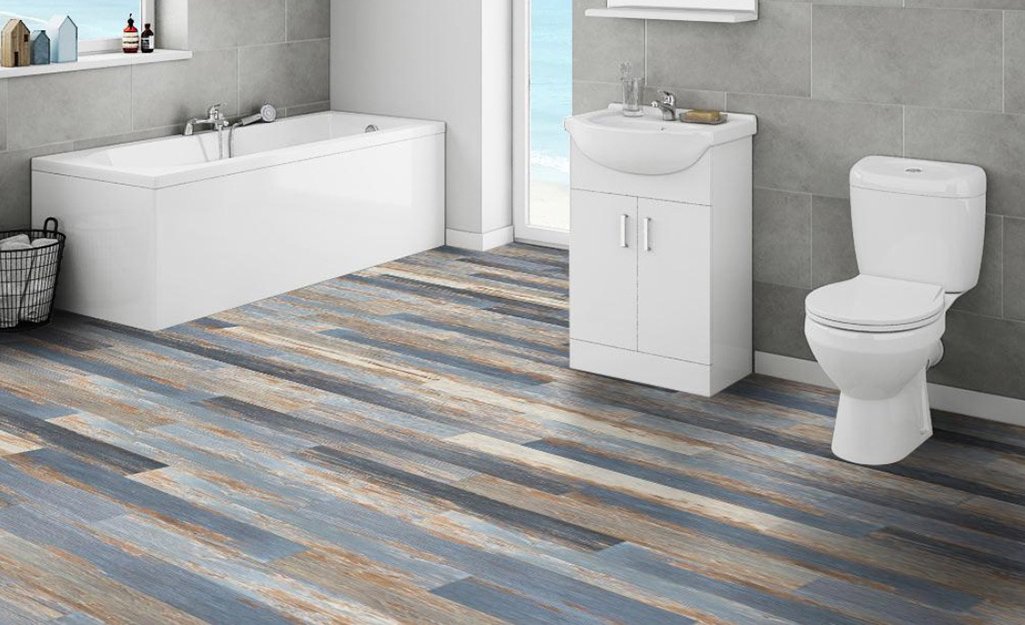
Common Mistakes to Avoid with Bathroom Vinyl Floor Barriers
Even with the right materials, improper installation or planning can undermine the effectiveness of your moisture barrier. Here are some common mistakes to watch out for:
- Skipping the Barrier: Some homeowners assume vinyl is waterproof enough on its own. While vinyl is water-resistant, it is not a complete seal against moisture penetration.
- Poor Sealing of Seams: Overlapping and taping seams is essential. Gaps can allow water to bypass the barrier.
- Using the Wrong Type of Barrier: Not all barriers are suitable for every subfloor or vinyl product. Always check compatibility.
- Neglecting Subfloor Preparation: Installing a barrier over a damp or damaged subfloor can trap moisture and worsen problems.
For those working with a tight budget, you can explore most affordable bathroom flooring options that still allow for proper moisture protection.
Additional Tips for Long-Lasting Bathroom Floors
Beyond installing a moisture barrier under vinyl bathroom flooring, consider these tips for maximizing the lifespan and appearance of your bathroom floor:
- Seal edges and transitions, especially around tubs, toilets, and sinks, with waterproof caulk.
- Wipe up spills promptly to prevent water from pooling at seams or edges.
- Maintain proper ventilation in your bathroom to reduce humidity levels.
- Inspect your floor regularly for signs of lifting, bubbling, or discoloration, which may indicate moisture issues.
If you’re curious about how long different flooring materials last, the how long does bathroom flooring last article provides a detailed breakdown by material type.
Expert Advice and Further Resources
For small bathrooms or unique layouts, you might find inspiration and practical ideas in this guide to transforming tiny bathroom spaces. Choosing the right color and style can also impact the overall feel and maintenance of your bathroom; check out the best neutral bathroom flooring colors for timeless design tips.
Frequently Asked Questions
Do I Always Need a Moisture Barrier Under Vinyl in the Bathroom?
While some vinyl flooring products come with built-in barriers, most installations benefit from an added moisture barrier, especially in bathrooms. This extra layer helps protect your subfloor from water damage and extends the life of your floor.
Can I Use Any Plastic Sheeting as a Moisture Barrier?
It’s best to use polyethylene sheeting specifically designed for flooring applications. These products are tested for durability and effectiveness. Avoid using thin or non-rated plastic, as it may tear or degrade over time.
What Happens If I Skip the Moisture Barrier?
Without a moisture barrier, water can seep through seams or edges, leading to subfloor damage, mold growth, and a shorter lifespan for your vinyl flooring. Repairing these issues can be costly and disruptive.
Is a Moisture Barrier Needed Over Concrete Subfloors?
Yes, concrete is porous and can transmit moisture upward. Installing a vapor barrier is recommended to prevent water from affecting your vinyl flooring and causing adhesive failure or mold.
How Do I Know Which Barrier Is Right for My Project?
Consult your vinyl flooring manufacturer’s installation guide and consider your subfloor type, bathroom usage, and local climate. When in doubt, a reputable flooring professional can provide tailored advice.