
Creating a seamless look between your bathroom shower and floor tiles is a popular design goal for modern bathrooms. Achieving visual flow not only enhances the sense of space but also brings a cohesive, high-end feel to the room. Whether you’re renovating or building new, understanding the nuances of bathroom shower vs floor tile continuity can help you make informed decisions that balance style, function, and budget.
This article explores practical strategies for unifying your shower and main floor tiles, including layout options, material choices, and installation tips. You’ll also find answers to common questions and links to in-depth resources like our bathroom flooring buyer’s guide to help you plan your project with confidence.
Why Tile Continuity Matters in Bathroom Design
Maintaining a consistent tile design between the shower and the rest of the bathroom floor offers several advantages. First, it visually enlarges the space, making even compact bathrooms feel more open. Second, it creates a unified aesthetic that is both modern and timeless. Finally, choosing the same or similar tiles for both areas can simplify cleaning and maintenance routines.
However, achieving this look requires careful planning. Factors such as water resistance, slip rating, and tile thickness must be considered to ensure both safety and durability. For more details on choosing suitable materials, see our guide on how long does bathroom flooring last.
Key Considerations for Seamless Shower and Floor Tile Transitions
When planning for shower and floor tile continuity, keep these essential points in mind:
- Material Compatibility: Not all tiles are suitable for both wet and dry zones. Porcelain and ceramic tiles are popular for their water resistance and durability.
- Slip Resistance: Shower floors require tiles with higher slip ratings. Look for tiles specifically rated for wet areas to prevent accidents.
- Thickness and Leveling: Ensure that the tiles used in the shower and main floor are of similar thickness to avoid awkward transitions or tripping hazards.
- Drainage: Shower areas need a slight slope for proper drainage. This may require smaller tiles or mosaics that can accommodate the angle without cracking.
- Grout Lines: Consistent grout color and width throughout the space help reinforce the sense of continuity.

Popular Approaches to Unified Bathroom Tiling
There are several ways to achieve a harmonious look between your shower and bathroom floor:
- Single-Tile Solution: Using the same tile throughout both the shower and the rest of the floor is the simplest way to create unity. This approach works especially well with large-format tiles or wood-look porcelain planks.
- Coordinated Color Palette: If you prefer some variation, choose tiles in the same color family or with complementary textures. For example, matte tiles on the main floor and matching mosaics in the shower.
- Border or Accent Strip: Define the shower area with a border or accent tile that ties into the main floor, providing subtle separation while maintaining flow.
- Continuous Pattern: Lay tiles in a pattern (such as herringbone or chevron) that runs uninterrupted from the main floor into the shower, enhancing the sense of movement and space.
For inspiration on color selection, check out our article on best neutral bathroom flooring colors.
Installation Tips for Achieving Tile Flow
Proper installation is crucial for a seamless transition between the shower and the rest of the bathroom. Here are some expert tips:
- Plan Your Layout: Before starting, map out the tile pattern and layout to ensure alignment across the entire floor.
- Use Uninterrupted Grout Lines: Align grout joints between the main floor and shower area for a continuous look.
- Consider Curbless Showers: A curbless or walk-in shower eliminates the visual barrier between spaces, making tile continuity easier to achieve.
- Choose the Right Underlayment: Waterproof membranes and proper subfloor preparation are essential for longevity and moisture protection.
- Professional Installation: For complex layouts or large-format tiles, hiring an experienced installer can help avoid common pitfalls.
If you’re considering layering new materials, our guide to layering vinyl over tile in bathroom offers practical advice for updating surfaces without a full renovation.
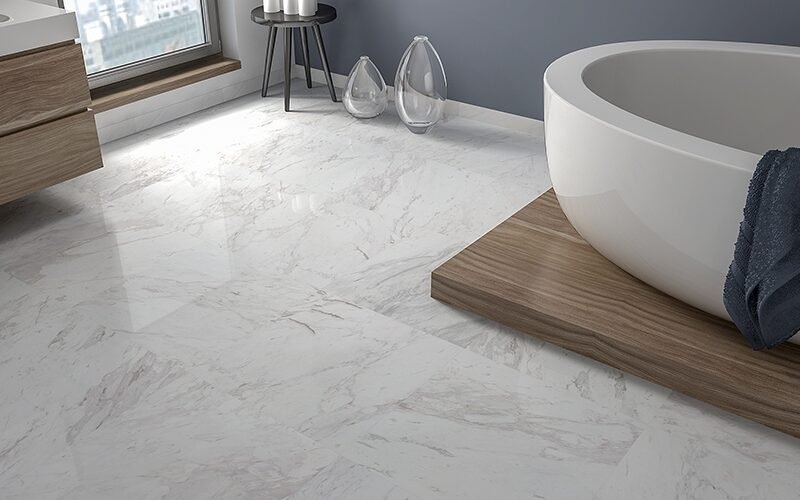
Pros and Cons of Unified Tile Design
| Advantages | Potential Drawbacks |
|---|---|
|
|
Expert Advice and Inspiration
For more ideas and technical guidance, explore resources such as this comprehensive bathroom flooring guide that covers material selection, installation, and maintenance tips. If budget is a concern, our article on most affordable bathroom flooring offers practical solutions that don’t sacrifice style.
Frequently Asked Questions
Should I Use the Same Tile in the Shower and the Rest of the Bathroom?
Using the same tile throughout both areas is a popular choice for a seamless, modern look. However, ensure the tile is rated for wet areas and offers enough slip resistance for safety. Some homeowners opt for matching tiles in different sizes or finishes to add subtle variation while maintaining unity.
How Do I Handle the Transition Between Shower and Main Floor Tiles?
The ideal transition is one that is barely noticeable. Align grout lines and use the same grout color for both areas. For curbless showers, ensure the slope for drainage is integrated smoothly into the main floor. If you need a visual break, consider a border or accent strip that complements both tile types.
What Are the Best Materials for Unified Bathroom Tiling?
Porcelain and ceramic tiles are the most common choices due to their durability and water resistance. Natural stone can also be used but requires more maintenance. For those seeking budget-friendly options, vinyl tiles that mimic wood or stone are increasingly popular and easy to install.
Conclusion
Achieving a harmonious transition between your shower and bathroom floor tiles involves thoughtful planning and attention to detail. By considering material compatibility, slip resistance, and layout, you can create a space that feels open, cohesive, and safe. For more in-depth advice, refer to our bathroom flooring buyer’s guide and related articles throughout this site. With the right approach, your bathroom can combine both beauty and practicality for years to come.