
The construction industry is undergoing a profound transformation as the world seeks to address climate change and reduce carbon emissions. At the heart of this shift are net zero building materials, which are designed to minimize or completely offset their environmental impact throughout their lifecycle. Understanding how these materials work and their role in sustainable construction is essential for architects, builders, and homeowners alike.
As more people aim to create energy-efficient, environmentally responsible buildings, the demand for low-carbon and renewable materials continues to rise. This guide offers a clear explanation of what net zero building materials are, how they contribute to zero carbon goals, and which options are available today. For those interested in broader sustainable design strategies, resources like the best sustainable materials for home construction provide additional insights into eco-friendly choices for every project.
What Are Net Zero Building Materials?
Net zero building materials are products used in construction that result in zero net carbon emissions over their entire lifespan. This means that the carbon released during their extraction, manufacturing, transportation, installation, use, and eventual disposal is balanced by carbon reductions or offsets elsewhere. The goal is to ensure that the material’s total carbon footprint is neutral, supporting the creation of buildings that do not contribute to climate change.
These materials are often sourced from renewable resources, manufactured using clean energy, and designed for durability and recyclability. They play a crucial role in achieving net zero energy and carbon targets for both residential and commercial buildings.
Key Principles Behind Zero Carbon Materials
To better understand the concept, it’s helpful to break down the main principles that define net zero building materials:
- Low Embodied Carbon: The total greenhouse gas emissions associated with a material’s production and delivery are minimized.
- Renewable or Recycled Content: Materials are derived from rapidly renewable resources or incorporate recycled components to reduce reliance on virgin materials.
- Energy Efficiency: Products are designed to improve the thermal performance of buildings, reducing operational energy use.
- Durability and Reusability: Long-lasting materials that can be reused or recycled at end-of-life help lower overall emissions.
- Carbon Sequestration: Some materials, like wood or bamboo, naturally store carbon, helping offset emissions from other sources.
By focusing on these principles, builders can select products that support a building’s overall sustainability and carbon neutrality.
Examples of Net Zero Materials in Modern Construction
There is a growing range of materials available that align with zero carbon objectives. Here are some of the most widely used and promising options:
- Bamboo: Fast-growing and renewable, bamboo is used for flooring, structural elements, and finishes. Its rapid regrowth and carbon sequestration properties make it a top choice for eco-conscious projects.
- Recycled Steel: Steel made from recycled scrap significantly reduces embodied carbon compared to traditional steel. It is durable, strong, and fully recyclable at the end of its life.
- Low-Carbon Concrete: Innovations such as fly ash, slag, and carbon-capture technologies are reducing the carbon footprint of concrete, one of the most widely used building materials.
- Cellulose and Fiberglass Insulation: Insulation made from recycled paper or glass helps cut heating and cooling needs, lowering operational emissions.
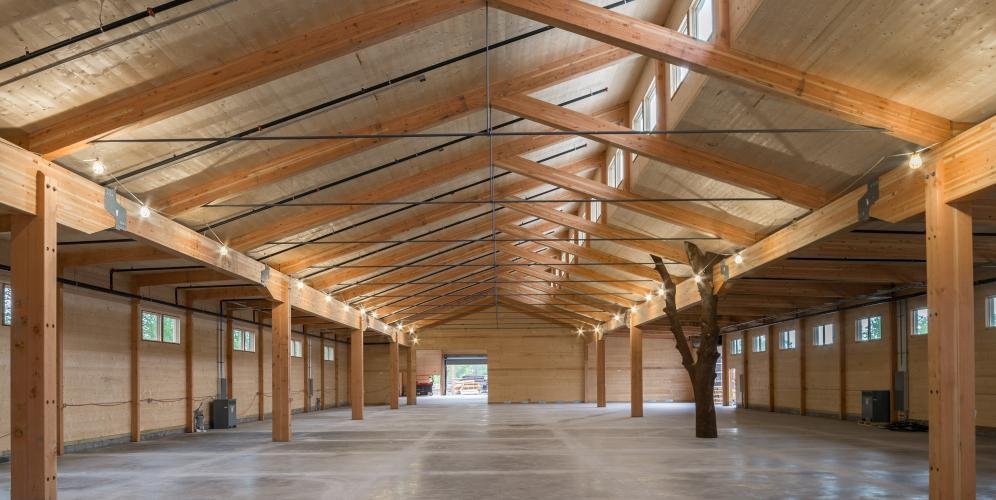
- Engineered Wood Products: Products like cross-laminated timber (CLT) store carbon and can replace more carbon-intensive materials in structural applications.
For those seeking more inspiration on sustainable upgrades, the article on green remodeling materials ideas offers practical suggestions for eco-friendly renovations.
Benefits of Using Low-Carbon and Renewable Materials
Choosing net zero building materials delivers a range of environmental and economic benefits:
- Reduced Greenhouse Gas Emissions: Lowering embodied and operational carbon helps combat climate change.
- Improved Indoor Air Quality: Many eco-friendly materials emit fewer volatile organic compounds (VOCs), creating healthier living spaces.
- Enhanced Energy Efficiency: High-performance insulation and windows reduce heating and cooling demands.
- Long-Term Cost Savings: Durable, efficient materials can lower maintenance and energy bills over time.
- Market Value: Sustainable buildings often command higher resale values and appeal to environmentally conscious buyers.
Incorporating these materials is not only good for the planet but also makes financial sense for property owners and developers.
Challenges and Considerations in Achieving Zero Carbon
While the advantages are clear, there are also challenges to widespread adoption of net zero building materials:
- Availability and Cost: Some innovative materials may be less widely available or more expensive than conventional options.
- Performance Verification: Ensuring that products meet performance and sustainability claims requires third-party certifications and transparent data.
- Lifecycle Assessment: A thorough analysis of a material’s entire lifecycle is necessary to accurately gauge its carbon impact.
- Integration with Existing Systems: Retrofitting older buildings with new materials can pose technical and logistical challenges.
Despite these hurdles, the trend toward sustainable construction is accelerating. Resources like eco friendly renovation materials provide guidance for overcoming common obstacles and making informed choices.
How to Choose the Right Materials for Your Project
Selecting the best products for a zero carbon build involves careful research and planning. Here are some practical tips:
- Assess Embodied Carbon: Use tools and databases to compare the carbon footprint of different materials.
- Look for Certifications: Seek out products with recognized eco-labels such as FSC, Cradle to Cradle, or Environmental Product Declarations (EPDs).
- Prioritize Local Sourcing: Materials sourced close to the construction site reduce transportation emissions.
- Balance Performance and Sustainability: Ensure that chosen materials meet both environmental and functional requirements.
- Consult Experts: Work with architects and builders experienced in sustainable design to make informed decisions.
For larger projects, exploring eco friendly commercial building materials can help identify scalable solutions for offices, schools, and public buildings.
Innovations and Future Trends in Sustainable Construction
The field of net zero building materials is rapidly evolving, with new technologies and products emerging every year. Some trends to watch include:
- Carbon-Negative Materials: Products that actively remove more carbon from the atmosphere than they emit, such as hempcrete or bio-based composites.
- Advanced Prefabrication: Modular construction methods that reduce waste and improve efficiency.
- Smart Materials: Innovations that adapt to environmental conditions, enhancing energy performance.
- Digital Tools: Software for lifecycle assessment and carbon tracking is making it easier to design truly sustainable buildings.
For a deeper dive into sustainable housing options, see the guide on sustainable housing material options for modern living.
Staying informed about these developments is key to making responsible choices and contributing to a greener built environment. For the latest research and case studies, the Sustainable and Eco-Friendly Building Materials magazine offers valuable perspectives from industry leaders and scientists.
Frequently Asked Questions
What makes a building material “net zero”?
A net zero building material is one whose total carbon emissions, from production to disposal, are balanced by carbon reductions or offsets. This can be achieved through renewable sourcing, efficient manufacturing, carbon sequestration, and end-of-life recycling or reuse.
Are net zero materials more expensive than traditional options?
Some net zero materials may have higher upfront costs due to newer technologies or limited availability. However, they often deliver long-term savings through energy efficiency, durability, and reduced maintenance, making them cost-effective over a building’s lifespan.
How can I verify the sustainability claims of a building product?
Look for third-party certifications such as FSC, Cradle to Cradle, or Environmental Product Declarations (EPDs). These labels provide independent verification of a product’s environmental performance and help ensure transparency.