As the demand for sustainable development rises, the construction industry is undergoing a significant transformation. Green industrial construction materials are now at the forefront of large-scale projects, offering eco-friendly alternatives that reduce environmental impact while maintaining durability and performance. This shift is not just a trend—it’s a necessity for organizations aiming to meet regulatory standards, achieve energy efficiency, and appeal to environmentally conscious stakeholders.
From renewable resources to recycled content, the range of sustainable options continues to expand. Builders, architects, and developers are increasingly seeking out materials that minimize carbon footprint, conserve resources, and support long-term operational savings. Understanding the benefits, types, and best practices for integrating these materials is essential for anyone involved in major construction initiatives.
For those interested in smaller-scale or residential applications, exploring the best sustainable materials for home construction can provide additional insights into eco-friendly building solutions.
Why Sustainable Materials Matter in Industrial Construction
Large-scale construction projects have a substantial impact on the environment, from resource extraction to waste generation. Choosing eco-friendly industrial building materials helps mitigate these effects in several ways:
- Lower Carbon Emissions: Many green products are manufactured using processes that emit fewer greenhouse gases.
- Resource Conservation: Utilizing recycled or rapidly renewable materials reduces the strain on finite natural resources.
- Improved Indoor Air Quality: Non-toxic, low-VOC materials contribute to healthier work environments.
- Regulatory Compliance: Sustainable choices often help projects meet LEED, BREEAM, or other green building certification requirements.
- Long-Term Cost Savings: Energy-efficient insulation, windows, and structural elements can lower operational costs over the building’s lifespan.
Incorporating these principles is not only beneficial for the planet but also supports a project’s financial and operational objectives.
Key Types of Green Materials for Large Projects
There is a growing selection of green industrial construction materials suitable for commercial, institutional, and infrastructure builds. Here are some of the most impactful options:
Bamboo and Engineered Wood Products
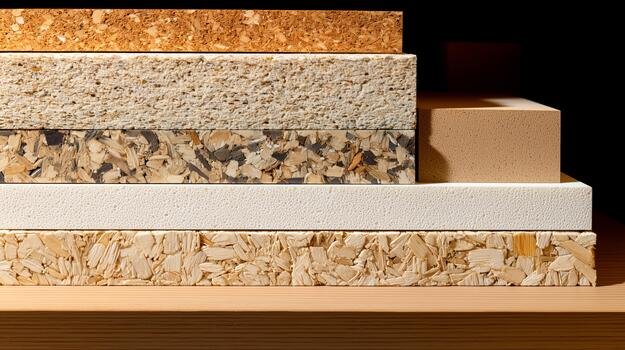
Bamboo is a rapidly renewable resource with impressive strength-to-weight ratio, making it ideal for flooring, paneling, and even structural elements. Engineered wood products, such as cross-laminated timber (CLT) and oriented strand board (OSB), use wood fibers efficiently and often incorporate recycled content.

Recycled Steel and Metal Products
Steel is one of the most recycled materials globally. Using recycled steel in beams, columns, and reinforcements reduces the need for new raw materials and lowers embodied energy. Aluminum and copper, when sourced from recycled streams, also offer sustainable alternatives for roofing, cladding, and electrical systems.
High-Performance Insulation
Modern insulation materials, such as fiberglass made from recycled glass or mineral wool, provide excellent thermal performance and are often manufactured with low environmental impact. These products help buildings maintain energy efficiency and reduce heating and cooling costs.
Low-Carbon Concrete Alternatives
Traditional concrete production is energy-intensive and a major source of CO2 emissions. Alternatives like fly ash concrete, slag cement, and geopolymer concrete incorporate industrial byproducts and require less energy to produce, making them more sustainable choices for foundations and structural elements.
Reclaimed and Recycled Materials
Using reclaimed wood, bricks, and metals from demolition sites not only diverts waste from landfills but also adds character and history to new projects. Recycled plastic lumber and rubber flooring are other examples of innovative products that repurpose waste into durable building materials.
Benefits of Using Eco-Friendly Materials at Scale
Adopting green industrial construction materials on large projects yields several advantages beyond environmental stewardship:
- Enhanced Reputation: Companies that prioritize sustainability are viewed more favorably by clients, investors, and the public.
- Future-Proofing: As regulations tighten, early adoption of green practices positions organizations ahead of compliance requirements.
- Operational Efficiency: High-performance materials often translate into lower energy and maintenance costs over time.
- Occupant Wellbeing: Healthier materials contribute to improved indoor environments for workers and future occupants.
For more ideas on sustainable upgrades and renovations, see our guide to green remodeling materials ideas.
Innovative Examples in Modern Construction
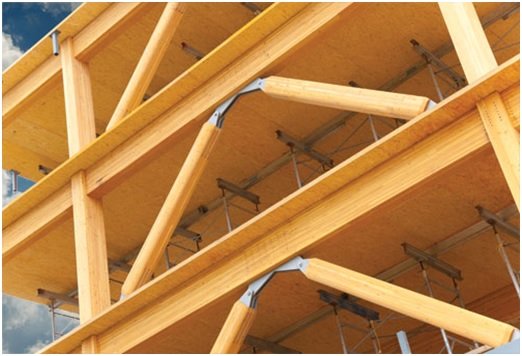
Many recent projects showcase how sustainable materials can be integrated into large-scale builds without compromising on strength or aesthetics. For instance, mass timber construction is gaining popularity for mid-rise and high-rise buildings, offering a renewable alternative to concrete and steel. Similarly, modular construction techniques often use prefabricated components made from recycled or rapidly renewable resources, reducing waste and speeding up project timelines.
For a deeper dive into sustainable options for commercial projects, our article on eco friendly commercial building materials explores additional strategies and product recommendations.
Best Practices for Implementing Sustainable Materials
To maximize the benefits of eco-friendly products in industrial construction, consider the following strategies:
- Early Planning: Integrate sustainability goals at the design phase to ensure material choices align with project objectives.
- Supplier Verification: Source materials from reputable suppliers who provide transparency about their products’ environmental impact.
- Life Cycle Assessment: Evaluate the full life cycle of materials, from extraction to disposal, to understand their true sustainability.
- Waste Reduction: Implement on-site recycling and reuse programs to minimize construction waste.
- Certification and Standards: Look for products with third-party certifications such as FSC, Cradle to Cradle, or GREENGUARD to ensure quality and environmental responsibility.
For more on sustainable housing options, see our overview of sustainable housing material options for modern living.
Further Resources and Industry Insights
Staying informed about the latest advancements in sustainable building is crucial. Industry organizations, research institutions, and government agencies regularly publish new findings and standards. For a comprehensive look at emerging products and trends, the University of Birmingham’s guide to sustainable building materials offers valuable insights into current best practices and innovations.
Additionally, exploring eco friendly renovation materials can provide inspiration for integrating green solutions into both new builds and retrofits.
FAQ
What qualifies a material as “green” in industrial construction?
A material is considered “green” if it is produced, used, and disposed of in ways that minimize environmental impact. This includes using recycled or renewable resources, reducing energy consumption during manufacturing, and ensuring the material is non-toxic and durable.
Are sustainable construction materials more expensive?
Initial costs for some eco-friendly products may be higher, but they often result in long-term savings through improved energy efficiency, reduced maintenance, and potential tax incentives or rebates. The overall cost-effectiveness depends on the specific material and application.
How can I ensure the materials I choose are truly sustainable?
Look for third-party certifications, request environmental product declarations (EPDs) from suppliers, and conduct life cycle assessments. Working with experienced architects and contractors who prioritize sustainability can also help ensure responsible sourcing and installation.