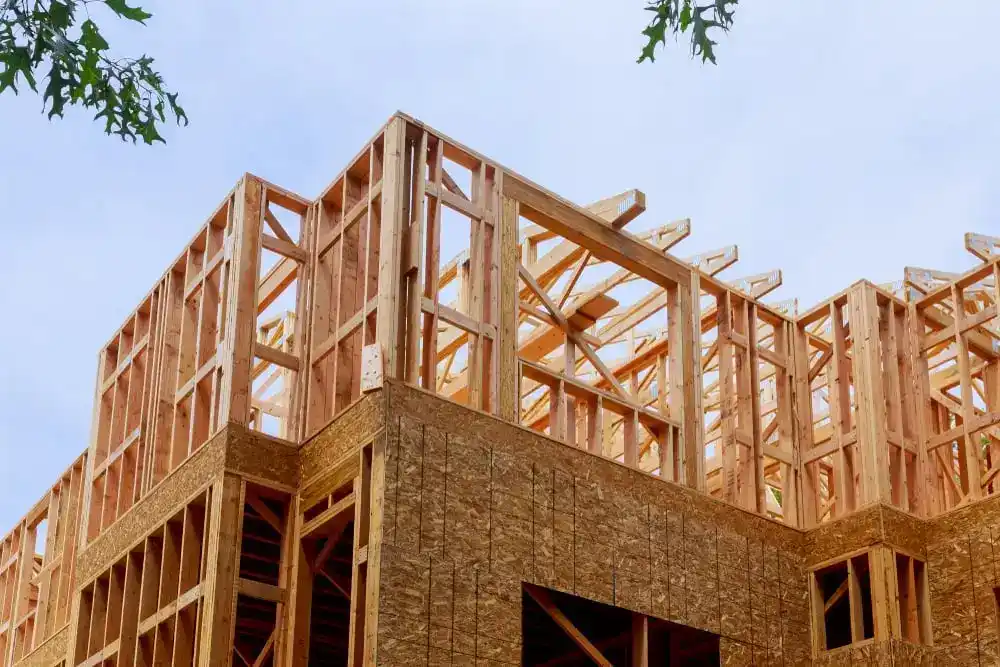
Modular construction sustainable materials are transforming the way buildings are designed, assembled, and maintained. By combining off-site fabrication with eco-friendly resources, this method offers a practical solution for faster, greener, and more cost-effective projects. As the demand for environmentally responsible construction grows, understanding the options and benefits of these materials is essential for builders, architects, and homeowners alike.
In this guide, you’ll discover the most effective sustainable materials used in modular building, how they contribute to efficiency, and why they are a smart choice for a wide range of projects. For those interested in expanding their knowledge of green building, our resource on eco friendly prefab building materials provides further insights into fast, sustainable housing solutions.
Why Sustainable Materials Matter in Modular Building
Choosing sustainable materials for modular construction is more than a trend—it’s a necessity for reducing the environmental impact of the built environment. Traditional construction methods often generate significant waste, consume large amounts of energy, and rely on non-renewable resources. In contrast, modular building leverages precision manufacturing and resource-efficient materials to minimize waste and carbon emissions.
Key benefits of using eco-friendly materials in modular projects include:
- Reduced waste: Off-site fabrication allows for better material management and recycling.
- Lower energy use: Many sustainable materials offer improved insulation and thermal performance.
- Healthier indoor environments: Non-toxic, low-VOC products contribute to better air quality.
- Resource conservation: Renewable and recycled materials help preserve natural resources.
These advantages make modular construction an attractive option for those seeking both efficiency and sustainability. For more information on the best green options, see our article on best sustainable materials for home construction.
Top Eco-Friendly Materials Used in Modular Construction
Innovative materials are at the heart of sustainable modular building. Below are some of the most widely used and effective options:
Bamboo: Fast-Growing and Versatile
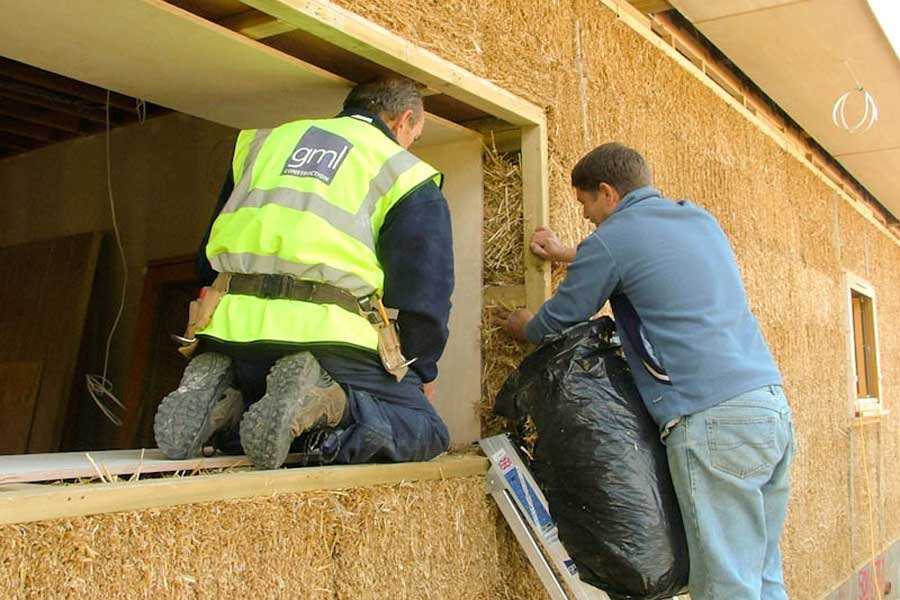
Bamboo is a rapidly renewable resource that is strong, lightweight, and highly adaptable. Its quick growth cycle and minimal need for pesticides make it a popular choice for flooring, wall panels, and structural elements in modular builds. Bamboo products are durable and can be finished to suit a variety of design aesthetics.
Recycled Steel: Strength and Longevity
Recycled steel is a cornerstone of many modular structures. It offers exceptional strength, durability, and is fully recyclable at the end of its life cycle. Using steel made from recycled content reduces the need for virgin materials and lowers the overall carbon footprint of a project. Modular units built with steel frames are also resistant to pests, fire, and extreme weather.
Structural Insulated Panels (SIPs): Energy Efficiency
SIPs are prefabricated panels made from a foam core sandwiched between two structural boards, often oriented strand board (OSB). These panels provide excellent thermal performance, reduce air leakage, and speed up the construction process. Many SIPs use recycled or sustainably sourced materials, making them a smart choice for energy-conscious modular builds.
Mass Timber: Renewable and Low-Carbon
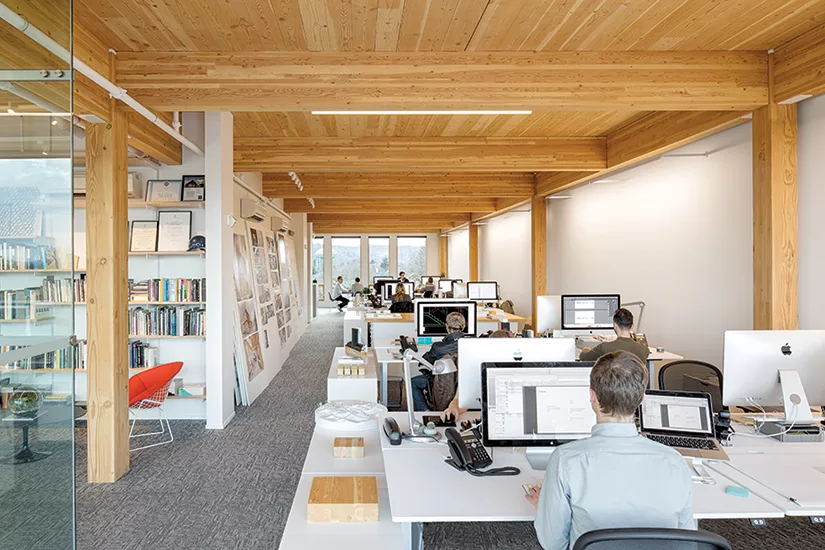
Mass timber products, such as cross-laminated timber (CLT) and glulam, are gaining popularity for their strength, versatility, and low embodied carbon. Sourced from sustainably managed forests, these materials store carbon and offer a warm, natural aesthetic. Mass timber is suitable for both residential and commercial modular projects, supporting rapid assembly and design flexibility.
Other Notable Green Materials
- Recycled plastics: Used for insulation, decking, and wall panels, reducing landfill waste.
- Low-VOC paints and finishes: Improve indoor air quality and occupant health.
- Natural fiber insulation: Options like sheep’s wool and cellulose offer renewable alternatives to traditional insulation.
For a broader look at green upgrades, visit our guide on green remodeling materials ideas.
How Modular Construction Boosts Efficiency
Efficiency is a hallmark of modular building, and the use of sustainable materials amplifies these benefits. Here’s how:
- Shorter build times: Off-site fabrication and pre-engineered materials allow for parallel site and module work, reducing overall project timelines.
- Consistent quality: Factory-controlled environments ensure precise assembly and minimize defects.
- Less site disruption: With most work completed off-site, there’s less noise, dust, and disturbance to surrounding areas.
- Improved energy performance: High-performance materials like SIPs and mass timber enhance insulation and air tightness, lowering utility costs.
These factors make modular building a compelling choice for those seeking to balance speed, quality, and sustainability. For more on material options tailored to modern living, see our article on sustainable housing material options.
Certifications and Standards for Sustainable Modular Materials
When selecting materials for modular construction, look for certifications that verify environmental responsibility and performance. Common standards include:
- FSC (Forest Stewardship Council): Ensures wood products come from responsibly managed forests.
- LEED (Leadership in Energy and Environmental Design): Recognizes buildings that meet high sustainability criteria.
- Cradle to Cradle: Certifies products designed for a circular lifecycle, with safe, reusable materials.
- GREENGUARD: Certifies low-emission products for healthier indoor air.
Choosing certified products not only supports sustainability goals but can also contribute to green building credits and incentives.
Challenges and Considerations
While the advantages of modular construction with sustainable materials are clear, there are important considerations:
- Upfront costs: Some eco-friendly materials may have higher initial prices, though they often yield long-term savings.
- Supply chain limitations: Availability of certain green materials can vary by region.
- Design constraints: Modular construction requires careful planning to ensure materials are compatible with off-site fabrication methods.
Despite these challenges, the benefits for the environment, occupants, and project timelines make sustainable modular building an increasingly popular choice. For more on renovating with green materials, check out our resource on eco friendly renovation materials.
Further Resources and External Insights
To deepen your understanding of eco-friendly construction, the article eco-friendly materials in sustainable construction provides a comprehensive overview of material choices, benefits, and global trends in green building.
Frequently Asked Questions
What are the main benefits of using sustainable materials in modular construction?
Using eco-friendly materials in modular building reduces waste, lowers energy consumption, and creates healthier indoor environments. These materials also support resource conservation and can improve the overall efficiency and durability of the finished structure.
Are sustainable materials more expensive for modular builds?
While some green materials may have higher upfront costs, they often lead to savings through reduced energy bills, less maintenance, and longer lifespans. Modular construction methods can also offset costs by reducing labor and build time.
Which sustainable materials are best for insulation in modular homes?
Popular eco-friendly insulation options include fiberglass rolls, cellulose, sheep’s wool, and structural insulated panels. Each offers different benefits in terms of thermal performance, sustainability, and cost.
How do I verify if a material is truly sustainable?
Look for certifications such as FSC, LEED, Cradle to Cradle, or GREENGUARD. These labels indicate that the material meets recognized environmental and health standards.