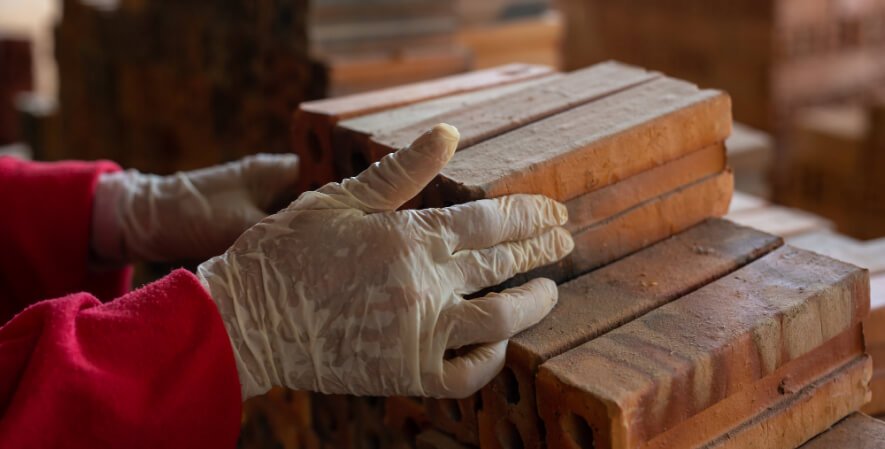
As the demand for sustainable construction grows, eco friendly prefab building materials are transforming how homes are designed and assembled. Prefabricated, or “prefab,” construction methods use factory-built components that are transported and assembled on-site, significantly reducing waste, build times, and environmental impact. By selecting the right green materials, homeowners and builders can create efficient, healthy, and resilient living spaces while minimizing their carbon footprint.
Whether you’re planning a new build or exploring options for a sustainable upgrade, understanding the latest innovations in green prefab materials can help you make informed choices. This article covers top options, their benefits, and practical guidance for integrating them into modern housing projects.
For a deeper look at the best sustainable materials for home construction, check out our comprehensive guide on the topic.
Why Choose Sustainable Prefab Materials?
Opting for eco friendly prefab building materials offers several advantages over traditional construction. Prefabrication itself is inherently more efficient, as components are produced in controlled environments, leading to less material waste and improved quality control. When these methods are paired with renewable or recycled materials, the environmental benefits multiply.
- Reduced Waste: Factory precision means fewer offcuts and errors, lowering landfill contributions.
- Lower Carbon Emissions: Many green materials have a smaller carbon footprint, both in production and transport.
- Faster Construction: Prefab elements can be assembled quickly, minimizing site disturbance and labor costs.
- Healthier Indoor Environments: Non-toxic, natural materials improve air quality and occupant well-being.
These advantages make sustainable prefab solutions ideal for those seeking to balance speed, cost, and environmental responsibility.
Top Eco-Conscious Materials Used in Prefab Homes
Several innovative materials are shaping the future of green prefab housing. Here are some of the most effective and widely adopted options:
Bamboo: A Rapidly Renewable Resource
Bamboo is one of the fastest-growing plants on earth, making it a highly renewable building material. Its strength rivals that of hardwood, and it’s used for flooring, wall panels, and even structural elements in prefab homes. Bamboo’s rapid regrowth and minimal pesticide requirements make it a favorite for sustainable construction.
Recycled Steel and Metal Components
Steel is a staple in prefab construction due to its durability and recyclability. Using recycled steel reduces the need for new raw materials and cuts down on energy consumption during production. Steel frames and panels offer strength, fire resistance, and design flexibility, making them suitable for modern green homes.
Structural Insulated Panels (SIPs)
SIPs are prefabricated panels made from a foam core sandwiched between two structural boards, often oriented strand board (OSB) or magnesium oxide board. They provide excellent insulation, reduce thermal bridging, and speed up the building process. SIPs are compatible with a range of eco-friendly finishes and claddings.
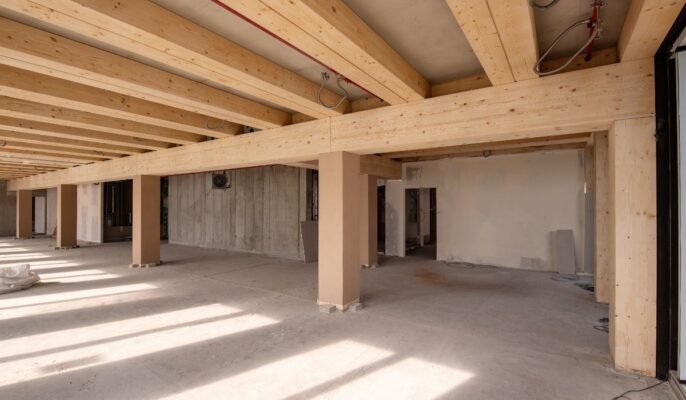
Reclaimed Wood and Engineered Timber
Using reclaimed wood salvaged from old structures or sustainably harvested timber reduces deforestation and gives new life to existing resources. Engineered wood products like cross-laminated timber (CLT) and laminated veneer lumber (LVL) are strong, versatile, and often used in prefab wall and roof systems. These materials store carbon and can be sourced with low-VOC finishes for healthier interiors.
Eco-Friendly Insulation Options
Insulation is critical for energy efficiency in any home. Green prefab projects often use:
- Cellulose Insulation: Made from recycled paper, it’s treated for fire resistance and provides excellent thermal performance.
- Sheep’s Wool: Naturally fire-retardant and moisture-regulating, wool insulation is renewable and biodegradable.
- Fiberglass: Modern fiberglass insulation, especially those labeled as eco-friendly, use recycled glass and are formaldehyde-free.
These options help maintain comfortable indoor temperatures while reducing reliance on fossil fuels.
How Prefab Materials Accelerate Green Construction
Speed is a major advantage of prefab building. Factory-fabricated components arrive ready to assemble, slashing on-site construction time. This efficiency not only saves money but also reduces the environmental impact associated with prolonged site work, such as noise, dust, and transportation emissions.
For those interested in broader options, our resource on sustainable housing material options explores additional materials suitable for modern living.
Additionally, prefab methods allow for precise integration of high-performance insulation, airtight windows, and renewable energy systems, making it easier to achieve certifications like LEED or Passive House.
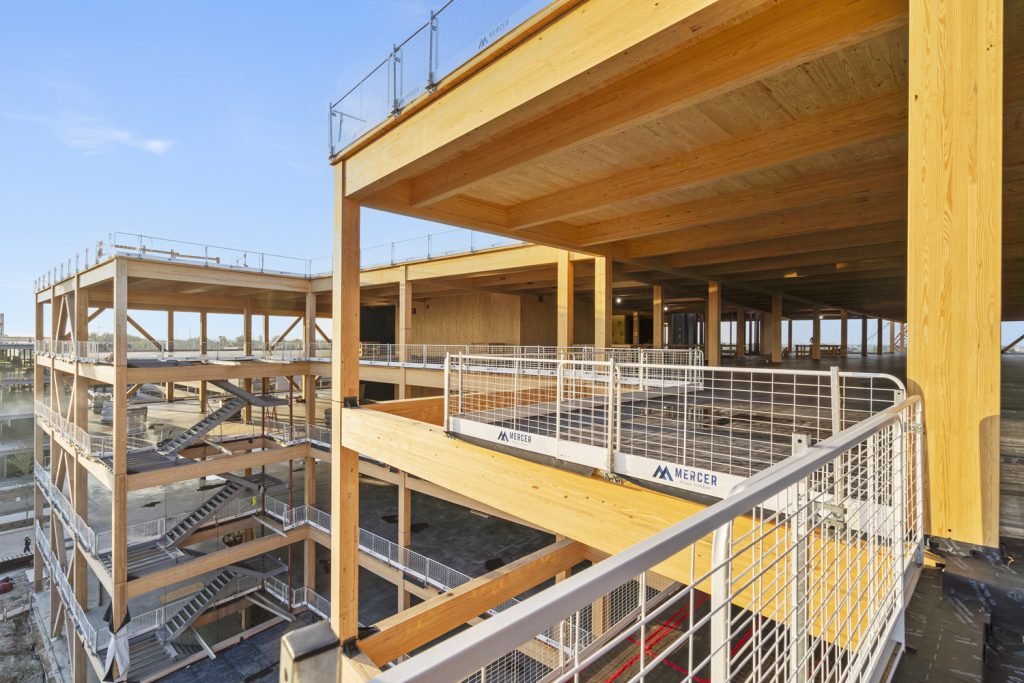
Comparing Green Prefab Materials: What to Consider
When evaluating materials for a sustainable prefab project, consider the following factors:
- Embodied Energy: Choose products with low energy requirements for extraction, manufacturing, and transport.
- Local Sourcing: Materials sourced close to the building site reduce transportation emissions and support local economies.
- Certifications: Look for third-party certifications such as FSC (Forest Stewardship Council) for wood or Cradle to Cradle for overall sustainability.
- End-of-Life Impact: Prioritize materials that are recyclable, biodegradable, or reusable at the end of their service life.
For more inspiration on sustainable upgrades, see our article on green remodeling materials ideas for practical tips and material suggestions.
Integrating Eco Materials Into Modern Home Design
Today’s prefab homes are not only efficient but also stylish and customizable. Many manufacturers offer a wide range of finishes, colors, and layouts that allow homeowners to personalize their space without sacrificing sustainability. From sleek bamboo floors to reclaimed wood accents and high-performance insulation, it’s possible to achieve both comfort and eco-consciousness.
To explore a broader list of green building options, visit this comprehensive eco-friendly building materials list for more ideas and guidance.
Challenges and Future Trends in Green Prefab Construction
While the benefits are significant, there are still challenges to widespread adoption of sustainable prefab materials. Upfront costs can be higher for some green products, and local building codes may not always accommodate innovative materials. However, as awareness grows and technology advances, these barriers are gradually being addressed. Expect to see more biobased materials, modular systems, and integration with smart home technologies in the coming years.
If you’re considering a renovation, our guide on eco friendly renovation materials provides actionable advice for greener home makeovers.
FAQ
What Are the Most Popular Eco Materials for Prefab Homes?
Common choices include bamboo, recycled steel, SIPs, reclaimed wood, and eco-friendly insulation like cellulose or wool. These materials offer a balance of strength, efficiency, and sustainability.
How Do Prefab Materials Reduce Environmental Impact?
They minimize waste through factory precision, use renewable or recycled resources, and often require less energy for transport and assembly. This results in lower emissions and a smaller ecological footprint compared to conventional building methods.
Are Green Prefab Homes More Expensive?
While some sustainable materials may cost more upfront, the overall expense can be offset by faster construction, lower labor costs, and long-term energy savings. Additionally, many prefab homes qualify for green building incentives and rebates.
Can I Customize the Look of a Prefab Home With Green Materials?
Yes, most prefab builders offer a range of finishes and design options, allowing you to personalize your home while maintaining sustainability standards.
Where Can I Learn More About Sustainable Building Materials?
For further reading, explore our resources on eco friendly commercial building materials and related topics to stay updated on the latest trends and innovations.