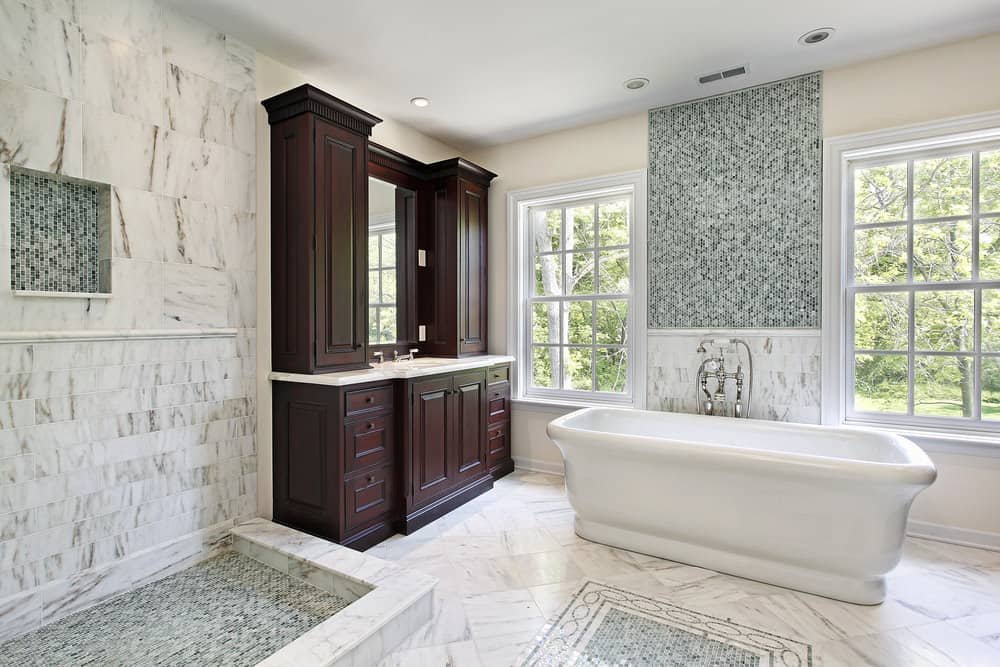
Choosing the right bathroom flooring for humid climates is essential for long-lasting style, safety, and durability. High humidity, frequent splashes, and temperature swings can quickly damage unsuitable materials, leading to warping, mold, or slippery surfaces. Whether you live in a coastal region, a tropical zone, or simply want peace of mind in a busy family bathroom, selecting the best flooring makes a significant difference in maintenance and comfort.
This guide explores the most reliable flooring options for moisture-prone bathrooms, key features to look for, and practical tips to ensure your investment stands up to the test of time. For a deeper dive into comparing materials, check out our comprehensive bathroom flooring buyer’s guide for homeowners.
Key Considerations for Moisture-Resistant Bathroom Floors
Bathrooms in humid environments face constant exposure to water and steam. This means your flooring must be:
- Waterproof or highly water-resistant to prevent swelling, warping, and mold growth.
- Slip-resistant for safety, especially in households with children or seniors.
- Easy to clean and maintain, as humidity can encourage mildew and stains.
- Durable enough to withstand frequent cleaning and heavy foot traffic.
Materials that absorb moisture or have seams that allow water to seep through are generally poor choices for these conditions. Instead, focus on options specifically engineered for wet spaces.
Top Flooring Options for Humid Bathrooms
Several flooring types stand out for their ability to handle high moisture and humidity. Here’s a closer look at the best choices for lasting performance:
Ceramic and Porcelain Tile
Ceramic and porcelain tiles are classic choices for bathrooms, especially in humid climates. These materials are non-porous, highly water-resistant, and available in a wide range of colors, patterns, and textures. Porcelain, in particular, is denser and less absorbent than standard ceramic, making it ideal for wet environments.
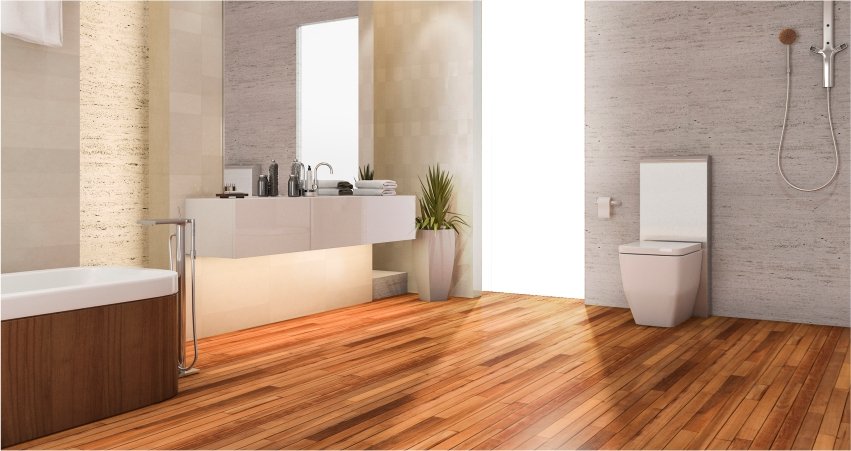
Tiles are also easy to clean and maintain, and many styles feature textured surfaces that help prevent slips. Proper installation with waterproof grout is crucial to keep moisture from seeping underneath.
Luxury Vinyl Plank and Tile
Luxury vinyl flooring (LVP and LVT) has become a favorite for bathrooms in humid regions due to its waterproof construction and realistic appearance. Modern vinyl planks and tiles mimic wood, stone, or ceramic while providing a softer, warmer feel underfoot. They are also highly resistant to mold and mildew, making them a practical choice for busy bathrooms.
Installation is straightforward, and many products are designed for DIY-friendly floating or peel-and-stick setups. For more on layering options, see our guide to layering vinyl over tile in bathroom for added flexibility.
Natural Stone (With Caution)
Stone floors such as slate, granite, or marble can work in humid bathrooms if properly sealed and maintained. While stone is naturally durable, it is also porous, so regular sealing is essential to prevent water absorption and staining. Textured finishes offer better slip resistance, but stone can feel cold and may require radiant heating for comfort.
Waterproof Laminate Flooring
Advancements in laminate technology have led to products specifically designed for wet areas. Waterproof laminate features a sealed surface and tight locking system to keep moisture out. While not as foolproof as tile or vinyl, it can be a suitable option for those who want the look of wood without the risk of swelling or warping.
What to Avoid in Damp Bathrooms
Some flooring materials are not suitable for humid environments. Here are a few to avoid:
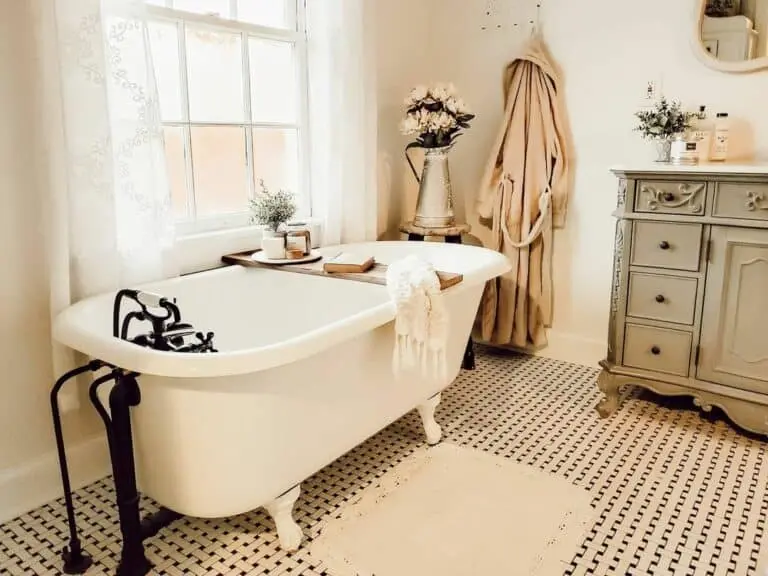
- Solid hardwood: Prone to warping, swelling, and mold when exposed to moisture.
- Carpet: Absorbs water, leading to mildew and unpleasant odors.
- Standard laminate: Not designed for wet areas; water can cause seams to swell and boards to buckle.
Instead, stick with surfaces that are specifically rated for wet rooms or high humidity.
Design Tips for Long-Lasting Bathroom Floors
Beyond choosing the right material, a few design strategies can help your bathroom floor last longer in humid conditions:
- Opt for lighter colors to make the space feel airy and to help hide water spots or soap residue. See our advice on the best neutral bathroom flooring colors for inspiration.
- Use larger tiles to reduce the number of grout lines, minimizing places where water can seep in.
- Install proper ventilation such as exhaust fans to reduce humidity and speed up drying times.
- Seal grout lines and edges regularly to prevent mold and water damage.
Maintenance Tips for Humid Bathrooms
Even the best bathroom flooring for humid climates needs regular care to stay in top shape:
- Wipe up spills and standing water promptly to avoid seepage.
- Clean floors with mild, non-abrasive cleaners to prevent buildup.
- Inspect for cracks or loose tiles and repair immediately to block moisture entry.
- Re-seal grout and stone surfaces as recommended by the manufacturer.
For more information on the longevity of each flooring type, visit our resource on how long does bathroom flooring last by material.
Cost and Value Considerations
While some water-resistant floors may cost more upfront, they often save money in the long run by reducing the risk of water damage and the need for frequent replacements. For those on a budget, explore our guide to the most affordable bathroom flooring options that still perform well in humid settings.
It’s also worth considering installation costs, ongoing maintenance, and the potential resale value that durable, attractive flooring can add to your home.
Expert Inspiration and Further Reading
Looking for more ideas? Browse this collection of bathroom flooring inspiration for humid spaces to see real-world examples and creative solutions that balance style with practicality.
Frequently Asked Questions
What is the most durable bathroom flooring for high humidity?
Porcelain tile and luxury vinyl plank are among the most durable options for humid bathrooms. Both are highly water-resistant, easy to clean, and designed to withstand heavy use without warping or mold growth.
Can I use wood-look flooring in a humid bathroom?
Yes, but it’s best to choose waterproof alternatives like luxury vinyl plank or waterproof laminate. These products mimic the appearance of wood while offering superior resistance to moisture and humidity.
How often should I reseal grout or stone floors in a humid bathroom?
It’s recommended to reseal grout lines and natural stone surfaces every 1–2 years, or as directed by the manufacturer. Regular sealing helps prevent water penetration and keeps your floors looking their best.
Are there affordable options for moisture-resistant bathroom floors?
Luxury vinyl tile, sheet vinyl, and some ceramic tiles are budget-friendly choices that perform well in damp environments. For more details, see our article on the most affordable bathroom flooring solutions.