
Bathrooms are evolving into modern sanctuaries, and flooring plays a crucial role in shaping their look and feel. Among the many options available, a polished concrete bathroom floor stands out for its sleek appearance, durability, and low maintenance. This guide explores the style possibilities, practical benefits, and key considerations for choosing this contemporary flooring solution.
Whether you’re renovating a master bath or updating a powder room, understanding the features and design flexibility of polished concrete can help you create a space that’s both functional and visually striking. For a comprehensive overview of different flooring materials and their lifespans, check out the how long does bathroom flooring last resource for valuable insights.
Why Choose a Polished Concrete Bathroom Floor?
Opting for a polished concrete bathroom floor offers a unique blend of style and practicality. Here are some of the main reasons homeowners and designers are turning to this flooring option:
- Modern Aesthetics: Polished concrete delivers a minimalist, seamless look that suits both contemporary and industrial-inspired interiors.
- Durability: Concrete is highly resistant to scratches, dents, and heavy foot traffic, making it ideal for busy bathrooms.
- Water Resistance: When properly sealed, polished concrete repels moisture and prevents water damage, a must for any bathroom environment.
- Low Maintenance: Unlike grout lines in tile or the seams in vinyl, a polished surface is easy to clean and maintain.
- Customizable Finish: From high-gloss to matte, and with options for color tinting or decorative aggregates, you can tailor the look to your taste.
Design Inspiration: Styles and Finishes
Polished concrete is far from a one-size-fits-all solution. Its versatility allows for a range of design choices to suit your bathroom’s aesthetic.
- Color Options: While classic gray is popular, concrete can be tinted with dyes or stains for a warmer or bolder appearance.
- Aggregate Exposure: Exposing the stone or gravel within the concrete creates a terrazzo-like effect, adding texture and visual interest.
- Finish Levels: Choose from a mirror-like gloss, a subtle satin, or a soft matte finish depending on your style preference and slip resistance needs.
- Pattern and Scoring: Decorative saw cuts or embedded patterns can mimic the look of large tiles or geometric designs.
For more ideas on affordable ways to update your bathroom floor, explore the most affordable bathroom flooring article for inspiration.
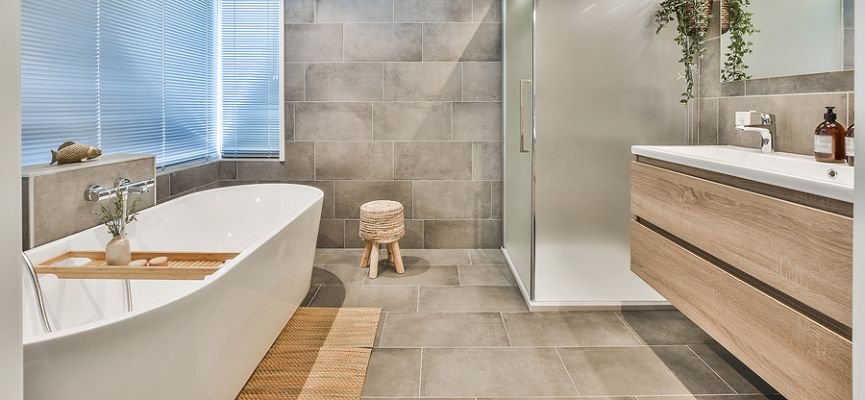
Installation Considerations for Concrete Bathroom Flooring
Installing a polished concrete bathroom floor is a specialized process that requires careful planning and professional expertise. Here are some key points to keep in mind:
- Substrate Preparation: The existing subfloor must be structurally sound and free of cracks. Any imperfections will show through the polished surface.
- Moisture Control: Bathrooms are high-moisture areas, so proper sealing and vapor barriers are essential to prevent issues like mold or efflorescence.
- Professional Polishing: Achieving a smooth, glossy finish involves multiple grinding and polishing steps with specialized equipment. DIY attempts may not yield the desired results.
- Sealing: A high-quality sealer is critical for stain resistance and water repellency. Resealing every few years helps maintain performance.
- Underfloor Heating: Concrete can feel cold underfoot, but radiant heating systems can be installed beneath the slab for added comfort.
If you’re considering layering new materials over existing floors, the layering vinyl over tile in bathroom guide offers practical advice for multi-layer installations.
Maintenance and Cleaning Tips
One of the biggest advantages of a polished concrete surface is its ease of maintenance. Follow these tips to keep your floor looking its best:
- Sweep or vacuum regularly to remove dust and debris.
- Mop with a pH-neutral cleaner and warm water; avoid harsh chemicals that can damage the sealer.
- Wipe up spills promptly to prevent staining, especially from colored toiletries or cosmetics.
- Inspect the surface periodically for signs of wear and reseal as needed to maintain water resistance.
For homeowners seeking a neutral palette, the best neutral bathroom flooring colors article highlights color options that pair well with polished concrete finishes.
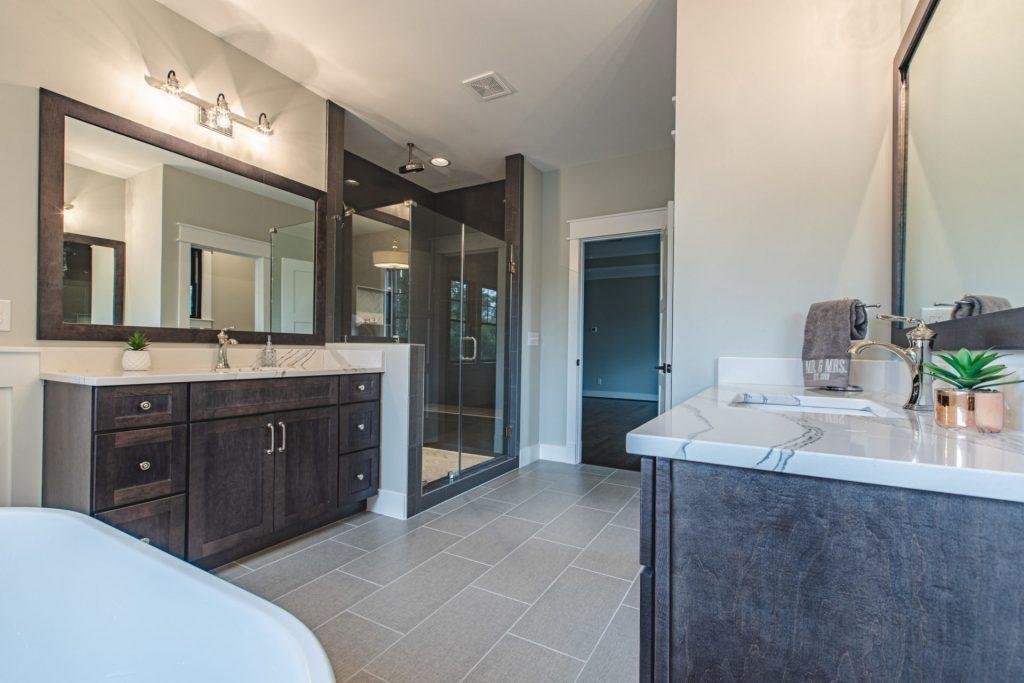
Comparing Polished Concrete to Other Bathroom Flooring Options
While concrete floors offer many benefits, it’s helpful to compare them with other popular bathroom surfaces:
| Flooring Type | Durability | Water Resistance | Maintenance | Style Flexibility |
|---|---|---|---|---|
| Polished Concrete | Excellent | High (when sealed) | Low | High |
| Porcelain Tile | Very Good | High | Moderate (grout lines) | Wide Range |
| Vinyl Plank | Good | High | Low | Many Designs |
| Natural Stone | Good | Moderate | High (sealing required) | Unique Patterns |
For a detailed breakdown of pros and cons for each material, the bathroom flooring buyer’s guide is an excellent resource for homeowners.
Cost Factors and Budgeting
The price of installing a polished concrete bathroom floor can vary depending on several factors:
- Size of the Space: Larger bathrooms require more materials and labor.
- Existing Subfloor Condition: Repairs or leveling may add to the cost.
- Finish Complexity: Decorative aggregates, dyes, or intricate patterns can increase the price.
- Professional Labor: Hiring experienced installers ensures quality but comes at a premium.
While polished concrete is often comparable to mid-range tile or stone, its longevity and low maintenance can make it a cost-effective choice over time. For those exploring alternatives, luxury bathroom flooring options provide additional inspiration and ideas.
Frequently Asked Questions
Is a polished concrete surface slippery when wet?
Polished concrete can be slippery, especially with a high-gloss finish. However, slip-resistant additives or a matte finish can be applied to improve traction and safety in wet bathroom environments.
How long does a polished concrete bathroom floor last?
With proper installation and routine maintenance, a polished concrete floor can last for decades. Resealing every few years helps preserve its appearance and water resistance.
Can I install polished concrete over an existing bathroom floor?
In some cases, a thin overlay can be applied over existing surfaces if the subfloor is stable and free of major cracks. Consult a professional to assess your current floor and determine the best approach.
Conclusion
Choosing a polished concrete bathroom floor brings together modern style, durability, and easy maintenance. With a range of finishes and design options, it can be tailored to fit any bathroom aesthetic. By understanding the installation process, maintenance needs, and how it compares to other materials, you can make an informed decision that enhances both the beauty and function of your space.