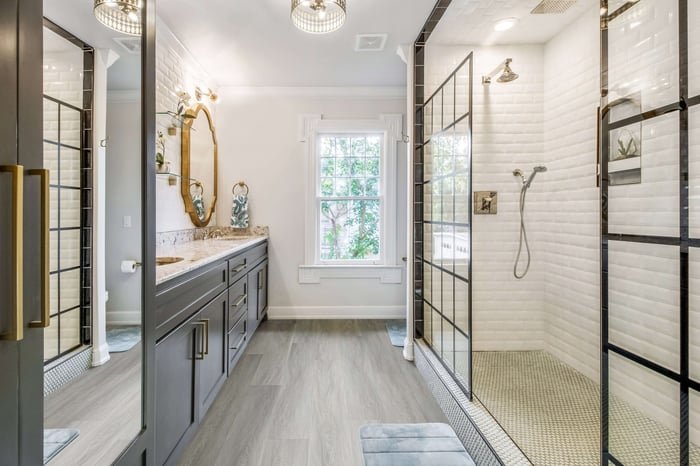
When it comes to bathroom renovations, many homeowners immediately think of ceramic or porcelain tile for their floors. However, tile isn’t the only option. There are several alternatives to tile bathroom flooring that offer durability, style, and even easier installation. Whether you’re seeking a warmer feel underfoot, a more budget-friendly solution, or simply want to try something different, exploring these options can help you create a bathroom that fits your needs and personal taste.
In this guide, we’ll break down the most popular non-tile bathroom flooring materials, their pros and cons, and what to consider before making your choice. If you’re looking for a comprehensive overview of all your options, the Bathroom flooring buyer’s guide is a great resource to consult as you plan your project.
Why Consider Non-Tile Bathroom Flooring?
Traditional tile is popular for its water resistance and classic look, but it’s not always the best fit for every home or budget. Some homeowners find tile cold and hard underfoot, while others want a faster or less expensive installation. Modern bathroom flooring alternatives can mimic the look of tile or wood, provide better comfort, and even improve slip resistance. With advances in materials, you don’t have to sacrifice style or durability when choosing a different path.
For those interested in how long each material lasts, check out how long does bathroom flooring last for a breakdown by type.
Luxury Vinyl Plank (LVP) and Vinyl Sheet Flooring
Luxury vinyl plank and vinyl sheet flooring have become leading choices for bathrooms. These materials are engineered to resist water, are easy to clean, and come in a variety of styles that can mimic wood, stone, or tile. LVP, in particular, offers a realistic wood look with the resilience needed for damp environments.
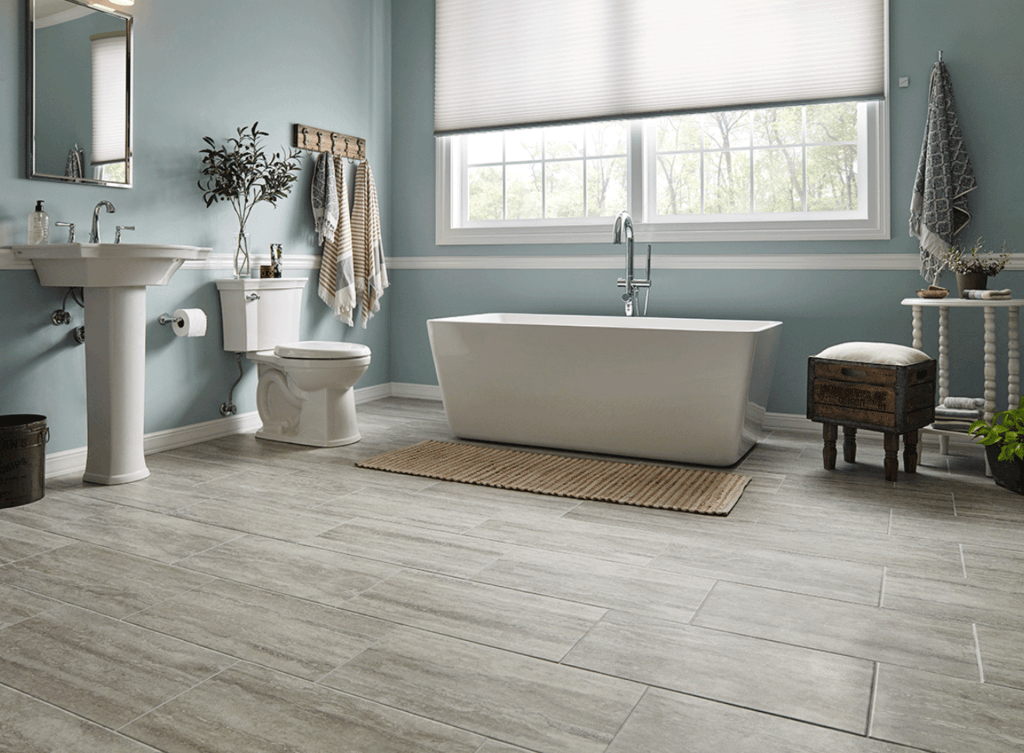
Key benefits of vinyl plank and sheet flooring include:
- Waterproof and highly resistant to moisture
- Soft and warm underfoot compared to tile
- Wide range of design choices
- Simple DIY installation, especially with peel-and-stick options
- Budget-friendly
For those considering updating an existing tile floor, see the layering vinyl over tile in bathroom guide for practical tips.
Engineered Wood and Waterproof Laminate
Wood floors have a natural warmth and beauty, but traditional hardwood isn’t suitable for wet areas. Instead, engineered wood and waterproof laminate products are designed to handle humidity and occasional splashes. These floors feature a core that resists swelling and a top layer that mimics real wood grain.
While not as water-resistant as vinyl, modern engineered wood and laminate options are suitable for powder rooms or bathrooms with good ventilation. Look for products specifically labeled as waterproof or water-resistant for best results.
- Offers a genuine wood look and feel
- Easy to install with click-lock systems
- More comfortable than tile
- Requires careful sealing at seams and edges
Keep in mind that standing water can still damage these floors, so prompt cleanup is important.
Concrete and Microcement Finishes
For a modern, minimalist look, concrete and microcement are gaining traction in bathroom design. These materials create a seamless, industrial-style surface that’s both waterproof and easy to clean. Microcement is a thin, troweled-on coating that can be applied over existing floors, making it a good choice for renovations.
Advantages of concrete and microcement include:
- Completely seamless surface—no grout lines
- Highly durable and water-resistant when sealed
- Customizable with pigments and textures
- Works well with radiant floor heating
However, these floors can be hard underfoot and may require professional installation for best results.
Sheet Linoleum and Cork Flooring
Linoleum is a classic resilient flooring made from natural materials like linseed oil and cork dust. Modern sheet linoleum is water-resistant and eco-friendly, making it a solid choice for bathrooms. Cork flooring, when properly sealed, also offers a soft, warm feel and natural antimicrobial properties.
Considerations for linoleum and cork:
- Eco-friendly and renewable materials
- Comfortable underfoot
- Requires sealing to prevent water damage
- Available in a range of colors and patterns
Linoleum is best installed as a sheet to minimize seams, while cork tiles or planks should be sealed after installation.

Other Creative Options for Bathroom Floors
Beyond the most common alternatives, there are a few more creative choices to consider:
- Rubber flooring: Soft, slip-resistant, and available in rolls or tiles. Great for kids’ bathrooms or home gyms.
- Painted or epoxy-coated floors: Concrete or wood subfloors can be painted with waterproof floor paint or coated with epoxy for a custom look.
- Natural stone alternatives: While not technically tile, large-format stone slabs or pebble mosaics can create a spa-like atmosphere.
Each of these options has its own maintenance needs and installation requirements, so research carefully before committing.
How to Choose the Right Bathroom Flooring Material
Selecting the best floor for your bathroom depends on your priorities. Consider the following factors:
- Moisture resistance: Choose materials that can handle splashes and humidity.
- Comfort: Some floors are softer and warmer than others.
- Style: Look for colors and textures that fit your design vision. For inspiration, see best neutral bathroom flooring colors.
- Maintenance: Some surfaces require more care or resealing over time.
- Budget: Costs can vary widely, so compare installation and material prices. For cost-effective ideas, see most affordable bathroom flooring.
For a detailed comparison, the bathroom flooring buying guide from DIY.com offers practical advice on selecting the right material for your space.
Frequently Asked Questions
What is the most waterproof alternative to tile for bathrooms?
Luxury vinyl plank and vinyl sheet flooring are among the most waterproof options available. These materials are designed to withstand standing water and high humidity, making them ideal for bathrooms.
Can you install vinyl or laminate over existing tile?
Yes, many vinyl and laminate products can be installed directly over existing tile if the surface is clean, level, and in good condition. For step-by-step instructions, refer to the layering vinyl over tile in bathroom guide.
Are non-tile bathroom floors easy to maintain?
Most modern alternatives are designed for easy maintenance. Vinyl, laminate, and sealed concrete require only regular sweeping and occasional mopping. Linoleum and cork may need periodic resealing to maintain their water resistance.
Which alternative is best for a warm, comfortable feel?
Cork and vinyl plank flooring are both softer and warmer underfoot compared to tile or concrete, making them excellent choices for comfort.
Conclusion
There are many alternatives to tile bathroom flooring that can deliver the look, feel, and performance you want. From waterproof vinyl to eco-friendly linoleum and stylish concrete, today’s options make it easier than ever to design a bathroom that’s both functional and beautiful. Take the time to compare materials, consider your household’s needs, and don’t hesitate to consult expert guides to ensure your new floor stands the test of time.