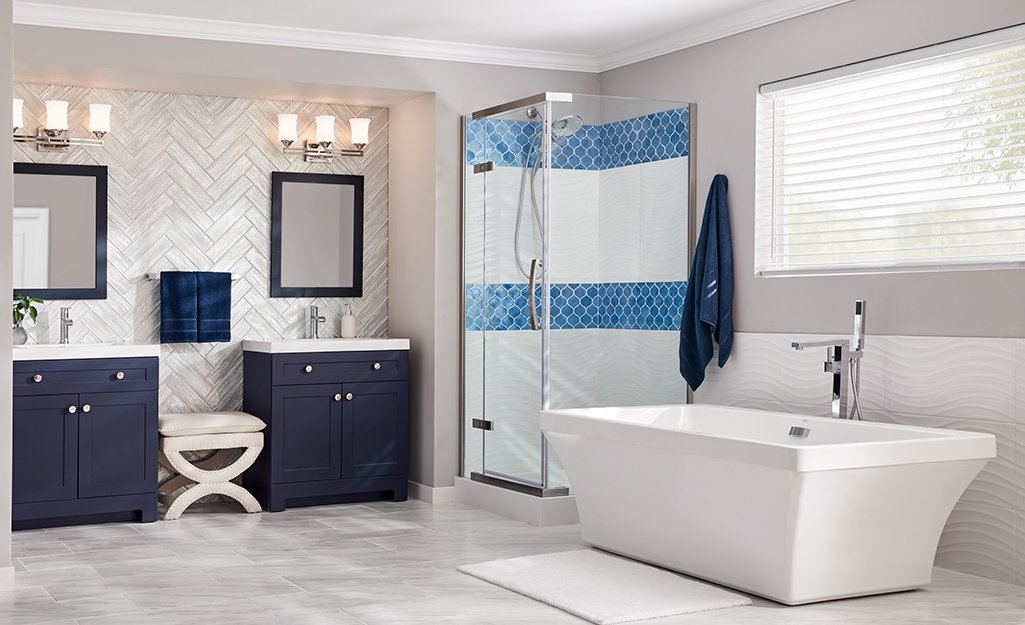
When updating a bathroom, the decision about which grout shade to use with your floor tiles can have a major impact on the room’s overall appearance and feel. Choosing grout color for tile floor projects is more than just a finishing touch—it can define the style, highlight patterns, and even affect how easy your floor is to maintain. With so many options available, it’s important to understand how grout color interacts with tile, lighting, and your personal taste.
Before you make your choice, it’s helpful to consider the practical and aesthetic effects of different grout shades. Whether you want a seamless look, a bold contrast, or something that hides dirt and stains, the right grout can help you achieve your design goals. For a comprehensive overview of flooring materials and considerations, the Bathroom flooring buyer’s guide offers valuable insights for homeowners.
Understanding the Role of Grout in Bathroom Design
Grout is more than just a filler between tiles. It stabilizes the floor, prevents water from seeping beneath the tiles, and contributes to the overall look of your bathroom. The color you select can either blend in with your tiles for a subtle effect or stand out to create a striking pattern.
When selecting grout color for tile floors, think about how the grout will interact with your tile’s color, size, and pattern. Lighter grout can make a space feel larger and more open, while darker grout can add definition and hide stains. The choice depends on your design vision and practical needs.
Factors to Consider When Picking Grout Shades
Several elements influence which grout color will work best for your bathroom floor:
- Tile Color and Pattern: Neutral tiles often pair well with matching or slightly contrasting grout. Patterned or mosaic tiles may benefit from a grout that highlights their design.
- Room Size and Lighting: Small bathrooms with limited natural light may feel brighter with light-colored grout, while larger spaces can handle bold contrasts.
- Maintenance: Lighter grout can show dirt and mildew more easily, requiring more frequent cleaning. Darker grout is better at hiding stains but may fade over time if exposed to harsh cleaners.
- Style Preferences: Decide if you want your floor to look seamless or if you’d like to emphasize the tile layout with contrasting grout lines.

Popular Grout Color Strategies for Tile Floors
There are three main approaches to choosing grout color for tile floor installations:
- Matching Grout: Using a grout shade similar to the tile creates a unified, seamless look. This is ideal for modern, minimalist bathrooms or when you want the tile pattern to be subtle.
- Contrasting Grout: Selecting a grout color that stands out from the tile highlights the shape and layout of each tile. This is popular with geometric or subway tile patterns and can add visual interest to the floor.
- Neutral Grout: Gray and beige tones are versatile options that work with most tile colors. They offer a balance between hiding dirt and not overpowering the tile design.
For inspiration on trending bathroom floor styles, explore this gallery of bathroom flooring styles and trends from design experts.
How Grout Color Affects Maintenance and Durability
Maintenance is a key consideration when picking grout for your bathroom floor. Lighter shades can brighten a room but may require more cleaning to keep them looking fresh. Darker grout is less likely to show stains but can fade if exposed to strong cleaning agents or sunlight.
To extend the life of your bathroom floor, use a quality grout sealer and clean spills promptly. For more on durability and care, see how long does bathroom flooring last by material.

Coordinating Grout with Flooring Trends and Materials
Today’s bathroom floors come in a range of materials, from classic ceramic and porcelain to luxury vinyl and natural stone. Each material interacts differently with grout:
- Ceramic and Porcelain: These tiles offer the most flexibility with grout color, as they come in many shades and patterns.
- Natural Stone: Grout color can highlight the unique veining and texture of stone tiles. Neutral or earth-toned grout often works best.
- Vinyl Tiles: Many vinyl options mimic the look of wood or stone. Choose a grout color that complements the pattern for a realistic effect. For more ideas, see layering vinyl over tile in bathroom for practical installation tips.
For those seeking a timeless look, best neutral bathroom flooring colors can help you select shades that will stay stylish for years to come.
Tips for Testing and Finalizing Your Grout Selection
Before making a final decision, it’s wise to test grout samples alongside your tile. Many tile retailers offer sample sticks or small packets of grout so you can see how different shades look in your bathroom’s lighting. Place samples on the floor next to your tiles and observe them at different times of day.
Consider these tips:
- Check how grout color changes under both natural and artificial light.
- Think about long-term maintenance and how much cleaning you’re willing to do.
- If you’re unsure, opt for a mid-tone gray or beige, which tends to be forgiving and versatile.
For those on a budget, most affordable bathroom flooring options can help you achieve a stylish look without overspending.
Frequently Asked Questions
Should Grout Be Lighter or Darker Than Tile?
There’s no single rule—lighter grout creates a seamless, airy look, while darker grout emphasizes the tile pattern and hides stains. Choose based on your style preference and how much maintenance you’re comfortable with.
Does Grout Color Affect Bathroom Size Perception?
Yes, lighter grout can make a small bathroom feel larger and brighter, while darker grout can add definition and make the space feel cozier. Consider your room’s size and lighting when making your choice.
How Do I Keep Grout Looking Clean?
Seal your grout after installation and clean it regularly with a pH-neutral cleaner. Avoid harsh chemicals that can cause discoloration, especially with darker grout shades.
Can I Change Grout Color After Installation?
It’s possible to change grout color using grout colorants or stains, but it’s more labor-intensive than choosing the right shade from the start. If you’re unsure, test samples before committing.
Conclusion
Making the right choice for your bathroom floor grout can enhance your tile’s beauty, simplify cleaning, and ensure your space feels just right. By considering tile color, lighting, maintenance, and design trends, you’ll find a grout shade that complements your style and stands the test of time. Take the time to test samples and consult with professionals if needed—your bathroom floor will thank you for it.