Indoor air quality is a growing concern for homeowners, builders, and anyone interested in healthy living spaces. Many traditional construction products contain chemicals that can off-gas into the air, affecting comfort and well-being. Understanding the low VOC building materials meaning is essential for making informed choices that support a safer, healthier indoor environment.
As awareness of environmental and health impacts increases, more people are seeking out materials that minimize harmful emissions. This guide explains what low VOC means, why it matters, and how to identify and use these products in your next project. You’ll also find practical examples and resources to help you create spaces that are both sustainable and comfortable.
For those interested in energy-efficient options, you may also want to explore thermal efficient construction materials to further enhance comfort and sustainability in your building projects.
What Are VOCs and Why Should You Care?
VOCs, or volatile organic compounds, are chemicals that easily evaporate at room temperature. They are commonly found in paints, adhesives, sealants, flooring, and other building products. When released indoors, VOCs can contribute to poor air quality, causing symptoms such as headaches, dizziness, respiratory irritation, and even long-term health risks with prolonged exposure.
Some of the most common VOCs include formaldehyde, benzene, toluene, and xylene. These substances are not only harmful to people but can also contribute to outdoor air pollution when released in large quantities. Reducing VOCs in construction and renovation helps protect both human health and the environment.
Defining Low VOC Building Materials
The low VOC building materials meaning refers to products that emit significantly fewer volatile organic compounds compared to conventional alternatives. These materials are designed and manufactured to limit the release of harmful chemicals into the air, making them a safer choice for indoor environments.
Low VOC products are often labeled or certified by independent organizations. Standards for what qualifies as “low” can vary, but generally, these materials must meet strict emission limits set by regulatory agencies or green building programs. Some common certifications include GREENGUARD, FloorScore, and Green Seal.
Benefits of Choosing Low VOC Options
- Improved Indoor Air Quality: Reducing chemical emissions helps create a healthier living or working space, especially important for children, seniors, and those with allergies or asthma.
- Environmental Responsibility: Using low-emission materials supports sustainable building practices and reduces the overall environmental footprint.
- Compliance with Green Standards: Many green building certifications, such as LEED, require or reward the use of low VOC products. For more information, see the LEED certified materials list.
- Odor Reduction: Products with fewer VOCs often have less noticeable odors, making spaces more pleasant during and after construction.
Common Types of Low VOC Building Materials
There is a wide range of construction products available that meet low emission standards. Here are some of the most popular categories:
- Paints and Finishes: Look for water-based or natural paints labeled as low VOC or zero VOC.
- Flooring: Bamboo, cork, linoleum, and certain engineered wood floors are available in low-emission varieties.
- Adhesives and Sealants: Many manufacturers now offer low VOC glues and caulks for flooring, tile, and general construction.
- Insulation: Options like fiberglass, mineral wool, and cellulose can be found with reduced chemical content.
- Wall Materials: Gypsum board, plaster, and even some types of concrete can be produced with low VOC additives.
How to Identify and Select Low VOC Products
When shopping for building materials, look for clear labeling and third-party certifications that verify low emissions. Some tips for making the right choice include:
- Check for certifications like GREENGUARD, FloorScore, or Green Seal on packaging or product literature.
- Review the Safety Data Sheet (SDS) for VOC content, typically listed in grams per liter (g/L).
- Ask suppliers or contractors about the VOC levels of their recommended products.
- Choose water-based over solvent-based products whenever possible.
- Consider natural or bio-based materials, which often have inherently lower emissions.
For a deeper dive into sustainable options, you can read about sustainable building materials and their benefits in modern construction.
Innovative Examples of Low Emission Materials
Advances in technology and design have led to a new generation of eco-friendly products. Here are a few notable examples:
- Bamboo Flooring: Fast-growing and renewable, bamboo is available in low VOC finishes and adhesives.
- Fiberglass Insulation: Modern fiberglass rolls are often formaldehyde-free and certified for low emissions.
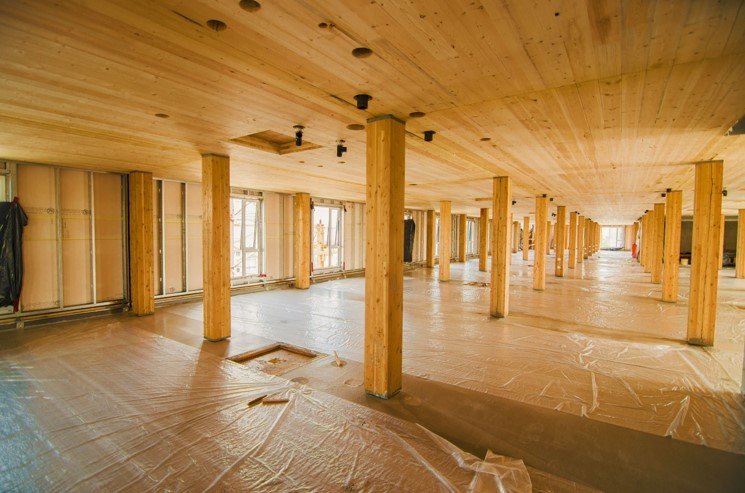
- Mass Timber: Engineered wood products like cross-laminated timber (CLT) use adhesives that meet strict VOC standards.
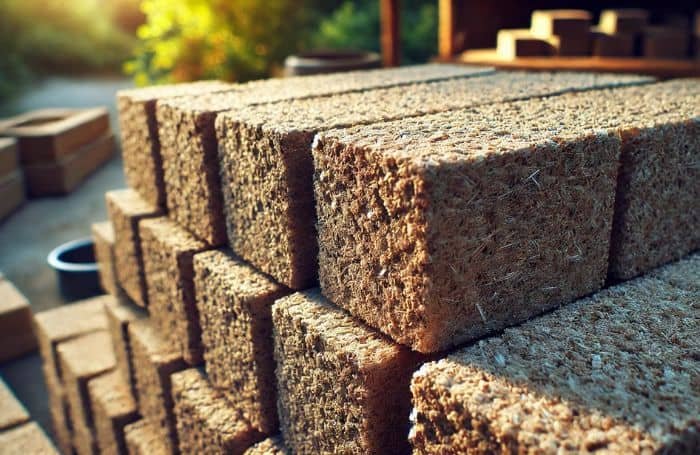
- Hempcrete: A bio-based alternative to concrete, hempcrete is naturally low in chemical emissions and offers excellent insulation.
Tips for Creating a Healthier Indoor Environment
Beyond selecting low emission materials, there are other steps you can take to support indoor air quality:
- Ensure proper ventilation during and after construction or renovation.
- Allow new materials to off-gas in a well-ventilated area before installation, if possible.
- Maintain regular cleaning to reduce dust and allergens that can interact with VOCs.
- Use air purifiers with activated carbon filters to help remove airborne chemicals.
Combining these practices with the use of low emission products will maximize the benefits for your home or workspace.
Low VOC Materials and Green Building Certifications
Many green building programs, such as LEED, WELL, and BREEAM, include requirements or incentives for using products with reduced chemical emissions. Choosing these materials can help projects earn points toward certification and demonstrate a commitment to occupant health and sustainability.
For those interested in broader sustainable practices, resources like the green building certification materials guide can offer further insights into eco-friendly construction choices.
FAQ: Low VOC Building Materials
What does “low VOC” mean in building materials?
Low VOC refers to products that emit fewer volatile organic compounds compared to standard options. These materials are designed to minimize the release of harmful chemicals into indoor air, supporting healthier living and working environments.
Are low VOC materials more expensive?
While some low emission products may have a higher upfront cost, prices have become more competitive as demand grows. The long-term benefits to health and indoor air quality often outweigh any initial price difference.
How can I be sure a product is truly low VOC?
Look for third-party certifications such as GREENGUARD, FloorScore, or Green Seal. Review the product’s Safety Data Sheet for VOC content, and consult with suppliers about their testing and certification processes.
Can low VOC materials be used in all types of construction?
Yes, there are low emission options available for nearly every aspect of construction, from paints and adhesives to flooring and insulation. These products can be used in residential, commercial, and institutional projects alike.
Conclusion
Understanding the low VOC building materials meaning empowers you to make choices that benefit both your health and the environment. By selecting certified products, ensuring proper ventilation, and staying informed about new innovations, you can create indoor spaces that are safer, more comfortable, and aligned with modern sustainability standards. Whether you’re renovating a single room or planning a new build, prioritizing low emission materials is a practical step toward breathing easier indoors.