Bathrooms are naturally humid spaces, making them especially vulnerable to mold growth. For homeowners, understanding how to prevent mold in these areas is essential for maintaining a healthy living environment and protecting your property. Mold not only causes unsightly stains and unpleasant odors but can also trigger allergies and respiratory issues. By learning the right strategies and habits, you can significantly reduce the risk of mold developing in your bathroom.
This article explores practical steps for mold prevention in bathrooms, including ventilation improvements, cleaning routines, and smart design choices. Whether you’re renovating or simply want to keep your current bathroom mold-free, these tips will help you create a safer, fresher space.
Before diving into specific prevention techniques, it’s important to consider the layout and features of your bathroom. If you’re planning a remodel, measuring bathroom space correctly can help you design a room that minimizes moisture buildup and supports better airflow.
Why Bathrooms Are Prone to Mold
The combination of frequent water use, warm temperatures, and limited ventilation makes bathrooms a prime location for mold. Showers, baths, and sinks all contribute to high humidity, while tight spaces and poor air circulation allow moisture to linger. Mold spores thrive in these damp conditions, quickly colonizing grout, caulking, ceilings, and even painted walls.
Common signs of mold in bathrooms include black or green spots on tiles, musty odors, and peeling paint. Addressing these issues early is crucial, but prevention is always the best approach.
Key Strategies for Mold Prevention in Bathrooms
To keep your bathroom free from mold, focus on reducing moisture and improving air quality. Here are the most effective methods:
Enhance Ventilation and Airflow
- Install or upgrade exhaust fans: A high-quality exhaust fan removes humid air after showers and baths. Run the fan during and for at least 20 minutes after bathing.
- Open windows when possible: If your bathroom has a window, open it to allow fresh air to circulate and help dry out surfaces.
- Leave doors open: Keeping the bathroom door open after use allows moisture to escape, especially in smaller homes.
Control Humidity and Moisture
- Wipe down wet surfaces: After using the shower or bath, quickly dry tiles, glass doors, and fixtures with a squeegee or towel.
- Fix leaks promptly: Even a small drip under the sink or a loose faucet can create enough moisture for mold to grow. Inspect plumbing regularly and repair leaks as soon as they appear.
- Use a dehumidifier: In bathrooms without windows or with persistent humidity, a compact dehumidifier can help maintain optimal moisture levels.
Choose Mold-Resistant Materials
When renovating or updating your bathroom, select materials designed to resist mold and mildew:
- Mold-resistant drywall: Also known as green board, this product is less susceptible to moisture damage than standard drywall.
- Waterproof paint: Specialized bathroom paints contain antimicrobial agents that inhibit mold growth on walls and ceilings.
- Non-porous surfaces: Glass, porcelain, and glazed tiles are easier to clean and less likely to harbor mold than unsealed grout or natural stone.
For more inspiration on affordable upgrades, check out these cheap bathroom makeover ideas that can also help reduce mold risks.
Cleaning Habits That Stop Mold Before It Starts
Regular cleaning is one of the most effective ways to prevent mold in bathrooms. Establish a routine that targets the most vulnerable areas:
- Scrub grout and caulk: Use a brush and a solution of vinegar or hydrogen peroxide to clean grout lines and caulking weekly.
- Wash shower curtains and mats: Fabric items can trap moisture and develop mold. Wash or replace them regularly.
- Empty and dry caddies: Soap dishes, shower caddies, and organizers should be cleaned and dried to prevent water buildup.
Consider using a stainless steel adhesive caddy to keep toiletries organized and allow water to drain away, reducing mold risk.
Smart Design Choices to Minimize Mold
Thoughtful design can make a big difference in keeping your bathroom dry and mold-free. Here are some tips:
- Opt for walk-in showers: These designs allow for better airflow and are easier to clean than enclosed tubs.
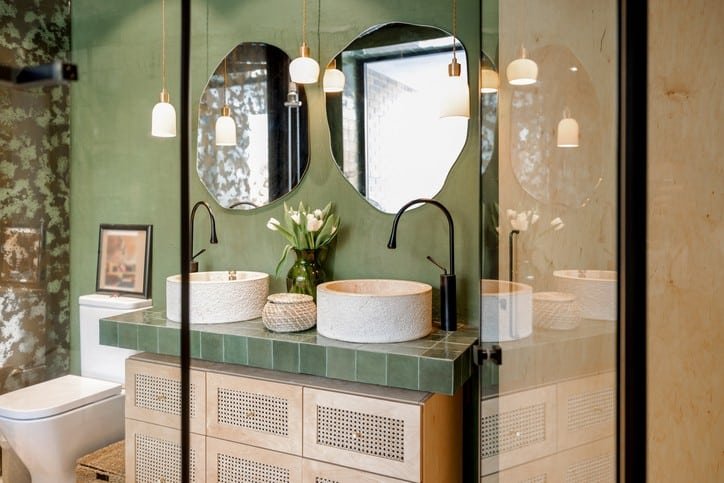
- Install floating vanities: Wall-mounted vanities make it easier to clean underneath and reduce hidden moisture traps.
- Use open shelving: Open shelves dry faster than closed cabinets, lowering the chance of trapped humidity.
- Choose the right sink: Selecting the best bathroom sink styles can also help with water drainage and cleaning.
For more on planning a functional and healthy bathroom, see this comprehensive bathroom planning guide from the Federation of Master Builders.
Frequently Asked Questions
How often should I clean my bathroom to prevent mold?
It’s best to clean high-moisture areas like showers, tubs, and sinks at least once a week. Grout and caulking should be scrubbed regularly, and any visible mold should be addressed immediately.
What is the best way to ventilate a bathroom without a window?
If your bathroom lacks a window, a powerful exhaust fan is essential. Run the fan during and after showers, and consider leaving the door open to improve airflow. A small dehumidifier can also help reduce moisture levels.
Are there any natural solutions for mold prevention?
Yes, natural cleaners like vinegar and baking soda are effective for regular cleaning and can inhibit mold growth. Keeping surfaces dry and using essential oils with antifungal properties, such as tea tree oil, can also help.
Conclusion
Maintaining a mold-free bathroom is achievable with the right habits and design choices. By focusing on ventilation, moisture control, and regular cleaning, you can protect your home and your health. Whether you’re updating your space or simply improving your routine, these strategies for mold prevention in bathrooms will help you enjoy a cleaner, safer environment for years to come.