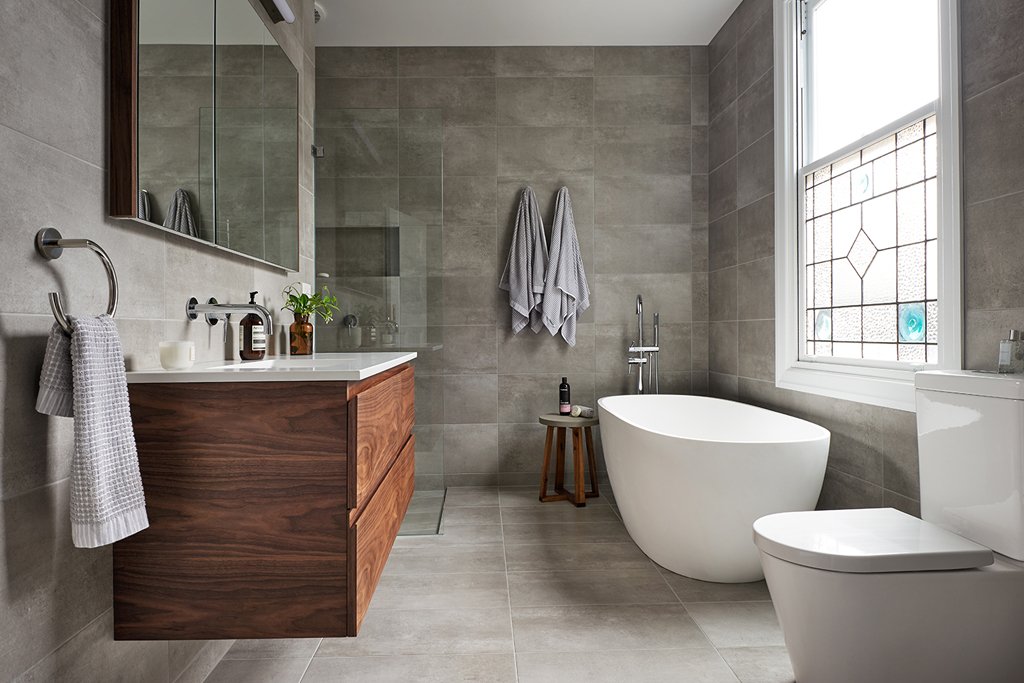
Planning a bathroom remodel involves more than just picking out stylish fixtures. The materials you choose for each surface and feature will determine not only the look, but also the durability, safety, and maintenance needs of your new space. This bathroom renovation materials guide breaks down the best options for floors, walls, showers, vanities, and more—helping you make informed decisions for every part of your project.
Whether you’re aiming for a spa-like retreat or a practical family washroom, understanding the pros and cons of different materials is essential. From water resistance and slip safety to ease of cleaning and cost, this article covers what to use and where, so you can create a bathroom that stands the test of time. For those working with unique layouts, you might also find inspiration in attic bathroom design ideas for sloped spaces.
Choosing the Right Flooring for Your Bathroom
Flooring is one of the most critical choices in any bathroom update. It must handle moisture, frequent cleaning, and heavy foot traffic. Here are some of the top materials to consider:
- Porcelain or Ceramic Tile: These tiles are highly water-resistant, durable, and available in a huge range of colors and patterns. Textured finishes help prevent slips, making them a safe choice for families.
- Natural Stone: Options like marble, slate, and granite offer a luxurious look, but require sealing to prevent stains and water damage. Stone can be slippery when wet, so opt for honed or textured finishes.
- Vinyl: Modern luxury vinyl planks and tiles mimic the look of wood or stone, are budget-friendly, and boast excellent water resistance. They’re also softer underfoot than tile or stone.
- Engineered Wood: While solid hardwood isn’t recommended for wet areas, engineered wood with a water-resistant core can be used in low-moisture bathrooms, but extra care is needed to prevent water pooling.
For those seeking affordable upgrades, check out these cheap bathroom makeover ideas that can refresh your space without a full overhaul.
Wall Materials: Tiles, Panels, and Paint
Bathroom walls face constant exposure to humidity and splashes. The right materials will protect against mold and stains while adding style:
- Ceramic and Porcelain Tile: Classic and versatile, tiles are ideal for wet zones like showers and backsplashes. Large-format tiles reduce grout lines, making cleaning easier.
- Glass Tile: Reflective and modern, glass tiles add brightness and visual interest, especially as accents or feature walls.
- Waterproof Wall Panels: Acrylic or PVC panels offer seamless protection, are easy to install, and require minimal maintenance. They’re perfect for shower surrounds.
- Mildew-Resistant Paint: For dry areas, high-quality, mold-resistant paint provides a cost-effective and customizable finish. Always use a primer designed for bathrooms.
When planning your remodel, don’t forget the importance of measuring bathroom space correctly to ensure your chosen materials fit perfectly and avoid costly mistakes.
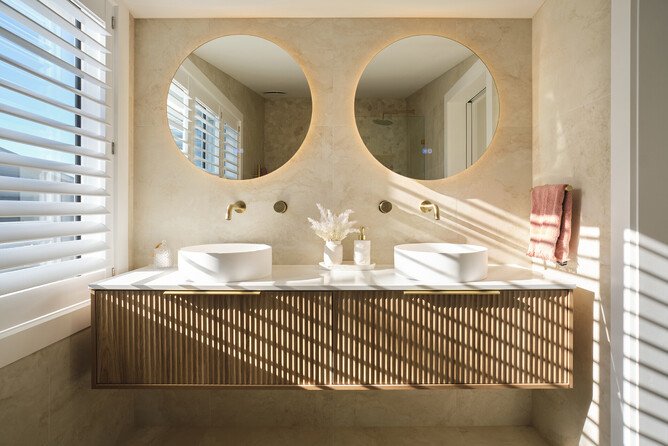
Shower and Tub Surrounds: Waterproofing and Style
Showers and tubs are exposed to the most water in any bathroom. Selecting the right materials here is essential for both longevity and aesthetics:
- Porcelain or Ceramic Tile: Still the most popular choice, these tiles are easy to clean and come in endless designs. Use waterproof grout and proper sealing for best results.
- Solid Surface Panels: Made from acrylic, resin, or composite stone, these panels are seamless and low-maintenance. They’re ideal for contemporary bathrooms and quick installations.
- Natural Stone Slabs: For a high-end look, stone slabs like marble or granite create a luxurious, spa-like feel. They require professional installation and regular sealing.
- Glass: Frameless glass surrounds give a modern, open look and are easy to wipe down, but require regular cleaning to prevent water spots.
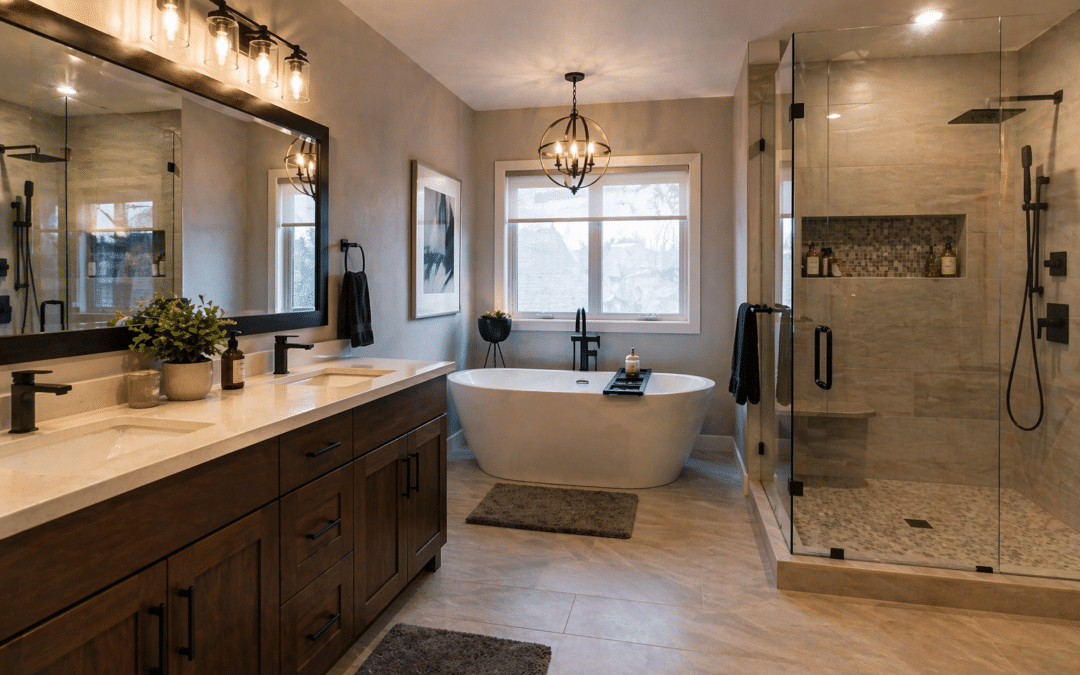
For more inspiration on primary ensuite upgrades, see the image below and consider how your material choices can transform the overall feel of your space.
Vanities, Countertops, and Sinks: Material Options
The right materials for your vanity and countertop will impact both function and style. Here are some popular choices:
- Quartz: Engineered quartz is non-porous, stain-resistant, and available in a wide range of colors. It’s a top pick for busy bathrooms.
- Granite: Durable and unique, granite countertops require periodic sealing but offer natural beauty and long-lasting performance.
- Solid Surface: Acrylic-based solid surfaces are seamless, easy to repair, and come in many colors. They’re ideal for integrated sinks.
- Ceramic or Porcelain: Tile countertops are budget-friendly and customizable, but grout lines require extra maintenance.
- Glass: Tempered glass sinks and countertops are modern and easy to clean, but can show water spots.
When selecting a sink, consider both material and style. For a breakdown of different basin designs and their pros and cons, see the guide to bathroom sink styles.
Storage and Accessories: Blending Function and Design
Smart storage solutions and accessories can make your bathroom more organized and enjoyable. Choose materials that resist moisture and are easy to clean:
- Laminate or Thermofoil Cabinets: Affordable and available in many finishes, these cabinets are moisture-resistant and easy to maintain.
- Solid Wood (Sealed): For a classic look, solid wood cabinets with a high-quality sealant can work well, but require vigilance against water damage.
- Stainless Steel: For accessories like towel bars, caddies, and shelving, stainless steel resists rust and is easy to wipe down.
- Glass: Glass shelves and organizers add a touch of elegance and are simple to keep clean.
For creative ways to add storage without sacrificing style, explore medicine cabinet ideas that blend practicality with design.
Waterproofing and Underlayment: The Hidden Essentials
Even the best surface materials can fail if what’s underneath isn’t properly protected. Investing in quality waterproofing and underlayment is crucial for a long-lasting renovation:
- Cement Backer Board: Used behind tile in showers and wet areas, this material resists mold and won’t deteriorate like drywall.
- Waterproof Membranes: Sheet or liquid membranes provide a barrier against leaks, especially in showers and around tubs.
- Proper Underlayment: For floors, use moisture-resistant underlayment to prevent warping and mold growth.
Don’t overlook these hidden layers—they’re the foundation for a successful, low-maintenance bathroom.
Balancing Budget, Style, and Maintenance
When selecting materials, consider your budget, desired look, and willingness to maintain surfaces over time. Some materials, like natural stone, offer unmatched beauty but require more care. Others, like porcelain tile and quartz, balance style with practicality and ease of cleaning.
For a comprehensive breakdown of remodeling steps and more material comparisons, see this complete bathroom remodel guide from industry experts.
FAQ: Common Questions About Bathroom Renovation Materials
What is the most durable flooring for bathrooms?
Porcelain and ceramic tiles are generally considered the most durable and water-resistant flooring options for bathrooms. Luxury vinyl is also a strong contender for its resilience and comfort underfoot.
How do I prevent mold and mildew on bathroom walls?
Use mildew-resistant paint in dry areas and opt for tile or waterproof panels in wet zones. Ensure proper ventilation and consider adding an exhaust fan to keep humidity in check.
Are natural stone surfaces worth the investment?
Natural stone offers unique beauty and can increase home value, but it requires regular sealing and more maintenance than engineered materials. If you love the look and are prepared for the upkeep, it can be a worthwhile choice.
What’s the best countertop material for a busy family bathroom?
Quartz is a top pick for family bathrooms due to its non-porous, stain-resistant surface and low maintenance requirements. Solid surface and granite are also good options.
Can I use wood in a bathroom?
Wood can be used for vanities and cabinetry if it’s properly sealed and maintained. Avoid using wood in areas with direct water exposure, and always ensure good ventilation to prevent warping or mold.
With so many choices available, the key to a successful remodel is selecting materials that fit your lifestyle, budget, and design vision. By following the advice in this bathroom renovation materials guide, you’ll be well-equipped to create a space that’s both beautiful and built to last.