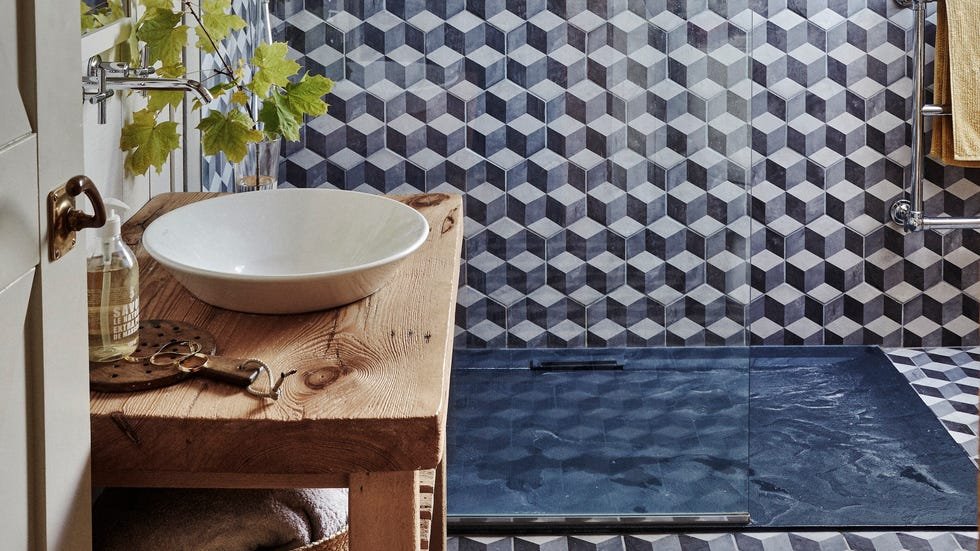
Choosing the perfect sink for your bathroom can have a significant impact on both the functionality and overall look of your space. With so many bathroom sink styles available, it’s easy to feel overwhelmed by the options. From sleek modern basins to classic pedestal designs, the right choice will depend on your needs, your space, and your personal taste.
In this guide, we’ll break down the most popular types of sinks, highlight their pros and cons, and offer practical tips to help you select a model that fits your lifestyle. Whether you’re renovating a master bath or updating a powder room, understanding the different options will help you make a confident decision. For those interested in sustainable choices, you might also want to explore best sustainable materials for home construction to complement your bathroom project.
Understanding the Main Types of Bathroom Sinks
Before diving into specific bathroom sink styles, it’s helpful to understand the main categories. Each type offers unique benefits and design possibilities.
- Pedestal Sinks: These classic sinks feature a basin supported by a single column. They’re ideal for small bathrooms where space is at a premium, offering a timeless look without taking up much floor area.
- Vessel Sinks: Sitting on top of the vanity, vessel sinks are often bowl-shaped and create a striking focal point. They come in a variety of materials, including glass, porcelain, and stone.
- Undermount Sinks: Installed beneath the countertop, undermount models provide a seamless appearance and make countertop cleaning easy. They’re popular in modern and minimalist spaces.
- Drop-In Sinks: Also known as self-rimming, these sinks are set into a hole in the countertop with a visible rim. They’re easy to install and replace, making them a practical choice for many homeowners.
- Wall-Mounted Sinks: Attached directly to the wall, these sinks free up floor space and are great for compact bathrooms or accessible designs.
- Console Sinks: Combining the elegance of a pedestal with the practicality of a countertop, console sinks are supported by legs or brackets and often include space for toiletries.
Key Factors to Consider When Selecting a Sink
With so many bathroom sink options to choose from, it’s important to evaluate your specific needs. Here are some essential factors to keep in mind:
- Space: Measure your bathroom carefully. For small rooms, wall-mounted or pedestal sinks can maximize open space, while larger bathrooms can accommodate double vanities or statement vessel sinks.
- Usage: Consider who will be using the sink. Busy family bathrooms benefit from durable, easy-to-clean materials, while powder rooms can prioritize style over heavy-duty function.
- Storage Needs: If you need extra storage, look for vanities with built-in cabinets or shelves. Console and pedestal sinks offer less storage but can make a room feel more open.
- Plumbing: The location of existing plumbing may limit your choices. Wall-mounted sinks, for example, require plumbing to be routed through the wall.
- Style: Match the sink design to your overall bathroom aesthetic. Modern, traditional, rustic, or industrial—there’s a sink to suit every taste.
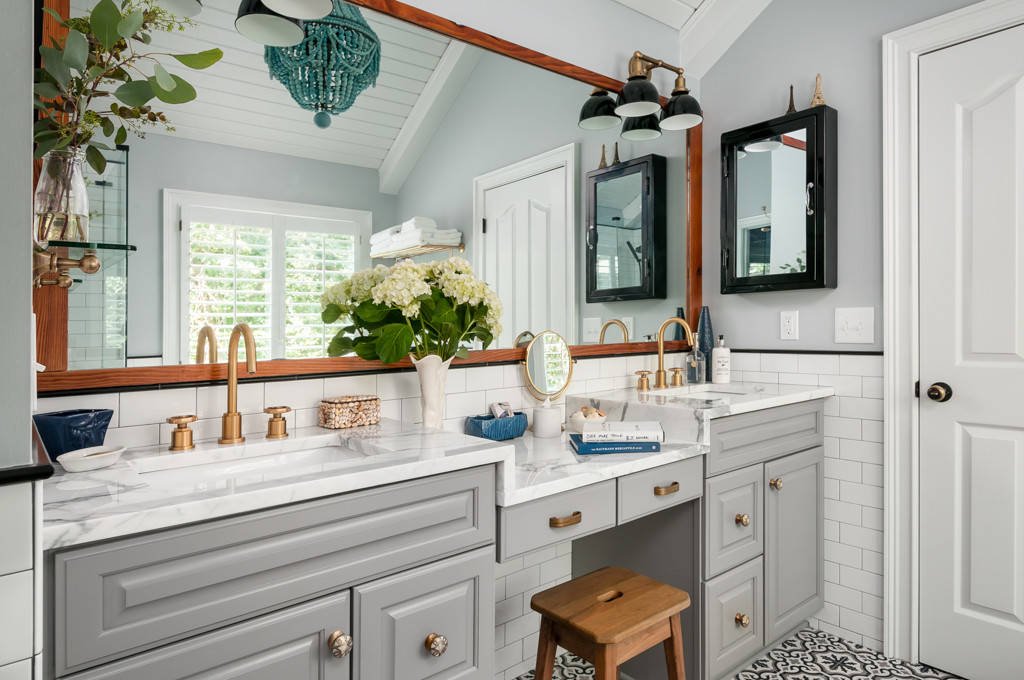
Popular Materials for Modern Bathroom Basins
The material you choose for your sink will influence both its appearance and durability. Here are some of the most common options:
- Porcelain: A classic choice, porcelain is durable, easy to clean, and available in a wide range of shapes and sizes.
- Glass: Often used for vessel sinks, glass creates a contemporary look. Tempered glass is strong, but it can show water spots and fingerprints.
- Stone: Marble, granite, and travertine sinks offer natural beauty and unique patterns. They require regular sealing to prevent stains.
- Metal: Stainless steel and copper sinks are durable and add a modern or industrial touch. Copper develops a natural patina over time.
- Solid Surface: Made from acrylic or resin composites, these sinks are seamless and can be integrated with countertops for a sleek look.
For those interested in eco-friendly options, consider sinks made from recycled materials or sustainable resources. You can learn more about sustainable building choices in our article on eco friendly prefab building materials.
Comparing Sink Installation Methods
The way your sink is installed affects both its appearance and practicality. Here’s a quick comparison of common installation methods:
| Installation Type | Pros | Cons |
|---|---|---|
| Undermount | Easy to clean, seamless look | Requires solid countertop, more complex installation |
| Drop-In | Simple installation, fits most countertops | Visible rim can collect grime |
| Wall-Mounted | Saves space, modern appearance | Limited storage, needs sturdy wall support |
| Vessel | Striking design, variety of materials | Can be harder to clean around base, may require taller faucet |
Design Trends in Bathroom Sink Styles
Current trends in bathroom design are influencing the popularity of certain sink types. Minimalist and spa-inspired spaces often feature undermount or vessel sinks with clean lines. Matte finishes, bold colors, and natural materials are also on the rise. For a timeless look, white porcelain and classic pedestal shapes remain favorites.
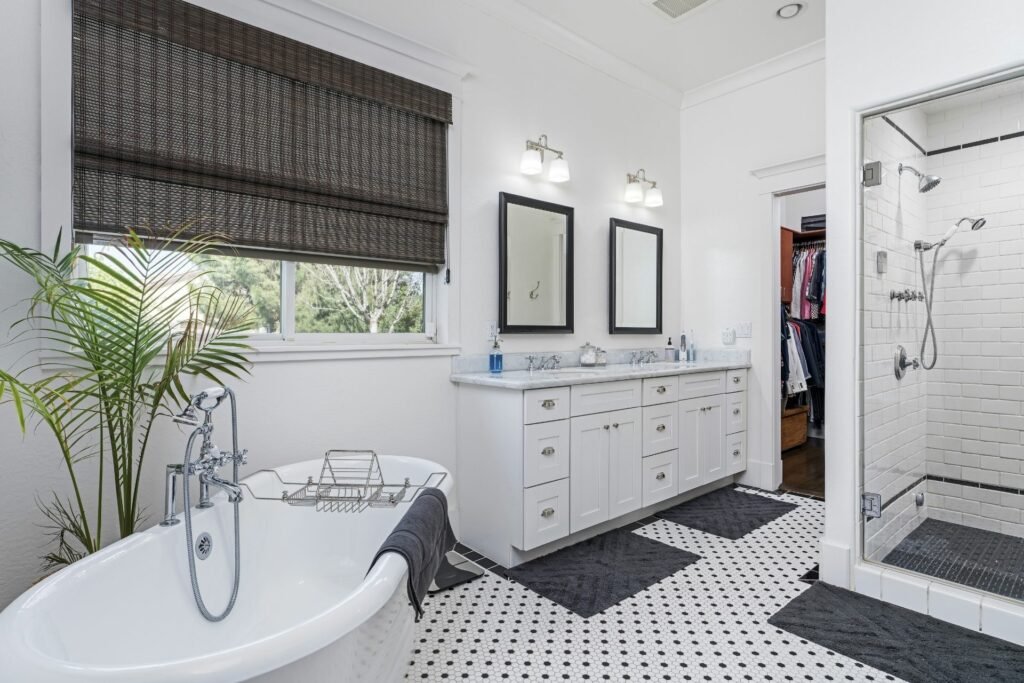
Tips for Matching Your Sink to Your Bathroom Style
When selecting a new sink, consider how it will coordinate with the rest of your bathroom. Here are a few practical tips:
- Modern Bathrooms: Choose sleek, geometric sinks in neutral colors or bold finishes. Undermount and vessel styles work well here.
- Traditional Spaces: Pedestal or console sinks with classic lines and white porcelain are a safe bet.
- Rustic or Farmhouse: Look for stone, copper, or apron-front sinks with natural textures.
- Small Bathrooms: Wall-mounted or corner sinks can help maximize space and keep the room feeling open.
For more inspiration and guidance on planning a full renovation, check out this comprehensive guide to planning the perfect bathroom renovation.
Frequently Asked Questions
What is the most durable material for a bathroom sink?
Porcelain and ceramic are among the most durable and low-maintenance materials. Stone sinks, such as granite or marble, are also strong but require more care to prevent staining. Stainless steel is another highly durable option, especially for modern designs.
How do I choose the right size sink for my bathroom?
Start by measuring your available space. For small bathrooms, compact pedestal or wall-mounted sinks are ideal. In larger bathrooms, you can opt for double vanities or larger vessel sinks. Always ensure there’s enough clearance for faucets and easy movement around the sink.
Are vessel sinks practical for everyday use?
Vessel sinks are stylish and make a bold statement, but they can be less practical in high-traffic bathrooms. They may splash more and require taller faucets. However, for powder rooms or guest baths, they’re an excellent choice for adding visual interest.
Conclusion
Selecting the right sink involves balancing style, function, and space. By understanding the various bathroom sink styles and considering your specific needs, you can find a solution that enhances your bathroom’s look and usability. Don’t forget to factor in materials, installation methods, and your overall design vision. For those interested in sustainable and innovative building approaches, our resources on net zero building materials explained offer further insights for your next home improvement project.