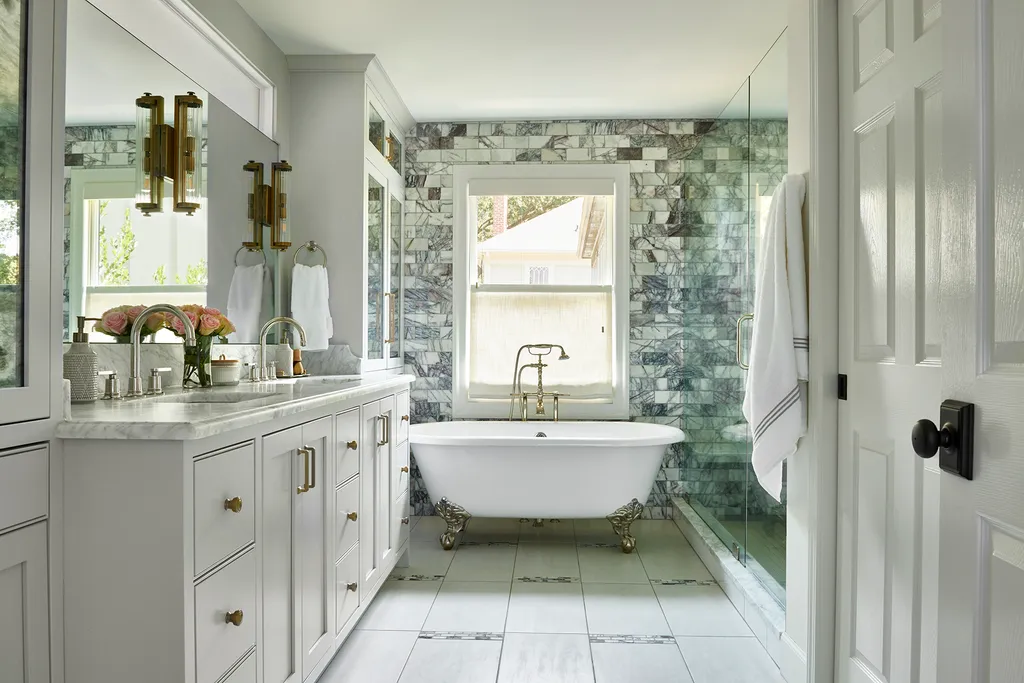
Choosing the right bathroom color combinations can transform a basic space into a relaxing retreat or a bold statement room. Whether you’re planning a full remodel or simply updating the look, understanding which shades harmonize is key to creating a cohesive and inviting atmosphere. The best pairings not only look great but also stand the test of time, making your bathroom feel fresh and stylish for years to come.
Before diving into specific palettes, it’s important to consider the size of your bathroom, the amount of natural light, and the fixtures you plan to keep. For those looking to maximize their space, check out measuring bathroom space correctly for tips on planning your layout. Once you have your foundation, selecting the right colors becomes much easier and more effective.
Classic Neutrals: Timeless and Versatile Choices
Neutral tones are a safe bet for any bathroom, offering flexibility and a sense of calm. Pairing shades like soft whites, warm beiges, and gentle greys creates a soothing environment that never goes out of style. These hues work well with both traditional and modern fixtures, and they make it easy to update accessories or towels without clashing.
For a subtle twist, consider combining a crisp white with a light grey or taupe. This pairing brightens the space while adding just enough contrast to keep things interesting. If you want to introduce a touch of warmth, add sandy beige or creamy ivory to the mix. These combinations are especially effective in smaller bathrooms, as they help reflect light and make the room feel more open.
Bold and Beautiful: Contrasting Color Pairings
If you’re looking to make a statement, contrasting shades can add drama and personality. Navy blue and white is a classic duo that brings a nautical vibe and crisp freshness. For a more contemporary look, charcoal grey paired with matte black fixtures creates a sophisticated, spa-like feel.
Another striking option is pairing deep emerald green with soft blush pink. This combination balances richness and softness, making the bathroom feel both luxurious and inviting. When using bold colors, keep the balance by limiting them to one or two surfaces—such as an accent wall or vanity—while keeping the rest of the space neutral.
Soft Pastels: Creating a Calming Retreat
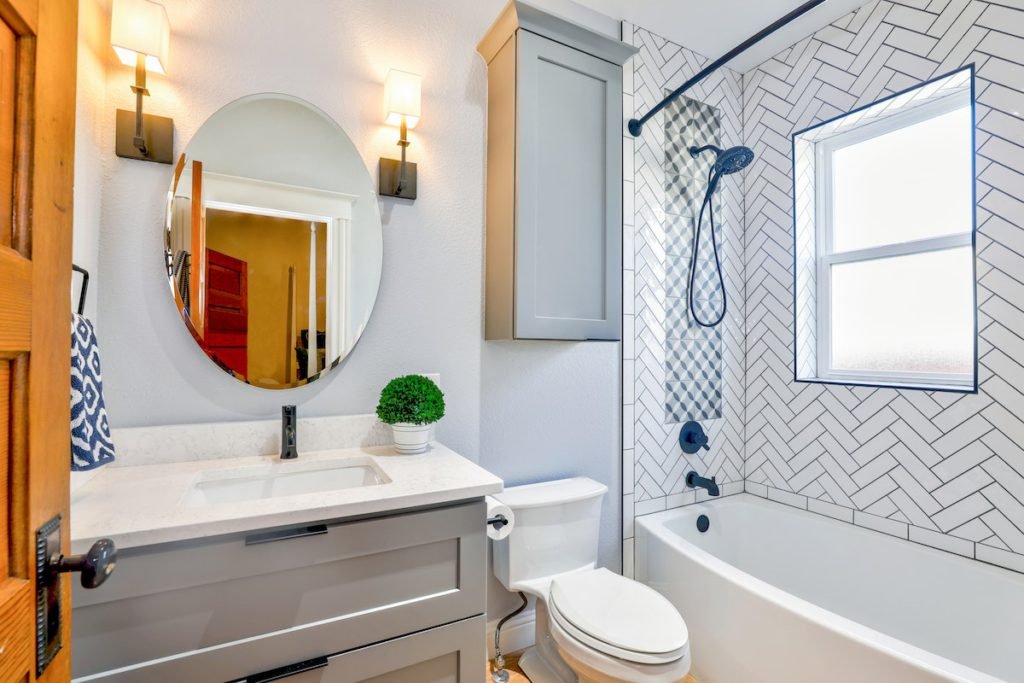
Pastel shades are perfect for those who want a gentle, serene feel in their bathroom. Pairing pale blue with soft mint or lavender with dove grey can create a spa-like environment that encourages relaxation. These hues are especially effective in spaces with plenty of natural light, as they reflect brightness and make the room feel airy.
To keep pastel combinations from feeling too sweet, add natural textures like wood or stone. For example, a light blue wall with white subway tiles and oak shelving offers a balanced, contemporary look. Pastels also work well with metallic accents, such as brushed nickel or gold, for a subtle touch of luxury.
Earthy Tones: Bringing Nature Indoors
For a grounded, organic vibe, earthy shades like sage green, terracotta, and warm browns are excellent choices. These colors evoke a sense of calm and connection to nature, making them ideal for a relaxing bathroom experience. Pair sage with creamy white or combine terracotta with soft beige to create a harmonious, inviting space.
Earthy palettes are especially popular in bathrooms that feature natural materials, such as stone countertops or wooden vanities. These combinations work well in both rustic and modern settings, and they’re easy to personalize with plants or woven baskets.
Monochromatic Schemes: Simple Yet Striking
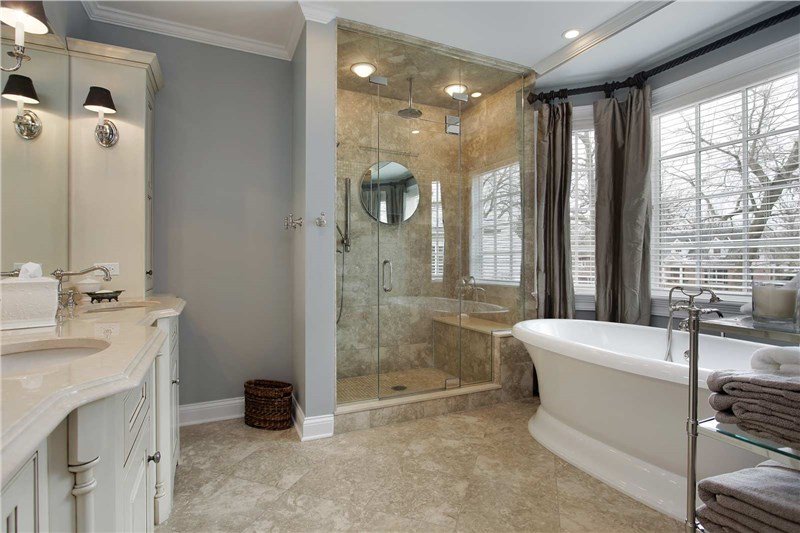
Using varying shades of a single color can create a sophisticated and cohesive look. Monochromatic palettes are easy to coordinate and can make a small bathroom feel larger. For example, layering different tones of grey—from pale silver to deep charcoal—adds depth without overwhelming the space.
This approach also works well with blues, greens, or even warm neutrals. To prevent the room from feeling flat, incorporate different textures and finishes, such as glossy tiles, matte paint, and soft textiles. Monochromatic schemes are ideal for minimalist or contemporary designs, offering a clean and uncluttered appearance.
Tips for Choosing the Best Bathroom Color Pairings
- Consider lighting: Natural and artificial light can change how colors appear. Test paint samples at different times of day before committing.
- Start with a base: Choose a primary color you love, then select complementary or contrasting shades for accents.
- Balance boldness: If you opt for a strong color, pair it with softer tones to avoid overwhelming the space.
- Incorporate texture: Mix materials like tile, wood, and metal to add interest to simple color schemes.
- Think about longevity: Trendy hues can be fun, but classic combinations are less likely to feel dated over time.
For more inspiration on affordable upgrades, explore cheap bathroom makeover ideas that can be paired with your favorite color schemes.
Common Mistakes to Avoid When Pairing Bathroom Colors
Even the best intentions can go awry if you’re not careful with your choices. Here are a few pitfalls to watch out for:
- Using too many colors, which can make the space feel chaotic.
- Ignoring undertones—some whites have blue or yellow bases that may clash with other shades.
- Forgetting to coordinate with permanent fixtures like tile, countertops, or cabinetry.
- Neglecting the impact of lighting on your chosen palette.
For a deeper dive into what not to do, see common DIY bathroom remodeling mistakes to ensure your project goes smoothly.
Bringing It All Together: Personalizing Your Bathroom Palette
Ultimately, the most successful bathroom color combinations are those that reflect your personal style and suit your home’s overall aesthetic. Don’t be afraid to experiment with samples or mood boards before making a final decision. Remember, paint and accessories are relatively easy to change, so you can update your look as trends evolve or your tastes shift.
For those working with unique spaces, such as attic bathrooms or unusual layouts, consider exploring attic bathroom design ideas for creative solutions that integrate color and function seamlessly.
FAQ
What are the safest color combinations for small bathrooms?
Light neutrals like white, beige, and soft grey are ideal for smaller spaces because they reflect light and make the room feel larger. Pairing these with subtle accent colors, such as pale blue or mint, can add interest without overwhelming the space.
How do I choose colors that won’t go out of style?
Stick with classic pairings such as white and grey, navy and white, or earthy tones like sage and beige. These combinations have stood the test of time and are unlikely to feel dated. You can always update the look with accessories or towels in trendier shades.
Can I use dark colors in a bathroom?
Yes, dark shades like navy, charcoal, or deep green can create a dramatic and cozy atmosphere. To keep the space from feeling too closed in, balance dark walls with lighter fixtures, mirrors, or plenty of lighting. Consider using bold colors on a single accent wall or vanity for a modern touch.
What’s the best way to coordinate paint with tile and fixtures?
Start by identifying the undertones in your tile and fixtures—are they warm, cool, or neutral? Choose paint colors that complement these undertones rather than clash. Bring home samples and view them in your bathroom’s lighting before making a final decision.
Where can I find more ideas for bathroom upgrades?
For more inspiration on fixtures and storage, check out bathroom sink styles and medicine cabinet ideas to help complete your bathroom transformation.