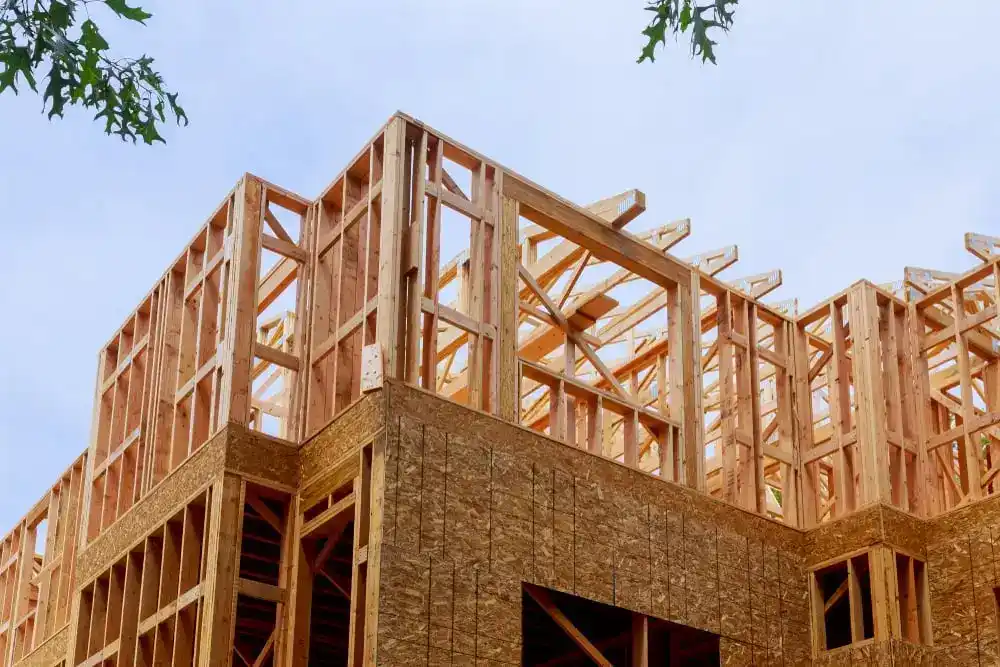
Choosing the right materials is a crucial step in any sustainable construction project. With growing awareness of environmental impact, builders, homeowners, and designers are increasingly seeking out eco-friendly options that minimize waste, reduce energy consumption, and promote healthier indoor environments. This guide offers a comprehensive overview of the most important components for anyone seeking to create a greener, more responsible building.
Whether you are renovating a bathroom, constructing a new home, or simply looking to make smarter choices, understanding which products to use—and why—can make a significant difference. For those focusing on specific spaces, such as bathrooms, our bathroom flooring buyer’s guide provides additional insights on eco-conscious flooring solutions.
What Makes a Material Green?
Before diving into the green building materials list, it’s important to understand what qualifies a product as sustainable. Generally, eco-friendly materials share some or all of the following characteristics:
- Low embodied energy (energy required for production and transport)
- Renewable or rapidly replenished sources
- Non-toxic, with minimal off-gassing of volatile organic compounds (VOCs)
- Recyclable or biodegradable at end of life
- Durable and long-lasting, reducing the need for frequent replacement
- Responsibly sourced, with certifications such as FSC or Cradle to Cradle
By prioritizing these attributes, you can help reduce your project’s environmental footprint while often improving indoor air quality and occupant health.
Core Categories of Eco-Friendly Construction Products
Below is a breakdown of essential product types to consider when planning a sustainable build or renovation. Each category highlights common options and their benefits.
1. Sustainable Flooring Options
Flooring is a major component of any building, and the right choice can have a big impact on sustainability. Popular green flooring materials include:
- Bamboo: Fast-growing, renewable, and available in a variety of finishes. Bamboo is durable and often less resource-intensive than hardwood.
- Cork: Harvested from the bark of cork oak trees without harming the tree. Cork is naturally antimicrobial, resilient, and provides good insulation.
- Reclaimed Wood: Salvaged from old structures, this option gives new life to existing materials and adds unique character.
- Linoleum: Made from natural materials like linseed oil, wood flour, and jute. It’s biodegradable and has low emissions.
- Recycled Tile: Tiles made from recycled glass or ceramics reduce landfill waste and offer a wide range of design choices.
For more details on eco-friendly flooring, see our resources on most affordable bathroom flooring and how long bathroom flooring lasts by material.
2. Insulation for Energy Efficiency
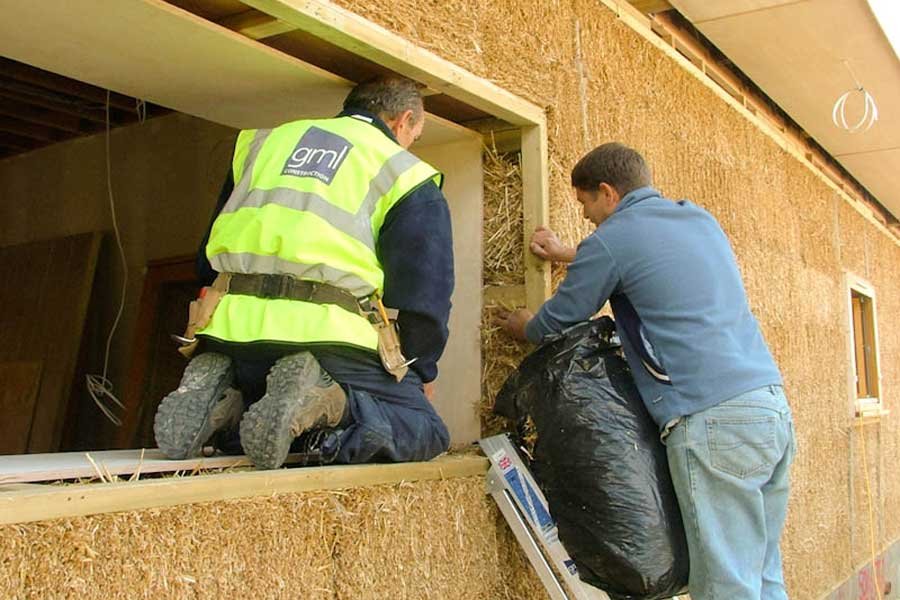
Proper insulation is vital for reducing heating and cooling demands. Some of the most popular eco-friendly insulation materials include:
- Cellulose: Made from recycled paper, treated for fire resistance. It’s effective and diverts waste from landfills.
- Cotton (Denim): Produced from recycled cotton fibers, often from old jeans. It’s safe to handle and has good thermal performance.
- Sheep’s Wool: Naturally flame-resistant and moisture-regulating, wool insulation is renewable and biodegradable.
- Fiberglass: Modern fiberglass insulation often includes recycled glass content and is widely available in eco-friendly formulations.
Choosing the right insulation can significantly lower your building’s energy use and carbon footprint.
3. Wall Systems and Structural Materials
Walls and structural elements form the backbone of any building. Sustainable options in this category include:
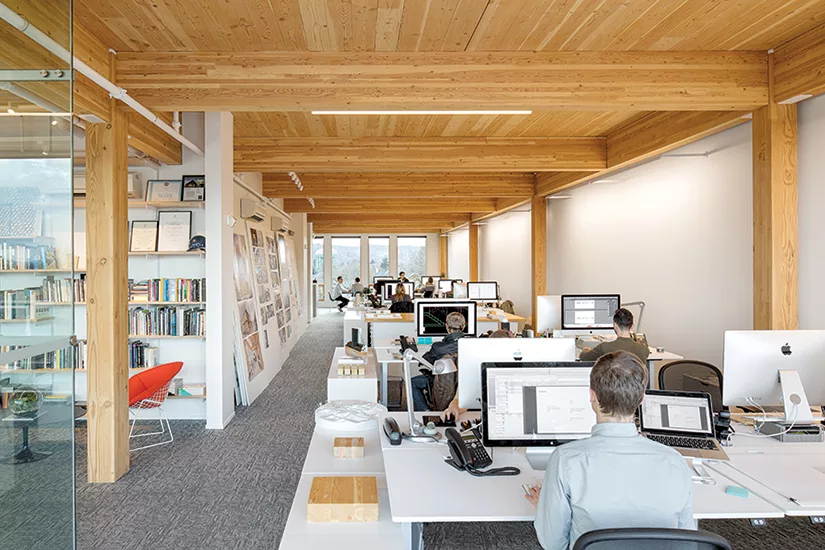
- Engineered Wood Products: Such as cross-laminated timber (CLT) and laminated veneer lumber (LVL), which use smaller trees and reduce waste.
- Rammed Earth: Utilizes compacted soil, offering excellent thermal mass and minimal processing.
- Recycled Steel: Steel with high recycled content reduces mining and energy consumption.
- Autoclaved Aerated Concrete (AAC): Lightweight, energy-efficient, and made with less raw material than traditional concrete.
4. Roofing and Exterior Cladding
Roofing and siding protect your building from the elements. Sustainable choices include:
- Cool Roofs: Reflective materials that reduce heat absorption and lower cooling costs.
- Metal Roofing: Often made from recycled metal and fully recyclable at end of life.
- Clay or Slate Tiles: Durable, natural, and long-lasting, though heavier than other options.
- Fiber Cement Siding: Made from a mix of recycled cellulose fibers and cement, offering durability and fire resistance.
- Reclaimed Wood Siding: Adds character and reduces demand for new lumber.
5. Windows, Doors, and Glazing
Energy-efficient windows and doors are essential for a sustainable building envelope. Look for:
- Double or Triple Glazing: Multiple panes with insulating gas reduce heat transfer.
- Low-E Coatings: Reflect infrared energy, keeping interiors cooler in summer and warmer in winter.
- Frames from Recycled Aluminum or FSC-Certified Wood: Lower environmental impact compared to standard materials.
6. Paints, Finishes, and Adhesives
Indoor air quality is heavily influenced by the products used for finishing surfaces. Choose:
- Low-VOC or Zero-VOC Paints: Minimize harmful emissions and improve indoor air quality.
- Natural Oils and Waxes: For wood finishes, these are biodegradable and non-toxic.
- Water-Based Adhesives: Lower in VOCs and safer for both installers and occupants.
Additional Eco-Conscious Building Products
Beyond the basics, there are many other products that can help make your project more sustainable:
- Recycled Glass Countertops: Made from post-consumer glass, these surfaces are durable and visually striking.
- LED Lighting: Highly energy-efficient and long-lasting, reducing electricity use.
- Water-Saving Fixtures: Low-flow toilets and faucets conserve water without sacrificing performance.
- Solar Panels and Renewable Energy Systems: Reduce reliance on fossil fuels and lower operating costs.
For a deeper dive into the science and benefits of eco-friendly construction, see this overview of eco-friendly materials in sustainable construction.
How to Choose the Right Sustainable Materials
Selecting the best products for your project depends on several factors:
- Climate and Location: Some materials perform better in certain environments (e.g., rammed earth in dry climates).
- Budget: While some green options have higher upfront costs, they often save money over time through durability and efficiency.
- Certifications: Look for recognized labels like FSC, Greenguard, or Cradle to Cradle for assurance of sustainability.
- Compatibility: Ensure new materials work well with existing structures and systems.
Consulting with architects, contractors, or sustainability consultants can help you make informed decisions tailored to your needs.
Frequently Asked Questions
What are the most cost-effective green materials for home renovations?
Some of the most budget-friendly options include bamboo flooring, cellulose insulation, and low-VOC paints. These products offer a balance of affordability, performance, and environmental benefits.
How do I verify if a material is truly eco-friendly?
Check for third-party certifications such as FSC for wood, Greenguard for low emissions, or Cradle to Cradle for overall sustainability. Manufacturer transparency and published environmental product declarations are also good indicators.
Can green building products be used in bathrooms and wet areas?
Yes, many sustainable materials are suitable for bathrooms. Options like recycled glass tile, water-resistant bamboo, and low-VOC sealants are ideal for wet environments. For more tips, explore our guide on layering vinyl over tile in bathrooms.
Do eco-friendly materials last as long as conventional ones?
Many sustainable products are as durable, if not more so, than traditional options. For example, metal roofing and engineered wood can outlast standard materials when properly installed and maintained.
Conclusion
Building with sustainability in mind is more accessible than ever. By referencing this green building materials list and considering the factors outlined above, you can make choices that benefit both the environment and your long-term wellbeing. Whether you’re updating a single room or planning a new build, every eco-conscious decision adds up to a healthier, more responsible future.