Updating your bathroom flooring can dramatically improve the look and feel of your space, but the thought of tearing out old tiles can be daunting. Fortunately, there are several effective ways to refresh your bathroom floor without the mess and expense of demolition. Whether you want a quick cosmetic upgrade or a more durable solution, this guide will walk you through practical methods to revamp your bathroom floor while keeping the existing tiles in place.
If you’re considering new flooring, it’s helpful to review a bathroom flooring buyer’s guide to compare materials and understand what works best for your needs. This article will focus on solutions that are budget-friendly, easy to install, and suitable for most DIYers.
Why Choose to Cover Existing Tiles?
Removing old tiles is labor-intensive, time-consuming, and often leads to unexpected repair costs. By installing new flooring directly over your current tiles, you save on demolition, reduce waste, and minimize disruption to your daily routine. This approach is especially appealing for homeowners who want a fresh look without a major renovation.
Covering your tiles can also help address issues like outdated patterns, minor cracks, or stained grout, providing a clean slate for your new design. The key is to choose the right materials and ensure your existing floor is properly prepared for the overlay.
Popular Methods for Updating Bathroom Floors Without Tile Removal
There are several reliable techniques for giving your bathroom floor a makeover while leaving the old tiles intact. Here are the most common options:
- Peel-and-stick vinyl tiles or planks
- Floating vinyl or laminate flooring
- Painting or refinishing existing tiles
- Applying waterproof floor stickers or decals
- Using area rugs or mats for a quick refresh
Using Peel-and-Stick Vinyl for a Fast Transformation
Peel-and-stick vinyl tiles are one of the easiest and most affordable ways to update your bathroom floor. These self-adhesive tiles come in a wide range of styles, including wood, stone, and patterned designs. They can be installed directly over clean, level tiles, making them ideal for DIY projects.
Floating Flooring Options for Bathrooms
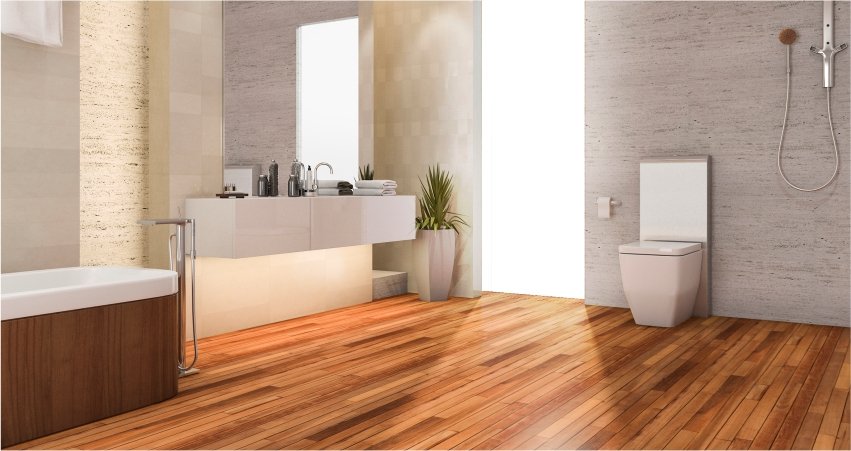
Another effective approach is to use floating vinyl or laminate planks. These products lock together and “float” over the existing tile, requiring no glue or nails. Floating floors are water-resistant, comfortable underfoot, and can be installed in a single day. Just make sure your tiles are even and free of major cracks or loose sections.
For more details on cost-effective materials, check out the most affordable bathroom flooring options to help you stay within budget.
Painting Over Tiles for a Custom Look
If you prefer a creative solution, painting your bathroom tiles can deliver a dramatic change. Use a high-quality primer and durable floor paint designed for tile surfaces. This method allows you to choose any color or pattern, from bold solids to intricate stencils. While painted floors may require occasional touch-ups, they are a great way to personalize your space without a full remodel.
Preparing Your Floor for a Tile Overlay
Proper preparation is crucial for a successful overlay. Start by cleaning the existing tiles thoroughly to remove dirt, soap scum, and grease. Repair any loose or damaged tiles and fill in deep grout lines to create a smooth surface. Allow the floor to dry completely before installing any new material.
For those interested in mixing patterns or styles, see these tips on mixing tile styles on bathroom floor for inspiration and practical advice.
Step-by-Step Guide: Installing Vinyl Over Existing Tiles
- Clean and prep the surface: Sweep and mop the tiles, then dry thoroughly.
- Level the floor: Fill deep grout lines or uneven spots with floor leveler if needed.
- Plan your layout: Dry-fit the vinyl planks or tiles to determine the best starting point and minimize cuts.
- Install the new flooring: Peel off the backing and press each vinyl tile firmly into place, or click floating planks together as you go.
- Trim edges: Use a utility knife to cut tiles or planks to fit around fixtures and walls.
- Finish and seal: For peel-and-stick products, roll the floor with a heavy roller to ensure adhesion. For floating floors, install baseboards or trim to cover expansion gaps.
Maintaining Your Updated Bathroom Floor
Keeping your new surface looking its best is simple. Sweep or vacuum regularly to remove debris, and mop with a damp cloth and mild cleaner. Avoid harsh chemicals or abrasive scrubbers, especially if you’ve painted the tiles. If you notice any lifting edges or damage, repair them promptly to prevent moisture from seeping underneath.
Choosing the Best Overlay Material for Your Needs
When deciding which method to use, consider your budget, style preferences, and how much traffic your bathroom receives. Vinyl planks and tiles are durable and water-resistant, making them suitable for busy households. Painting tiles is more affordable and flexible for design, but may require more maintenance. Floating floors offer comfort and insulation, but need a level base for best results.
For more guidance on selecting the right size and style, see the resource on how to choose bathroom tile size.
Expert Tips for a Long-Lasting Bathroom Floor Makeover
- Always check that your existing tiles are firmly attached and free from moisture issues before overlaying.
- Use a primer or adhesive recommended by the flooring manufacturer for best results.
- Allow new flooring to acclimate to your bathroom’s temperature and humidity before installation.
- For extra slip resistance, choose products with a textured or matte finish.
- If you’re unsure about which product to select, consult a comprehensive bathroom flooring buying guide for up-to-date advice and comparisons.
Frequently Asked Questions
Can I put new flooring directly over old bathroom tiles?
Yes, as long as the existing tiles are secure, clean, and level, you can install materials like peel-and-stick vinyl, floating planks, or even paint directly over them. Proper preparation is essential for a lasting result.
Will the new floor raise the height of my bathroom floor?
Overlaying new materials will add a small amount of height, typically between 2mm and 8mm depending on the product. Be sure to check door clearances and transitions to adjacent rooms.
Is it necessary to use a primer before installing vinyl over tiles?
While not always required, using a primer or adhesive recommended by the manufacturer can improve adhesion, especially on glossy or uneven tile surfaces.
How do I maintain my new bathroom floor overlay?
Clean regularly with a mild detergent and avoid abrasive tools. Address any damage or lifting edges promptly to prevent water from seeping underneath.