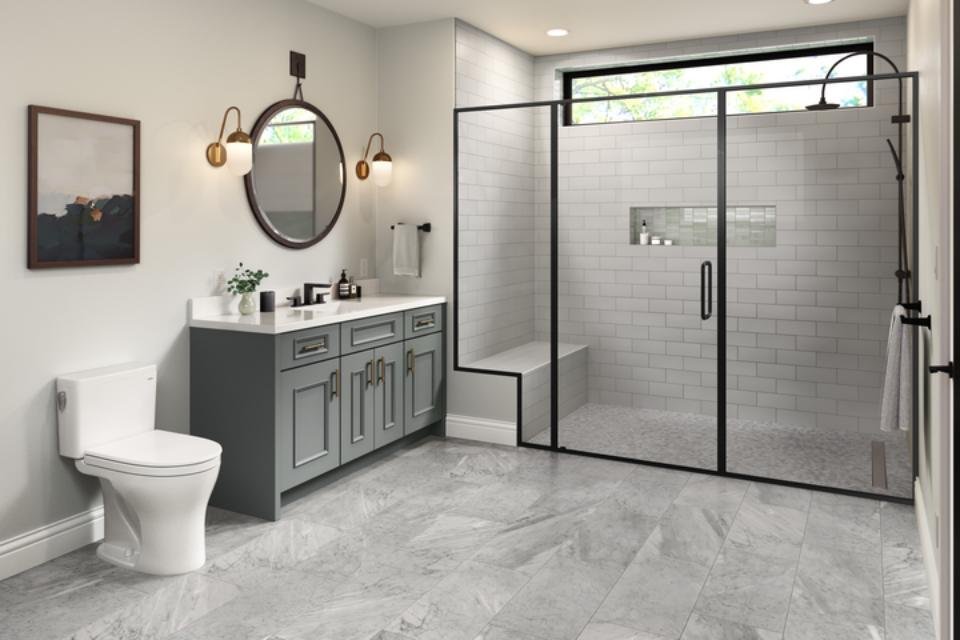
Choosing the right bathroom flooring color combinations can transform your space, making it feel larger, brighter, or more cohesive with your home’s style. The floor is often the first thing people notice in a bathroom, and the colors you select play a crucial role in setting the tone for the entire room. Whether you want a soothing retreat, a modern statement, or a timeless classic look, the right palette can help you achieve your vision.
In this guide, we’ll explore a range of color pairings, from subtle neutrals to bold contrasts, and offer practical tips for selecting hues that work with your fixtures, lighting, and personal taste. If you’re planning a full remodel or simply updating your floors, understanding how different shades interact is key to a successful design.
For a comprehensive overview of materials and installation tips, the Bathroom flooring buyer’s guide offers valuable insights for homeowners.
Why Color Pairings Matter for Bathroom Floors
The colors you choose for your bathroom floor do more than just add visual interest—they influence the mood, perceived size, and overall harmony of the space. Light tones can make small bathrooms appear larger and more open, while darker shades add warmth and intimacy. Combining colors thoughtfully can also help mask dirt, highlight architectural features, or tie together other design elements like wall paint, cabinetry, and decor.
When considering bathroom flooring color combinations, think about the existing palette in your home, the amount of natural light the room receives, and the atmosphere you want to create. For example, pairing cool grays with crisp whites delivers a spa-like feel, while mixing earth tones with soft blues brings a touch of nature indoors.
Popular Color Schemes for Bathroom Floors
There are countless ways to combine colors for a stylish and functional bathroom floor. Here are some of the most popular and effective approaches:
- Classic Black and White: This timeless pairing works with almost any style, from vintage to modern. Checkerboard patterns or geometric tiles in these shades create instant visual impact.
- Soft Neutrals: Beige, taupe, and light gray floors offer a calm, versatile foundation. Pairing these with white or cream fixtures keeps the look fresh and airy.
- Earthy Tones: Warm browns, terracotta, and muted greens evoke a natural, organic vibe. These shades pair beautifully with wood accents and matte finishes.
- Bold Contrasts: Navy blue with white, charcoal with pale gray, or forest green with gold accents can create a dramatic, contemporary look.
- Monochromatic Layers: Using varying shades of a single color—like different grays or blues—adds depth without overwhelming the space.
Coordinating Flooring with Wall and Fixture Colors
Achieving a cohesive design means considering how your floor color interacts with walls, cabinetry, and fixtures. For a seamless effect, choose flooring that complements or subtly contrasts with your wall color. For example, pairing a soft gray floor with pale blue walls creates a tranquil retreat, while a dark slate floor with crisp white walls feels modern and clean.
If your bathroom features bold fixtures or colorful vanities, opt for more subdued flooring to let those elements shine. Conversely, if your fixtures are neutral, you can use the floor as a place to introduce pattern or color.

Mixing Patterns and Textures with Color
Introducing patterns—such as herringbone, chevron, or mosaic—can further enhance your color choices. Patterned tiles in coordinated hues add movement and interest, while textured finishes like matte, glossy, or wood-look vinyl bring depth to the floor. For inspiration on combining different tile types, see our guide to mixing tile styles on bathroom floor.
When mixing patterns, stick to a limited palette to avoid visual clutter. For example, a subtle gray and white geometric tile pairs well with solid white walls and chrome fixtures. If you prefer a bolder look, try a patterned floor in navy and white with matching navy accents elsewhere in the room.
Practical Tips for Choosing Floor Colors
- Consider Light: Lighter floors reflect more light, making small or windowless bathrooms feel brighter. Darker shades can add coziness but may show dust or water spots more easily.
- Think About Maintenance: Mid-tone colors and subtle patterns are best for hiding everyday dirt and water marks.
- Match to Your Style: Traditional homes often look best with classic pairings like black and white, while contemporary spaces can handle bold contrasts or unique color blends.
- Test Samples: Always view flooring samples in your actual bathroom lighting before making a final decision.
Trending Bathroom Floor Color Ideas
Current trends in bathroom flooring color combinations include:
- Warm Grays and Greiges: These versatile tones work with both cool and warm palettes, making them a safe yet stylish choice.
- Soft Pastels: Pale blues, greens, and blush pinks are gaining popularity for their calming effect and ability to pair with white or gray fixtures.
- High-Contrast Looks: Pairing deep navy, black, or charcoal floors with white or light gray walls creates a striking, modern vibe.
- Nature-Inspired Colors: Earthy greens, sandy beiges, and stone-like patterns bring the outdoors in and work well with natural wood accents.
Budget-Friendly Options and Resources
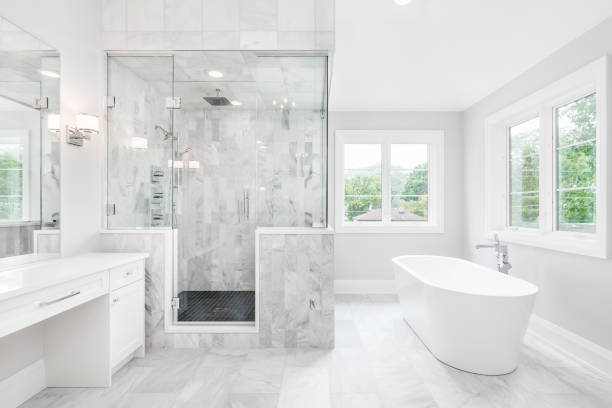
You don’t have to spend a fortune to achieve a stylish look. Peel-and-stick vinyl planks and tiles come in a wide range of colors and patterns, offering an affordable way to update your bathroom. For more ideas on saving money without sacrificing style, check out our article on the most affordable bathroom flooring.
If you’re new to flooring projects, the DIY bathroom flooring buying guide provides step-by-step advice on choosing materials, prepping your space, and installing your new floor.
Frequently Asked Questions
What are the best color pairings for small bathrooms?
Lighter color combinations, such as soft grays with white or pale beige with cream, help make small bathrooms feel more spacious. Avoid dark floors unless balanced with plenty of natural light and lighter wall colors.
How do I choose a floor color that matches my bathroom fixtures?
Start by identifying the undertones of your fixtures (warm, cool, or neutral). Select flooring colors that complement these tones. For example, chrome or silver fixtures pair well with cool grays and blues, while brass or gold fixtures look great with warm beiges or earth tones.
Can I mix different tile colors and patterns on the bathroom floor?
Yes, mixing tile styles and colors can add visual interest and personality to your bathroom. Stick to a cohesive palette and use patterns strategically to avoid overwhelming the space. For more tips, see our guide on mixing tile styles on bathroom floor.
Are there low-maintenance color options for bathroom floors?
Mid-tone colors, such as greige or light brown, and subtle patterns are effective at hiding dirt and water spots. Glossy finishes may show water marks more easily, while matte or textured surfaces are more forgiving.
Final Thoughts
Selecting the right bathroom flooring color combinations can elevate your space and reflect your personal style. By considering lighting, maintenance, and how your floor interacts with other design elements, you can create a bathroom that feels both beautiful and functional. Explore samples, test colors in your space, and don’t be afraid to mix patterns or textures for a custom look that stands out.
For more guidance on choosing the perfect tile size, see our article on how to choose bathroom tile size. With the right planning, your new bathroom floor can become a highlight of your home for years to come.