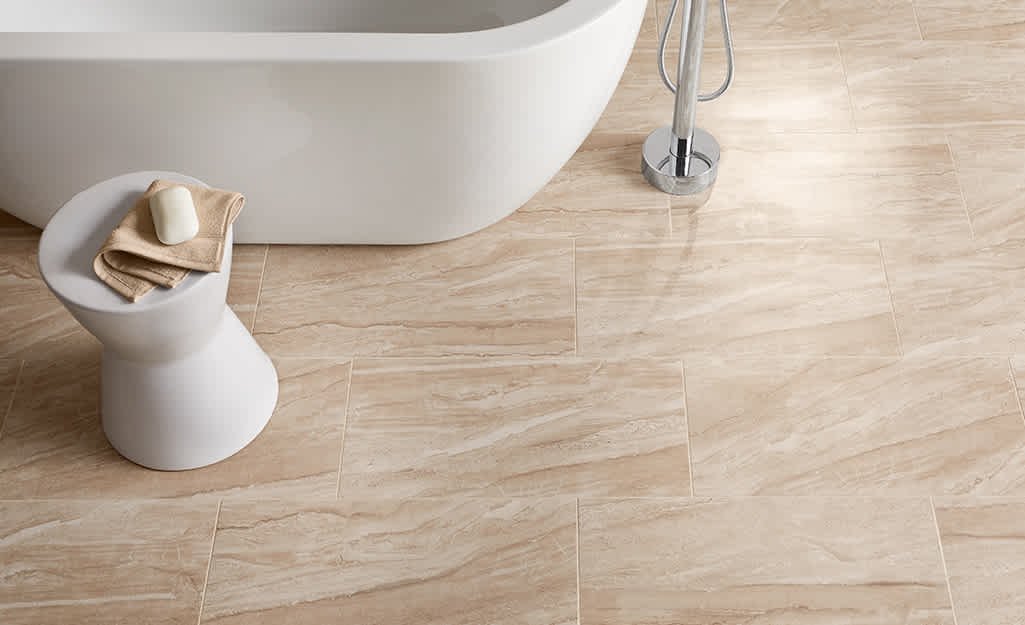
Choosing the best bathroom flooring when flipping houses can have a significant impact on both the speed of your sale and your overall return on investment. Homebuyers pay close attention to bathrooms, and the right flooring can make a property feel more modern, clean, and move-in ready. For investors and renovators, the challenge is finding a material that balances style, durability, water resistance, and cost-effectiveness. This article explores the top flooring options for bathrooms in flipped homes, including their pros, cons, and key considerations to help you make an informed decision.
Before diving into the specific materials, it’s helpful to review a comprehensive bathroom flooring buyer’s guide for homeowners. This resource covers essential factors such as moisture resistance, ease of installation, and how different options perform over time. By understanding these basics, you can better match your flooring choice to the needs of your target buyers and the realities of your renovation budget.
Key Factors for Selecting Bathroom Flooring in Flipped Homes
When you’re renovating a property for resale, the bathroom floor must check several boxes. Here are the most important factors to consider:
- Water Resistance: Bathrooms are high-moisture environments, so the flooring must withstand spills, splashes, and humidity without warping or staining.
- Durability: The material should hold up to foot traffic and cleaning, especially if the home will be shown to multiple buyers before selling.
- Style and Appeal: Neutral, modern looks tend to attract the widest range of buyers. Flooring that mimics wood or stone is especially popular.
- Cost: Keeping material and installation costs reasonable is crucial for maximizing profit margins.
- Ease of Installation: Quick installation can help you stay on schedule and reduce labor expenses.
Let’s take a closer look at the top flooring choices that meet these criteria.
Luxury Vinyl Plank: A Top Pick for Flippers
Luxury vinyl plank (LVP) has become a favorite among house flippers for bathroom renovations. It offers the look of real wood or stone but is engineered to resist water and wear. LVP is available in a wide range of styles and colors, making it easy to match current design trends.
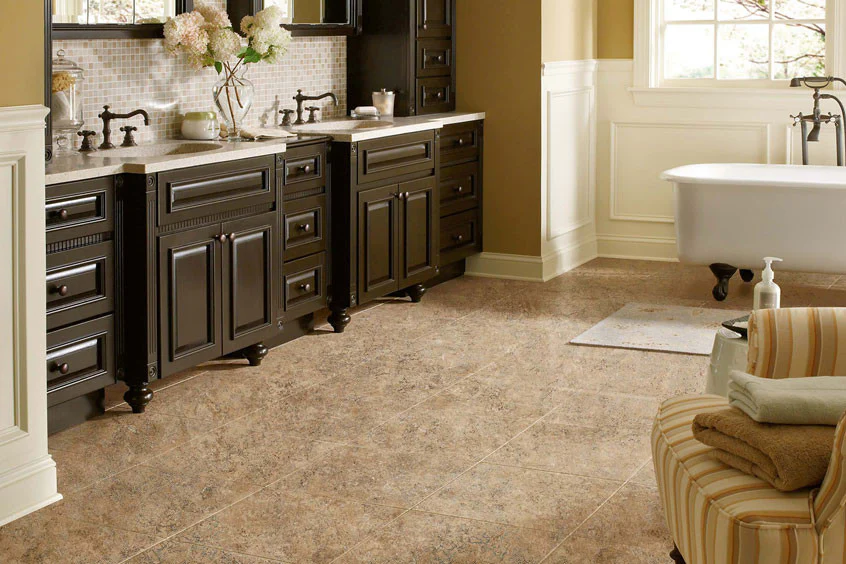
Pros:
- Highly water-resistant and suitable for bathrooms
- Easy to install, often as a floating floor or peel-and-stick
- Affordable compared to real hardwood or stone
- Soft and warm underfoot
Cons:
- Can be punctured by sharp objects
- Lower-end products may look less realistic
For more details on how long different bathroom flooring materials last, check out this guide on how long does bathroom flooring last.
Porcelain and Ceramic Tile: Classic and Durable
Porcelain and ceramic tiles remain a staple in bathroom renovations. These materials are known for their durability, water resistance, and timeless appearance. Tiles come in a huge variety of shapes, sizes, and finishes, allowing you to create anything from a classic to a contemporary look.
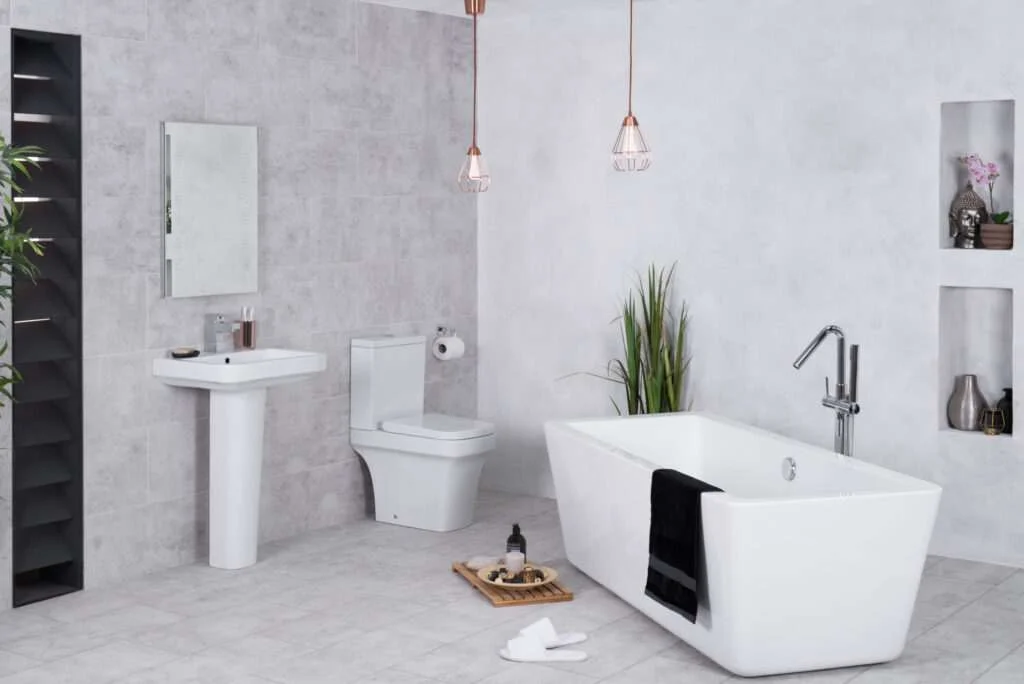
Pros:
- Excellent water resistance
- Long-lasting and scratch-resistant
- Wide range of design options
- Boosts perceived value of the home
Cons:
- Colder and harder underfoot compared to vinyl
- Grout lines require regular cleaning
- Installation is more labor-intensive and costly
If you’re interested in layering new materials over existing tile, see this layering vinyl over tile in bathroom guide for step-by-step advice.
Sheet Vinyl: Budget-Friendly and Practical
Sheet vinyl is another practical choice for renovators working with tight budgets. It’s a single, continuous sheet that is cut to fit the bathroom, minimizing seams and reducing the risk of water infiltration. Modern sheet vinyl comes in a variety of patterns, including those that mimic tile or wood.
Pros:
- Very affordable and quick to install
- Waterproof and easy to clean
- Soft underfoot
Cons:
- Can be damaged by sharp objects or heavy furniture
- May not add as much perceived value as tile or LVP
For those seeking the most affordable bathroom flooring options, sheet vinyl is often at the top of the list.
Other Noteworthy Options for Bathroom Floors
While LVP, tile, and sheet vinyl are the most common choices for house flippers, there are a few other materials worth considering:
- Engineered Wood: Offers a real wood surface with better moisture resistance than solid hardwood, but still not ideal for high-moisture bathrooms.
- Natural Stone: Adds luxury and value but comes with higher costs and maintenance needs.
- Waterproof Laminate: Newer waterproof laminate products can work in bathrooms, but always check manufacturer recommendations.
When selecting a color, neutral tones are safest for resale. For inspiration, browse ideas for the best neutral bathroom flooring colors that appeal to a broad range of buyers.
Installation Tips for Maximum ROI
Maximizing your return starts with proper installation. Here are a few tips:
- Prep the subfloor thoroughly to avoid uneven surfaces or moisture problems.
- Choose click-lock or peel-and-stick products for faster installation and easier repairs.
- Use waterproof underlayment where recommended.
- Keep patterns and colors neutral to appeal to the widest buyer pool.
For more in-depth advice, you can review this expert guide to the best flooring for bathrooms for additional insights and product comparisons.
Frequently Asked Questions
What is the most cost-effective bathroom flooring for house flippers?
Sheet vinyl and luxury vinyl plank are typically the most budget-friendly options. They offer good water resistance, are easy to install, and come in a variety of attractive designs. For higher-end flips, ceramic or porcelain tile may be worth the extra investment due to its durability and buyer appeal.
How do I choose the right color for bathroom floors in a flip?
Stick with neutral colors such as grays, beiges, or soft whites. These shades make the space feel larger and brighter, and they appeal to the widest range of buyers. For more ideas, see suggestions for the best neutral bathroom flooring colors.
Can I install new vinyl flooring over old tile in a bathroom?
Yes, in many cases you can install luxury vinyl plank or sheet vinyl directly over existing tile, provided the surface is clean, level, and free of major cracks. For a step-by-step process, refer to the layering vinyl over tile in bathroom guide.
How long will new bathroom flooring last in a flipped house?
The lifespan depends on the material and quality of installation. Luxury vinyl plank and tile can last 10–20 years or more with proper care, while sheet vinyl may last 5–10 years. For a detailed breakdown, see how long does bathroom flooring last by material.
Conclusion
When it comes to the best bathroom flooring when flipping houses, the ideal choice is one that balances cost, durability, and broad buyer appeal. Luxury vinyl plank, porcelain or ceramic tile, and sheet vinyl are all strong contenders, each with unique benefits. By focusing on water resistance, style, and ease of installation, you can create a bathroom that helps your property stand out in the market and maximizes your return on investment.