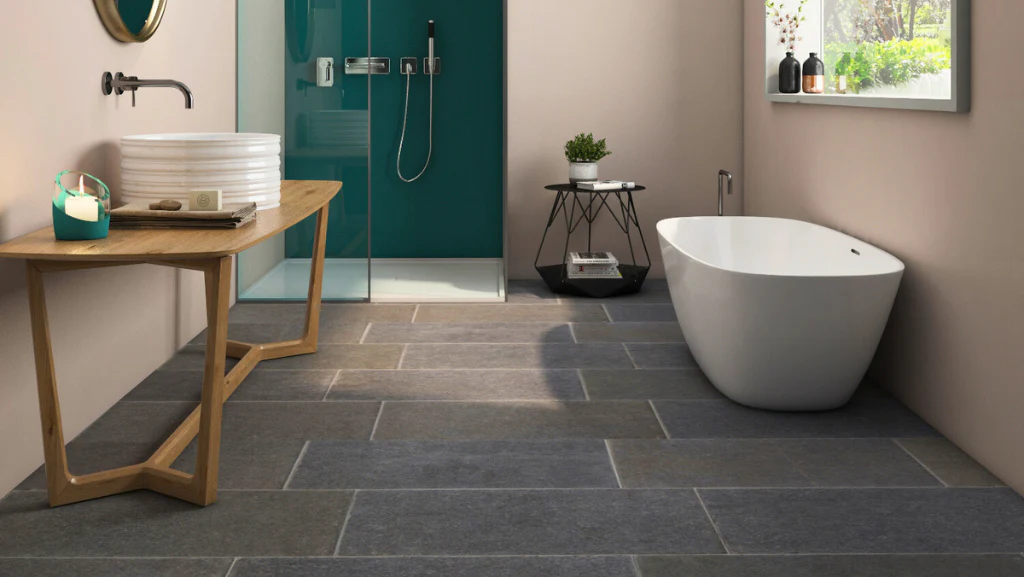
The colors you choose for your bathroom floor do more than just influence the look of the space—they can also affect your mood, daily routines, and even your sense of cleanliness and comfort. Understanding bathroom floor color psychology helps homeowners and designers create environments that feel inviting, relaxing, or energizing, depending on personal needs and preferences.
Whether you’re renovating or building from scratch, the shade beneath your feet can set the tone for the entire room. From calming blues to energizing yellows, each hue brings its own psychological impact. Before diving into specific color meanings, it’s helpful to consider practical aspects like lighting, room size, and the overall style you want to achieve.
For a comprehensive overview of materials and installation tips, see our bathroom flooring buyer’s guide.
The Basics of Color Psychology in Bathroom Flooring
Color psychology explores how different shades influence human emotions and behaviors. In the context of bathroom floors, this means that the color you step onto each morning can subtly shape your mindset for the day. The right choice can make a small bathroom feel more spacious, a cold room feel warmer, or a busy household feel more tranquil.
When selecting a floor color, consider how it interacts with wall colors, fixtures, and natural light. The interplay between these elements can amplify or soften the psychological effects of your chosen palette. For example, a cool-toned floor paired with warm lighting can create a balanced, harmonious atmosphere.
How Neutrals Influence Bathroom Atmosphere
Neutral tones like white, beige, and gray are popular for bathroom floors because they evoke feelings of cleanliness and simplicity. These shades are often associated with modern, spa-like environments. A white or light gray floor can make a compact room appear larger and brighter, while beige adds a touch of warmth without overwhelming the senses.
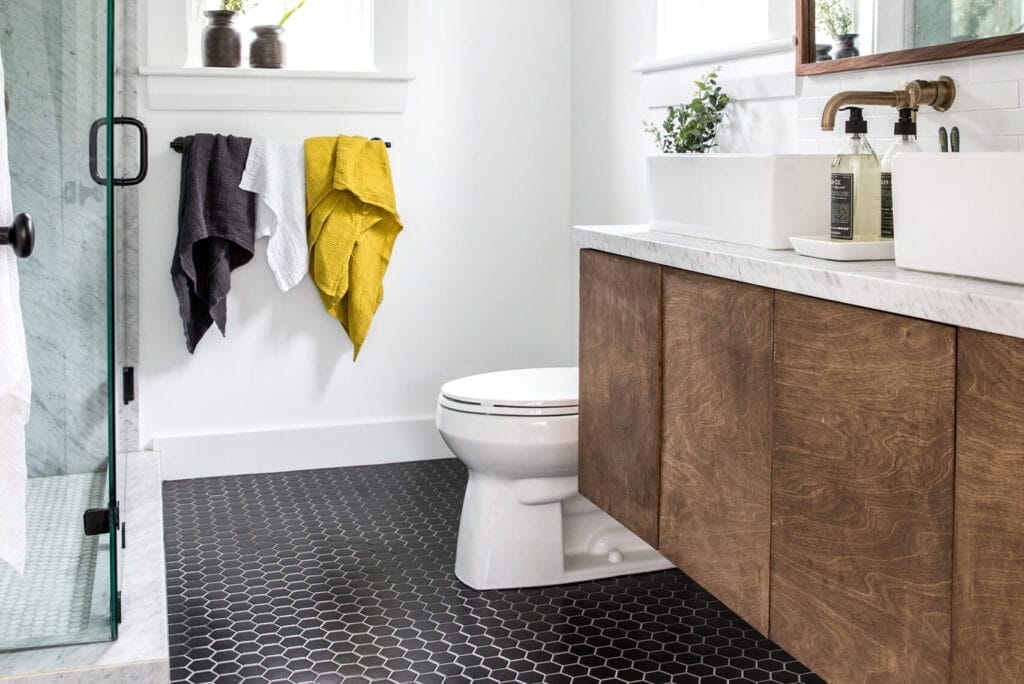
Neutral floors are also versatile, making it easy to update your bathroom’s look with new towels, rugs, or wall art. For those who prefer a timeless design, neutrals are a safe and effective choice. If you’re interested in maximizing your budget, check out the most affordable bathroom flooring options for neutral-toned materials.
Calming Effects of Cool Tones
Blue, green, and soft lavender are considered cool colors and are often linked to feelings of calmness and relaxation. These hues are ideal for creating a peaceful retreat, especially in bathrooms where you want to unwind after a long day. A pale blue or mint green floor can evoke the tranquility of water and nature, making the space feel fresh and serene.
Cool-toned floors also pair well with white or silver fixtures, enhancing the sense of cleanliness and order. If you’re mixing different tile styles, consider how cool colors can unify the look. Our guide on mixing tile styles on bathroom floor offers practical tips for combining patterns and shades harmoniously.
Warm Colors for Energy and Comfort
Warm shades such as tan, terracotta, and soft yellows bring a sense of coziness and vitality to the bathroom. These colors are associated with warmth, comfort, and even optimism. A sandy or honey-toned floor can make a large, open bathroom feel more inviting, while a muted orange or gold adds a cheerful touch.
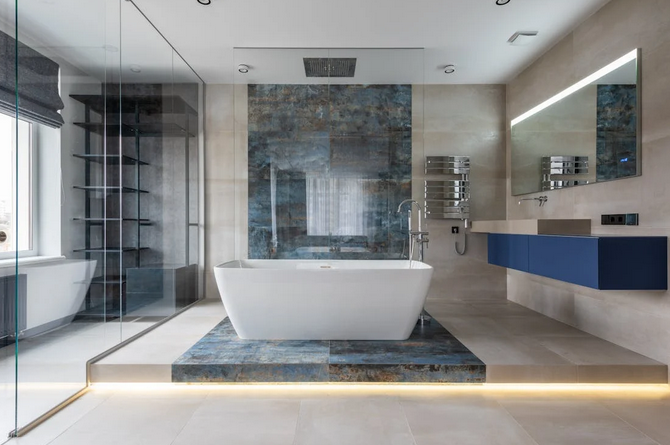
While bold reds or oranges can be energizing, they may feel overwhelming in a small space. Instead, opt for softer versions of these colors to maintain balance. Warm floors are especially effective in bathrooms with limited natural light, as they can counteract a chilly or sterile feel.
Dark Floors: Sophistication and Drama
Deep shades like charcoal, navy, or espresso brown bring a sense of luxury and drama to the bathroom. These colors can ground the space, making it feel more intimate and refined. However, dark floors may show dust and water spots more easily, so consider your cleaning habits before choosing this route.
When paired with lighter walls and fixtures, a dark floor creates striking contrast and visual interest. For those who want a bold, contemporary look, this approach can be highly effective. If you’re concerned about installation challenges, our article on how to avoid lippage in tile installation provides helpful advice for achieving a flawless finish.
Pattern, Texture, and the Role of Accent Colors
While the main floor color sets the mood, patterns and accent hues add personality and depth. Geometric tiles, mosaics, or wood-look planks can introduce movement and interest, while subtle accent colors can tie the floor to other elements in the room. For example, a mostly gray floor with hints of blue or green can reinforce a calming atmosphere without overwhelming the senses.
Texture also plays a role in how color is perceived. Matte finishes tend to soften bold shades, while glossy surfaces can make colors appear brighter and more reflective. When choosing your floor, think about how both color and texture will interact with the rest of your bathroom design.
Current Trends in Bathroom Floor Colors
Modern bathrooms often feature a mix of classic neutrals and nature-inspired hues. Greige (a blend of gray and beige), soft sage, and navy are all trending choices that balance style with psychological comfort. For a closer look at what’s popular, explore the latest bathroom flooring styles and trends from design experts.
Many homeowners are also experimenting with bold patterns, such as herringbone or encaustic tiles, to add a unique touch. These designs allow you to incorporate multiple colors and create a custom look that reflects your personality.
Tips for Choosing the Right Floor Color
- Assess the room’s natural light: Lighter floors can brighten a dim space, while darker shades add depth to sunlit rooms.
- Consider maintenance: Mid-tones and patterned floors tend to hide dirt and water spots better than very light or very dark options.
- Think about long-term appeal: Neutral and classic colors are less likely to feel dated over time.
- Coordinate with wall and fixture colors: Aim for a harmonious palette that supports the mood you want to create.
- Factor in tile size: Larger tiles can make a small bathroom look more spacious, while smaller tiles add texture and grip. For more on this, see our guide on how to choose bathroom tile size.
Frequently Asked Questions
What floor color makes a small bathroom look bigger?
Light shades such as white, pale gray, or soft beige can make a compact bathroom feel more open and airy. These colors reflect more light, visually expanding the space.
Are dark bathroom floors hard to keep clean?
Dark floors can show dust, water spots, and soap residue more easily than lighter options. Choosing a matte finish or a patterned tile can help minimize the appearance of everyday messes.
How do I choose a floor color that matches my bathroom style?
Start by considering your overall design theme. For a modern look, neutrals and cool tones work well. For a cozy or rustic feel, warm shades and natural textures are ideal. Always test samples in your actual space to see how they look in different lighting conditions.