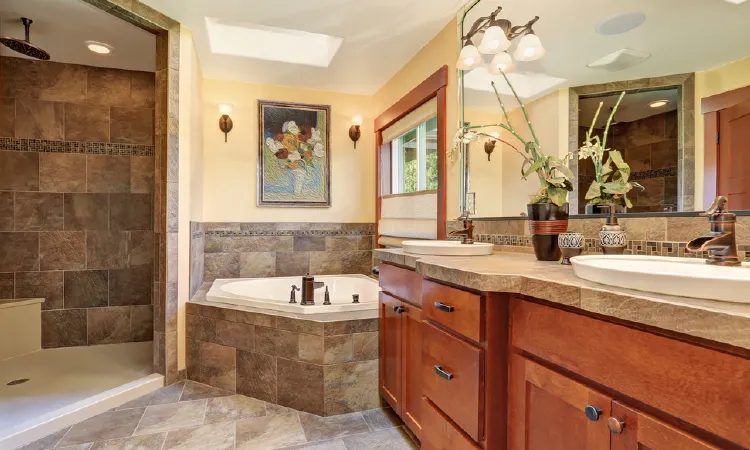
Updating a bathroom floor can feel like a major project, but modern solutions make it easier than ever. Peel and stick bathroom floor tile products have become a popular choice for homeowners and renters looking for a quick, affordable, and stylish upgrade. These self-adhesive tiles offer a practical way to refresh your space without the mess or commitment of traditional tile installation. Whether you want to mimic the look of ceramic, stone, or wood, there are options to fit every taste and budget.
Before diving into the different varieties and features, it’s helpful to understand what makes these tiles so appealing. They are designed for easy installation, require minimal tools, and can often be placed directly over existing flooring. For anyone considering a bathroom renovation, exploring these alternatives can save both time and money. If you’re seeking comprehensive advice on choosing the right flooring, the Bathroom flooring buyer’s guide is a valuable resource for making informed decisions.
Why Choose Self-Adhesive Tiles for Bathrooms?
The main advantage of using peel and stick bathroom floor tile products is their simplicity. Unlike ceramic or porcelain, these tiles don’t require mortar, grout, or specialized tools. Most people can complete a small bathroom floor in just a few hours. The adhesive backing ensures a secure fit, and many brands offer water-resistant or waterproof options suitable for humid environments.
Additional benefits include:
- Affordability: These tiles are generally less expensive than traditional materials.
- Variety: Available in a wide range of colors, patterns, and textures to match any décor.
- Low Commitment: Easy to remove or replace, making them ideal for renters or frequent redecorators.
- DIY-Friendly: No need for professional installation, reducing overall project costs.
Types of Peel and Stick Tiles for Bathroom Floors
There are several types of self-adhesive tiles designed specifically for bathroom use. Each type offers unique features, so it’s important to consider your needs before making a selection. Here’s a breakdown of the most common varieties:
Vinyl Plank and Tile Options
Vinyl is one of the most popular materials for peel and stick bathroom floor tile solutions. It’s durable, water-resistant, and available in both plank and square tile formats. Plank styles often mimic the look of wood, while square tiles can resemble stone, ceramic, or even intricate patterns.
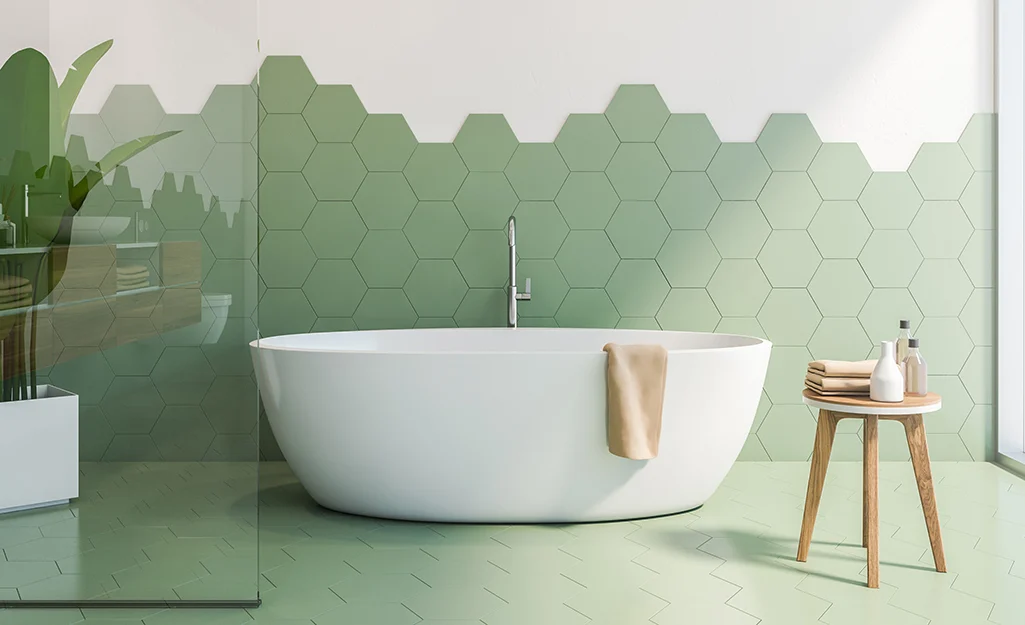
Vinyl tiles are especially popular for their resilience and ease of cleaning. Many brands offer textured surfaces for slip resistance, which is a key consideration in wet areas. For those interested in budget-friendly choices, exploring the most affordable bathroom flooring options can help you compare costs and features.
Stone-Look and Ceramic-Look Alternatives
If you prefer the appearance of natural stone or ceramic but want to avoid the complexity of installation, there are self-adhesive tiles that convincingly replicate these materials. These options often feature realistic textures and patterns, giving your bathroom a high-end look without the associated expense or labor.
Many of these tiles are designed with a thicker wear layer, making them suitable for high-traffic areas. They’re also resistant to moisture, which is essential for bathrooms. When mixing different tile styles, it’s important to maintain a cohesive design. For inspiration, see tips on mixing tile styles on bathroom floor to achieve a balanced look.
Waterproof and Extra-Durable Choices
Some peel and stick bathroom floor tile products are specifically engineered for wet environments. These tiles feature enhanced waterproofing and a tougher surface to withstand daily use. They are ideal for bathrooms that see a lot of foot traffic or are used by children and pets.
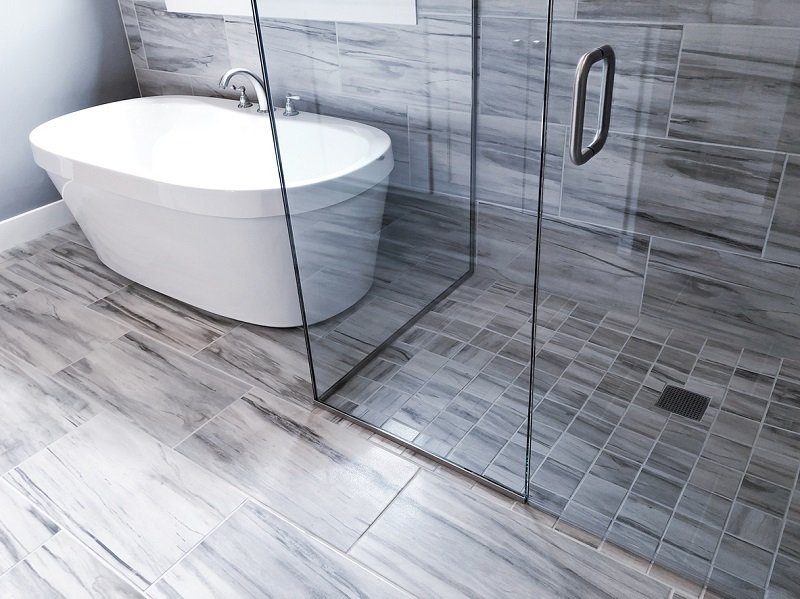
When selecting waterproof tiles, check the manufacturer’s specifications for water resistance and slip rating. This ensures your new floor will perform well under daily bathroom conditions.
Installation Tips for Self-Adhesive Bathroom Tiles
Proper installation is key to getting the best results from your new flooring. Here are some practical steps to follow:
- Prepare the Surface: Clean and dry the existing floor thoroughly. Remove any debris, wax, or grease to ensure good adhesion.
- Plan the Layout: Dry-fit the tiles before peeling the backing to check for fit and pattern alignment.
- Peel and Stick: Start in the center or at a straight edge, depending on your layout. Press each tile firmly into place, smoothing out air bubbles as you go.
- Trim as Needed: Use a sharp utility knife to cut tiles for edges and corners.
- Finish and Maintain: Avoid getting the floor wet for at least 24 hours after installation. Clean regularly with a damp mop and avoid harsh chemicals.
For more detailed advice on tile sizing and layout, the guide on how to choose bathroom tile size offers helpful insights.
Design Ideas and Inspiration
The versatility of self-adhesive tiles allows for creative designs. You can create a classic checkerboard pattern, a modern wood-look floor, or even a bold geometric statement. Mix and match colors or use border tiles to define different zones within the bathroom.
If you’re interested in exploring more creative flooring ideas, check out this collection of bathroom flooring ideas for inspiration. Remember, the right flooring can transform the entire look and feel of your space.
Common Mistakes to Avoid
While installing peel and stick bathroom floor tile is straightforward, there are a few pitfalls to watch out for:
- Failing to properly clean and dry the subfloor, which can lead to poor adhesion.
- Not allowing the tiles to acclimate to room temperature before installation.
- Overlapping tiles or leaving gaps, which can cause moisture to seep underneath.
- Ignoring the manufacturer’s instructions regarding waterproofing and maintenance.
For those installing traditional tiles, learning how to avoid lippage in tile installation is essential for a smooth, professional finish.
Frequently Asked Questions
Are peel and stick tiles suitable for wet bathroom environments?
Yes, many self-adhesive tiles are designed to be water-resistant or waterproof, making them suitable for bathroom floors. Always check the product details to ensure the tiles are rated for wet areas.
Can I install these tiles over existing flooring?
In most cases, you can install peel and stick tiles over existing vinyl, linoleum, or ceramic floors as long as the surface is clean, smooth, and dry. Avoid installing over uneven or damaged surfaces for best results.
How long do self-adhesive bathroom tiles last?
With proper installation and care, quality peel and stick tiles can last several years. Durability depends on the product, the amount of foot traffic, and how well the floor is maintained.