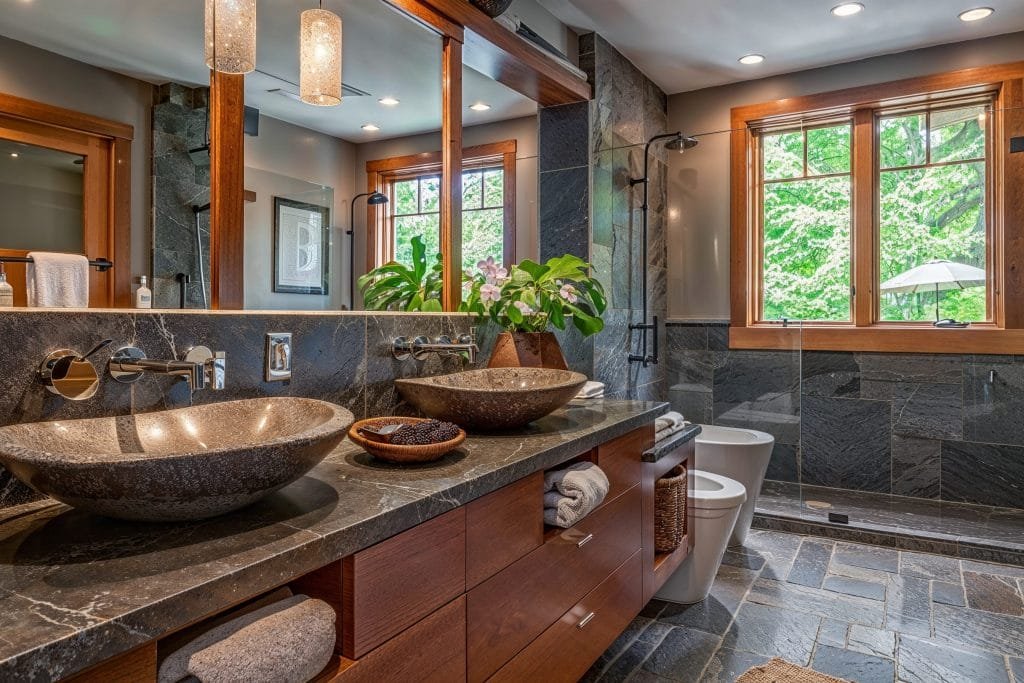
Choosing the right surface for your bathroom vanity is a decision that impacts both the look and function of your space. With so many bathroom countertop options available, it can feel overwhelming to select the best fit for your needs, style, and budget. Whether you’re renovating a master bath, updating a powder room, or planning a full remodel, understanding the pros and cons of each material will help you make a confident choice.
From classic stone to modern composites, each surface brings unique benefits and maintenance requirements. This article explores the most popular choices, practical considerations, and expert tips to help you find the ideal countertop for your bathroom. If you’re also planning a full remodel, don’t miss our guide on measuring bathroom space correctly to ensure your new countertop fits perfectly.
Key Factors to Consider When Selecting a Bathroom Countertop
Before diving into specific materials, it’s important to consider what matters most for your household. Here are a few essential factors to weigh as you compare bathroom countertop options:
- Moisture Resistance: Bathrooms are humid environments. Choose materials that stand up to water and won’t warp, stain, or degrade over time.
- Durability: Countertops should resist scratches, chips, and everyday wear, especially in busy family bathrooms.
- Maintenance: Some surfaces require sealing, special cleaners, or regular upkeep. Others are virtually maintenance-free.
- Style: The countertop sets the tone for your bathroom’s design. Consider color, pattern, and finish to match your vision.
- Budget: Costs can vary widely. Factor in both material price and installation fees when planning your project.
Balancing these factors will help you narrow down your choices and avoid common bathroom remodeling mistakes that can lead to regret or extra expenses.
Popular Bathroom Countertop Materials Compared
Let’s take a closer look at the most common surfaces you’ll encounter when shopping for a new vanity top. Each material offers a unique blend of beauty, durability, and maintenance needs.
Quartz: Durable and Low Maintenance
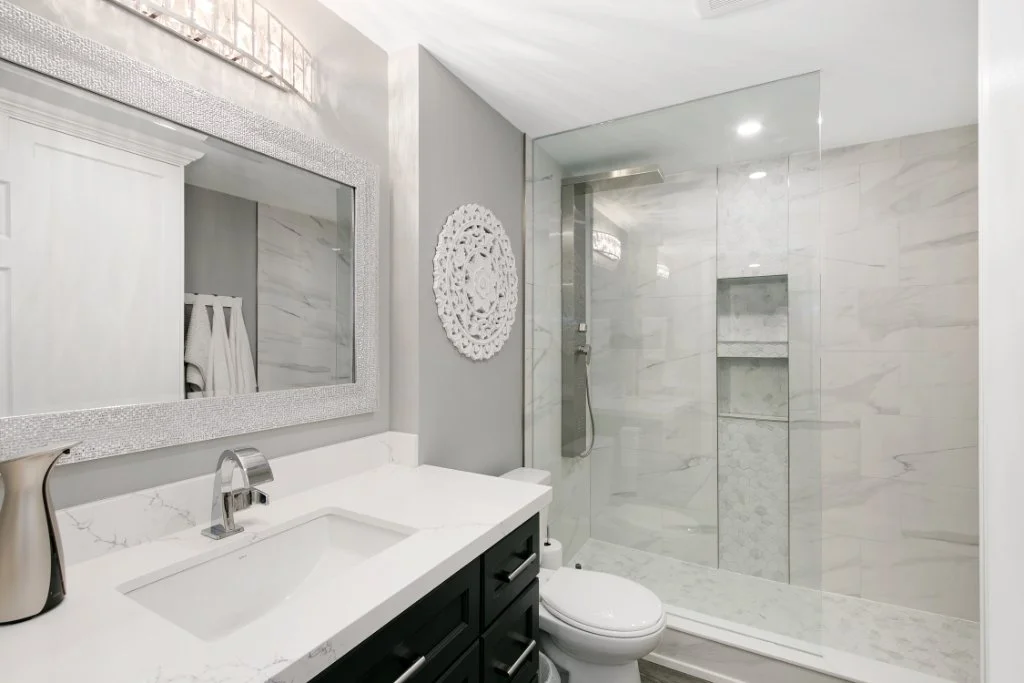
Quartz countertops are engineered from natural quartz crystals combined with resins and pigments. This creates a non-porous, stain-resistant surface that’s ideal for bathrooms. Quartz comes in a wide range of colors and patterns, many mimicking the look of marble or granite without the upkeep. It’s highly resistant to scratches and moisture, making it a practical choice for busy households.
- Pros: Non-porous, resists stains and bacteria, no sealing required, many design options
- Cons: Can be pricier than some alternatives, not as heat-resistant as natural stone
Granite: Timeless Natural Beauty
Granite remains a favorite for those who want a natural stone look. Each slab is unique, offering one-of-a-kind color and veining. Granite is heat- and scratch-resistant, but it is porous and requires periodic sealing to prevent stains and bacteria. With proper care, granite countertops can last for decades and add value to your home.
- Pros: Distinctive appearance, very durable, heat-resistant
- Cons: Needs regular sealing, can be expensive, heavy (may require reinforced cabinetry)
Marble: Elegant but High Maintenance
Marble offers a classic, luxurious look with its soft veining and luminous surface. However, it is softer and more porous than granite or quartz, making it prone to scratches, etching, and stains from water, cosmetics, or cleaning products. Marble requires diligent sealing and gentle cleaning to maintain its beauty, so it’s best suited for low-traffic powder rooms or homeowners willing to commit to upkeep.
- Pros: Unmatched elegance, unique veining, cool to the touch
- Cons: Easily scratched or stained, high maintenance, costly
Solid Surface: Seamless and Customizable
Solid surface countertops (such as Corian) are made from acrylic and polyester blends. They offer a seamless appearance, can be molded to fit custom shapes, and are available in many colors and patterns. Minor scratches can be buffed out, and integrated sinks are possible for a sleek look. However, solid surface materials are less heat- and scratch-resistant than stone.
- Pros: Non-porous, easy to clean, repairable, seamless installation
- Cons: Can scratch or scorch, may not mimic natural stone as convincingly
Laminates: Affordable and Versatile
Laminates are made of layers of paper or fabric bonded to particleboard and topped with a decorative layer. They’re budget-friendly, come in countless colors and patterns, and are easy to install. While modern laminates are more durable than in the past, they can still be prone to chipping, scratching, and water damage if seams are exposed.
- Pros: Inexpensive, wide variety of looks, easy to clean
- Cons: Less durable, susceptible to moisture at seams, can’t be repaired if damaged
Other Noteworthy Choices
- Concrete: Customizable and modern, but requires sealing and can develop hairline cracks.
- Tile: Offers endless design possibilities, but grout lines need regular cleaning and sealing.
- Wood: Warm and inviting, but must be sealed properly to prevent water damage and warping.
- Glass: Sleek and contemporary, resistant to stains but can show water spots and fingerprints.
For more creative ideas, see our roundup of cheap bathroom makeover ideas that can help you refresh your space without a major investment.
How to Match Countertop Materials to Your Bathroom Style
When selecting from the many bathroom countertop options, it’s helpful to think about your overall design goals. Here are a few tips for matching your countertop to your bathroom’s style:
- Modern and Minimalist: Quartz, solid surface, or glass countertops in neutral tones create a sleek, uncluttered look.
- Traditional: Marble or granite with classic veining pairs well with ornate fixtures and timeless cabinetry.
- Rustic or Farmhouse: Wood or concrete countertops add warmth and texture, especially when paired with vessel sinks.
- Eclectic or Artistic: Tile or recycled glass surfaces allow for bold colors and creative patterns.
Don’t forget to coordinate your countertop with your bathroom sink styles and hardware for a cohesive finish. If you’re looking for easy, impactful updates, check out our favorite diy bathroom decor projects you can tackle in a weekend.
Installation and Maintenance Tips
Once you’ve chosen your material, proper installation and care are key to long-lasting beauty. Here are some practical tips:
- Hire a professional for heavy or custom surfaces like stone, concrete, or solid surface to ensure a perfect fit and finish.
- Always use a high-quality sealant on porous materials like granite, marble, or wood, and reapply as recommended.
- Clean regularly with gentle, non-abrasive products to prevent buildup and staining.
- Use trays or organizers to keep toiletries and cosmetics from damaging the surface.
- Address spills and standing water promptly, especially on porous or laminate surfaces.
For more on what’s trending and what remains timeless, see our guide to bathroom decor trends and classic design elements.
Frequently Asked Questions
Which countertop material is best for a busy family bathroom?
Quartz is often the top choice for high-traffic bathrooms due to its non-porous surface, resistance to stains and scratches, and minimal maintenance needs. Solid surface and modern laminates are also good options for families on a budget.
How often do stone countertops need to be sealed?
Natural stone surfaces like granite and marble should be sealed at installation and resealed every 6–12 months, depending on usage and manufacturer recommendations. Regular sealing helps prevent stains and bacteria growth.
Can I install a new countertop myself?
DIY installation is possible with lightweight materials like laminate or tile, especially for standard-size vanities. However, heavy or custom materials such as granite, quartz, or concrete usually require professional installation to ensure safety and a flawless result.
Are there eco-friendly countertop options for bathrooms?
Yes, recycled glass, bamboo, and some composite surfaces are considered environmentally friendly. These materials often use recycled content and low-emission resins, making them a greener choice for sustainable remodels.
Conclusion
With so many bathroom countertop options on the market, the best choice depends on your lifestyle, design preferences, and budget. By weighing durability, maintenance, and style, you can select a surface that enhances your bathroom for years to come. Remember to coordinate your new countertop with other elements in your space for a cohesive look and lasting value.