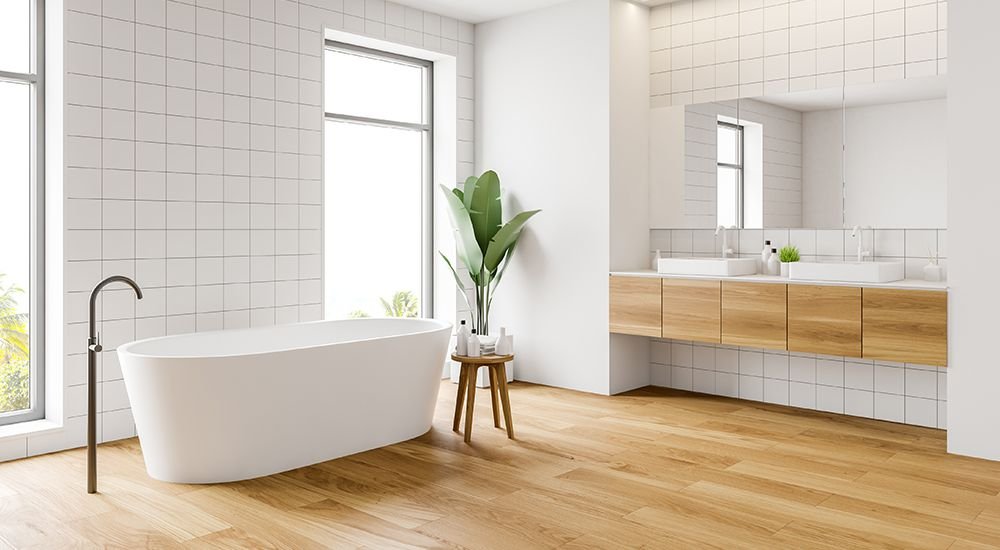
Natural stone brings a timeless, elegant look to any bathroom, but it also requires specific care to maintain its beauty and durability. One of the most important steps in protecting your investment is sealing natural stone bathroom floors. This process helps prevent water damage, staining, and wear, ensuring your floors look their best for years to come. Whether you have marble, travertine, slate, or another type of stone, understanding how and why to seal these surfaces is essential for every homeowner.
Before diving into the details of sealing, it’s helpful to explore the broader context of bathroom flooring choices. For a comprehensive overview of materials, maintenance, and design tips, see the bathroom flooring buyer’s guide.
Why Sealing Is Essential for Stone Surfaces in Bathrooms
Bathrooms are high-moisture environments, making stone floors especially vulnerable to water penetration, mold, and staining. Unlike ceramic or porcelain, natural stone is porous, which means it can absorb liquids and become discolored or damaged over time. Regular sealing of natural stone bathroom floors acts as a protective barrier, reducing the risk of water spots, etching from soaps and shampoos, and buildup of grime.
Without proper protection, even the most durable stones can show signs of wear. Sealing also makes cleaning easier, as dirt and spills remain on the surface rather than soaking in. This is particularly important in bathrooms, where cosmetics, hair products, and hard water can all contribute to staining.
Types of Sealers for Stone Flooring
Choosing the right sealer depends on the type of stone and the desired finish. There are two main categories:
- Penetrating Sealers: These soak into the stone, forming an invisible barrier that repels moisture and stains without altering the appearance. They are ideal for most bathroom applications, as they allow the stone to breathe while providing strong protection.
- Topical Sealers: These create a surface layer that can enhance color and add a sheen. While they offer good protection, they may require more frequent reapplication and can become slippery when wet, which is a consideration for bathroom safety.
Always check the manufacturer’s recommendations for your specific stone type. Some stones, like slate and limestone, are more porous and may benefit from multiple coats or a combination of sealers.
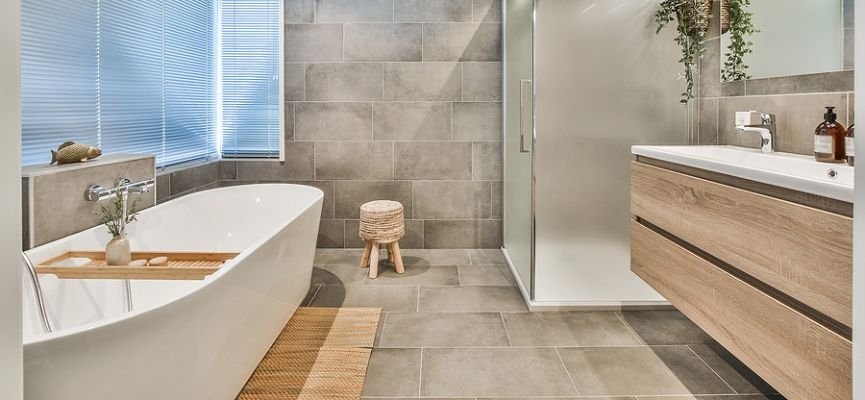
Step-by-Step Process for Sealing Stone Floors
Proper application is key to maximizing the benefits of sealing. Here’s a straightforward process to follow:
- Clean the Surface: Remove all dust, debris, and stains using a pH-neutral stone cleaner. Allow the floor to dry completely before proceeding.
- Test the Sealer: Apply a small amount of sealer in an inconspicuous area to ensure compatibility and check for any unwanted color changes.
- Apply the Sealer: Use a clean mop, sponge, or applicator pad to spread the sealer evenly across the floor. Work in small sections to avoid missing spots.
- Let It Absorb: Allow the sealer to penetrate for the time recommended by the manufacturer, usually 10–15 minutes.
- Wipe Off Excess: After absorption, wipe away any remaining sealer with a clean, dry cloth to prevent streaking or residue.
- Allow to Cure: Avoid foot traffic and water exposure for at least 24 hours, or as directed by the product instructions.
- Repeat if Needed: Some stones may require a second coat for optimal protection.
For additional tips on installation and avoiding common pitfalls like uneven tiles, see the guide on how to avoid lippage in tile installation.
How Often Should You Reseal Stone Bathroom Floors?
The frequency of resealing depends on the type of stone, the amount of foot traffic, and the specific sealer used. As a general rule, most bathroom stone floors benefit from resealing every 1–2 years. High-traffic areas or stones with higher porosity may require more frequent attention.
To check if your floor needs resealing, sprinkle a few drops of water on the surface. If the water beads up, the seal is still effective. If it soaks in and darkens the stone, it’s time to reapply.
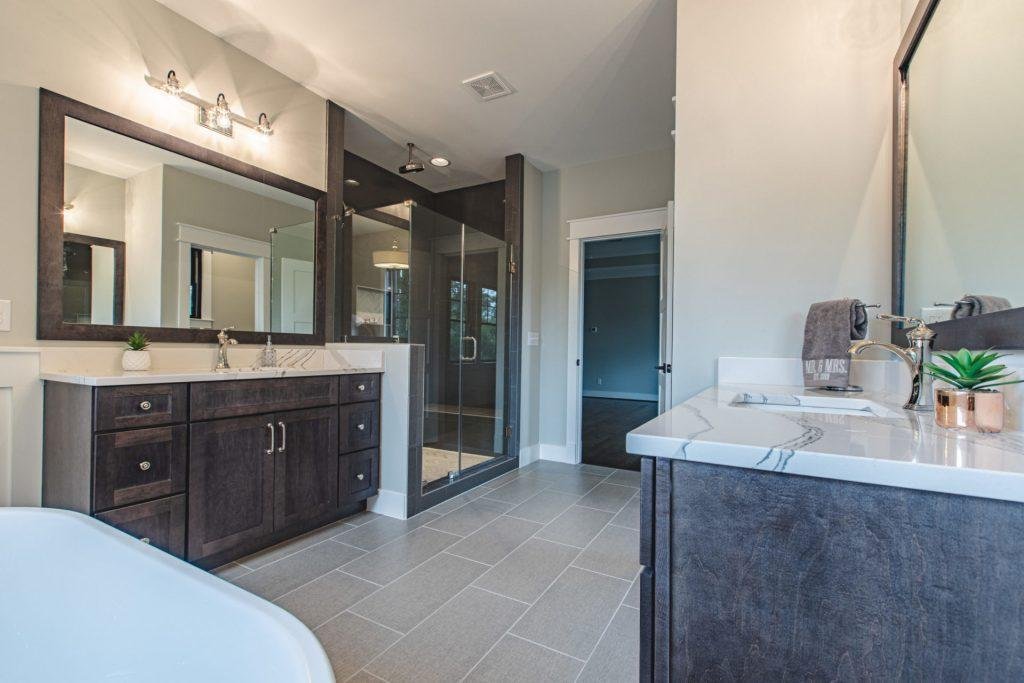
Tips for Maintaining Sealed Stone in Bathrooms
Once your stone floors are sealed, regular maintenance will help preserve their appearance and function:
- Use a soft mop or cloth and a pH-neutral cleaner for routine cleaning. Avoid harsh chemicals and acidic products, which can damage both the stone and the sealer.
- Wipe up spills promptly to prevent staining, especially from colored toiletries or cosmetics.
- Place mats or rugs at entry points to reduce dirt and grit that can scratch the surface.
- Check grout lines regularly, as these can also absorb moisture and benefit from sealing.
- Consider using non-slip mats in wet areas to enhance safety, particularly if a topical sealer has been applied.
For those interested in mixing materials or exploring affordable alternatives, you might find inspiration in articles about most affordable bathroom flooring and mixing tile styles on bathroom floor.
Choosing the Right Stone and Sealer for Your Bathroom
Not all stones are created equal when it comes to bathroom use. Marble, travertine, and limestone are popular for their luxurious appearance but are more susceptible to etching and staining. Slate and granite tend to be more durable and less porous, making them easier to maintain.
When selecting a sealer, look for products specifically formulated for your stone type and intended for wet environments. Some sealers are designed to enhance color, while others preserve the natural matte finish. Always follow the manufacturer’s instructions for best results.
For more bathroom design ideas and inspiration, check out bathroom flooring inspiration from Karndean.
Frequently Asked Questions
What happens if I don’t seal my natural stone bathroom floor?
Without sealing, stone floors are more likely to absorb water, develop stains, and show signs of wear. Over time, this can lead to permanent discoloration, mold growth, and damage that may require costly repairs or replacement.
Can I use any household cleaner on sealed stone?
It’s best to use a pH-neutral cleaner specifically designed for natural stone. Acidic or abrasive cleaners can break down the sealer and damage the stone, reducing its lifespan and appearance.
How do I know when it’s time to reseal my stone floor?
Perform a simple water test: sprinkle a few drops of water on the floor. If the water beads up, the seal is still effective. If it absorbs and darkens the stone, it’s time to reseal.
Is sealing necessary for all types of stone?
Most natural stones benefit from sealing, but the frequency and type of sealer may vary. Granite and slate may require less frequent sealing than marble or limestone, but all natural stones in bathrooms should be protected for longevity.
Conclusion
Taking the time to properly seal and maintain your stone bathroom floors will help them withstand daily use and retain their natural beauty. By choosing the right products and following best practices, you can enjoy a luxurious, low-maintenance surface for years to come. For more guidance on selecting the right size and style of tile, see the article on how to choose bathroom tile size.