Choosing the right surface for your bathroom can make a significant difference in both appearance and function. Quartz bathroom countertops have become a popular choice for homeowners seeking a blend of modern style, durability, and low maintenance. In this guide, you’ll discover the main advantages of quartz, what to expect in terms of pricing, and the wide range of design options available.
Whether you’re planning a full renovation or a simple refresh, understanding the features of quartz will help you make an informed decision. If you’re still in the early stages of planning, you might also want to review tips on measuring bathroom space correctly to ensure your new countertop fits perfectly.
Why Homeowners Choose Quartz for Bathroom Surfaces
Quartz is an engineered stone made from natural quartz crystals combined with resins and pigments. This process results in a non-porous, highly durable surface that stands up well to the demands of a busy bathroom. Here are some of the top reasons people opt for quartz bathroom countertops:
- Durability: Quartz resists scratches, chips, and cracks better than many natural stones.
- Stain Resistance: Its non-porous nature means spills from makeup, toothpaste, or soap won’t seep in or cause permanent stains.
- Low Maintenance: Unlike marble or granite, quartz doesn’t require sealing. Simple cleaning with mild soap and water is usually enough.
- Consistent Appearance: Because it’s engineered, quartz offers uniform color and pattern, making it easier to match with other bathroom elements.
- Variety of Styles: From pure whites to dramatic veining, quartz can mimic the look of marble, granite, or offer unique modern designs.
These qualities make quartz a practical and stylish solution for bathrooms of all sizes and styles.
Comparing Quartz to Other Bathroom Countertop Materials
When selecting a new countertop, it’s helpful to weigh the pros and cons of quartz against other popular options. Here’s a quick comparison:
| Material | Durability | Maintenance | Appearance | Cost Range (per sq. ft.) |
|---|---|---|---|---|
| Quartz | Excellent | Low | Wide variety | $60–$120 |
| Granite | Very good | Moderate (needs sealing) | Natural variation | $50–$100 |
| Marble | Moderate (can scratch/stain) | High (requires sealing) | Classic veining | $70–$150 |
| Laminate | Fair | Low | Many colors/patterns | $20–$50 |
| Solid Surface | Good | Low | Seamless look | $40–$80 |
Quartz stands out for its combination of resilience, easy care, and design flexibility. While it may cost more upfront than laminate or some solid surfaces, its long-term value and minimal upkeep often make it a worthwhile investment.
Popular Styles and Design Options for Quartz Bathroom Countertops
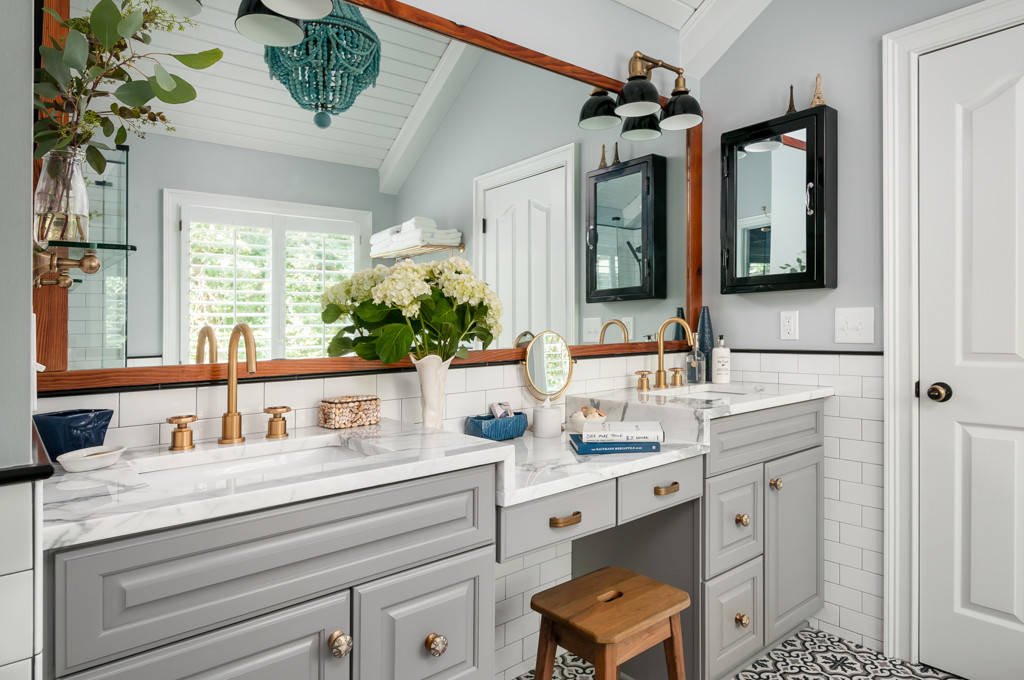
One of the biggest advantages of quartz is the sheer range of looks you can achieve. Whether your bathroom is sleek and modern or warm and traditional, there’s a quartz style to match. Here are some of the most popular choices:
- Classic White: Timeless and versatile, white quartz brightens up small bathrooms and pairs well with any color scheme.
- Marble-Look Quartz: Get the elegance of marble veining without the maintenance headaches.
- Bold Colors: From deep blues to dramatic blacks, colored quartz can make a statement in contemporary spaces.
- Textured Finishes: Matte, honed, or leathered finishes add tactile interest and reduce glare.
- Integrated Sinks: Some quartz fabricators offer seamless sink integration for a sleek, easy-to-clean vanity.
For inspiration on how to incorporate quartz into your bathroom, you might also enjoy browsing diy bathroom decor projects that can complement your new countertop.
Cost Breakdown: What to Expect with Quartz Vanity Tops
Budgeting for a bathroom update means understanding all the costs involved. The price of quartz surfaces can vary based on several factors:
- Material Quality: Premium brands and colors with unique veining or finishes may cost more.
- Thickness: Standard thickness is usually 2cm or 3cm. Thicker slabs are more expensive but offer a more substantial look.
- Edge Profiles: Decorative edges (like ogee or bullnose) add to the cost compared to simple square edges.
- Installation: Professional installation is highly recommended for quartz and is typically included in the price per square foot.
- Cutouts: Sinks, faucets, and custom shapes may increase labor costs.
On average, expect to pay between $60 and $120 per square foot installed. For a standard single-sink vanity (about 4–6 feet long), total costs typically range from $500 to $1,500, depending on your selections. While this is more than laminate or tile, the longevity and low maintenance of quartz often justify the investment.
Care and Maintenance Tips for Quartz Surfaces
One of the main reasons homeowners love quartz is its simple upkeep. Here are some care tips to keep your countertop looking its best:
- Wipe up spills promptly with a soft cloth and mild soap.
- Avoid harsh chemicals or abrasive scrubbers that can dull the surface.
- Use a cutting board for grooming tools; while quartz is scratch-resistant, it’s not scratch-proof.
- Place hot tools (like curling irons) on a trivet or heat pad to prevent thermal shock.
With these basic habits, your quartz vanity will maintain its shine and beauty for years.
Design Inspiration and Planning Resources
Quartz can be the centerpiece of a bathroom makeover or a subtle upgrade that ties the room together. For more ideas on how to create a cohesive look, check out these resources:
- cheap bathroom makeover ideas for budget-friendly updates.
- Explore bathroom sink styles to pair with your new vanity top.
- Get inspired by timeless bathroom design ideas that complement quartz surfaces.
- For a comprehensive approach, read this guide to planning the perfect bathroom renovation for expert tips on layout, fixtures, and finishes.
Frequently Asked Questions
Are quartz countertops suitable for bathrooms with high humidity?
Yes, quartz is non-porous and highly resistant to moisture, making it an excellent choice for humid environments like bathrooms. It won’t warp, swell, or harbor mold and mildew when properly installed.
Can quartz surfaces be repaired if they chip or crack?
Minor chips can often be repaired by a professional using color-matched epoxy. However, quartz is very durable and less likely to chip than many natural stones. For significant damage, replacement of the affected section may be necessary.
Is quartz more expensive than granite or marble?
Quartz is typically priced similarly to mid- to high-end granite and less than premium marble. While the initial cost may be higher than some materials, the low maintenance and long lifespan can make it more cost-effective over time.
How do I choose the right quartz color for my bathroom?
Consider your overall color scheme, lighting, and the style you want to achieve. Lighter colors can make small bathrooms feel larger, while bold patterns or dark shades create a dramatic effect. Request samples to view in your space before making a final decision.
Does quartz require sealing?
No, quartz does not require sealing. Its non-porous surface naturally resists stains and bacteria, making it easy to keep clean with regular wiping.
Quartz bathroom countertops offer a balance of beauty, strength, and easy care. With a wide variety of styles and finishes, they can enhance any bathroom design while providing long-lasting value.