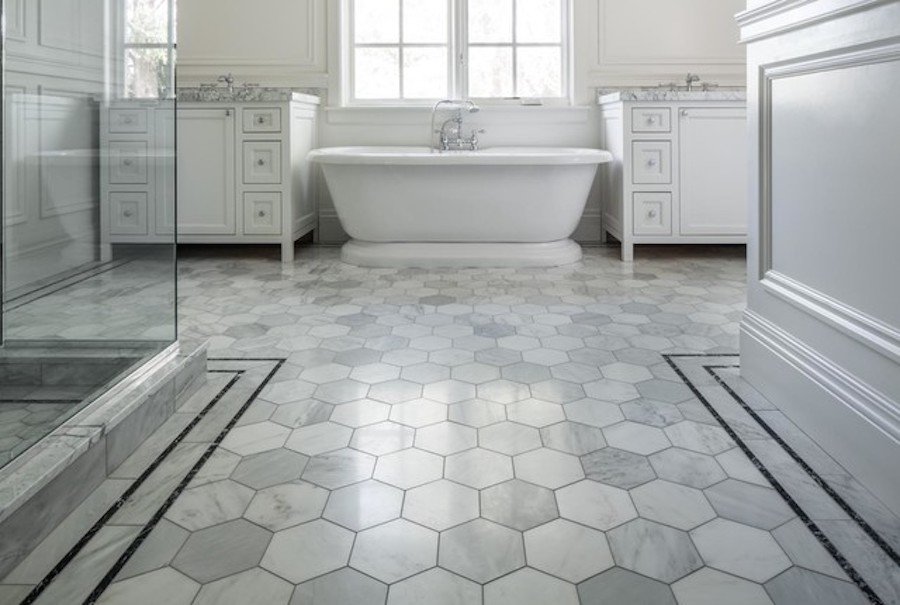
Choosing the right flooring for a bathroom is a significant decision, especially when considering natural stone options like marble. Homeowners are often drawn to marble for its luxurious appearance and timeless appeal, but it’s important to weigh both the advantages and drawbacks before making an investment. This article breaks down the marble bathroom floor pros and cons to help you determine if this material is the right fit for your space.
Whether you’re planning a full renovation or just updating your bathroom floor, understanding the unique characteristics of marble can save you time, money, and future headaches. For a comprehensive look at flooring choices, you may also want to explore our bathroom flooring buyer’s guide, which covers a wide range of materials and considerations.
Key Advantages of Marble Flooring in Bathrooms
Marble is often associated with elegance and sophistication, making it a popular choice for high-end bathroom designs. Here are some of the most notable benefits of installing marble flooring in your bathroom:
- Luxurious Aesthetic: Marble offers a unique, natural veining pattern that can instantly elevate the look of any bathroom. Its reflective surface enhances light, making small spaces appear larger and brighter.
- Durability: When properly sealed and maintained, marble can withstand years of use. It’s a hard stone that resists scratches and dents better than many other flooring materials.
- Increased Property Value: Homes with marble features often attract buyers and can command higher resale prices due to the perceived value and premium finish.
- Variety of Styles: Marble comes in a wide range of colors and patterns, allowing for customization to match any design preference, from classic white Carrara to dramatic black Marquina.
- Natural Cooling Effect: Marble remains cool to the touch, which can be especially pleasant in warm climates or during the summer months.
Potential Drawbacks of Marble Bathroom Floors
While marble has many appealing qualities, it’s important to consider the challenges that come with this material. Here are some of the main disadvantages:
- Porosity and Staining: Marble is a porous stone, meaning it can absorb water and other liquids. This makes it susceptible to stains from cosmetics, soaps, and even hard water unless sealed regularly.
- Slipperiness: The polished surface of marble can become very slippery when wet, increasing the risk of slips and falls—an important consideration in bathrooms.
- Maintenance Requirements: Marble needs regular sealing and gentle cleaning with pH-neutral products. Harsh cleaners or acidic substances can etch or dull the surface.
- Cost: Marble is one of the more expensive flooring options, both in terms of material and installation. Repairs can also be costly if tiles crack or chip.
- Vulnerability to Etching: Acidic substances, such as certain cleaners or even lemon juice, can react with marble and leave dull spots or etch marks.
Comparing Marble to Other Bathroom Flooring Options
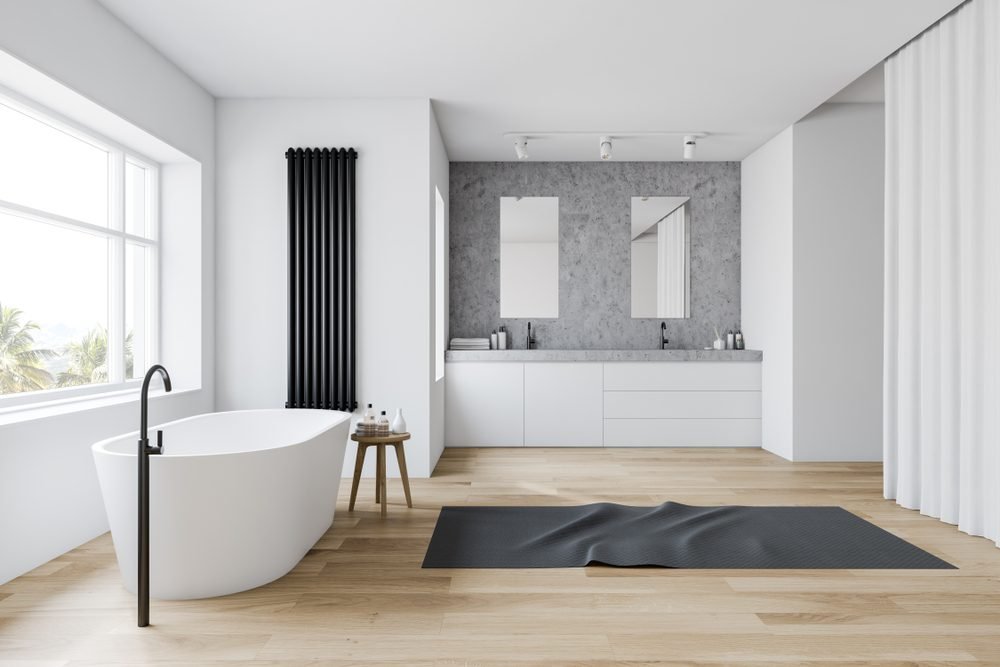
When evaluating marble bathroom floor pros and cons, it’s helpful to compare marble with other popular flooring materials. Vinyl, porcelain, and ceramic tiles are common alternatives, each with their own strengths and weaknesses.
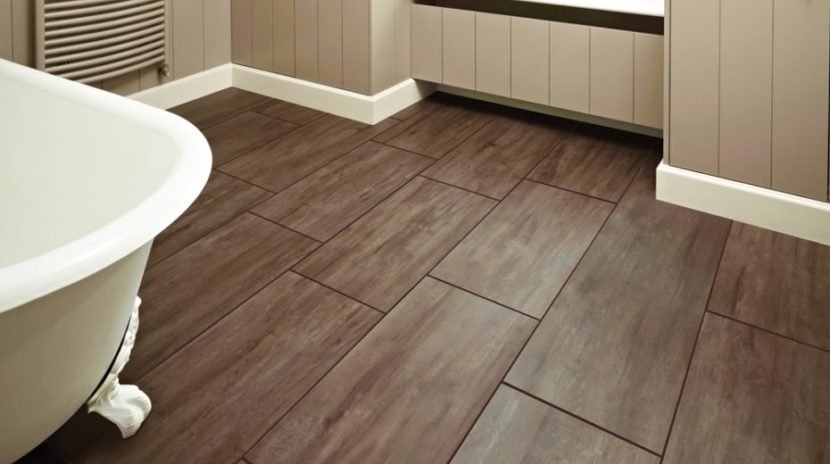
- Vinyl: Offers water resistance, affordability, and easy installation. While it lacks the natural look of marble, modern designs can mimic stone at a lower price point.
- Porcelain and Ceramic Tiles: These tiles are durable, water-resistant, and available in a wide range of styles. They generally require less maintenance than marble and are less prone to staining.
- Engineered Stone: Provides some of the beauty of natural stone with improved durability and lower maintenance needs.
For more inspiration and ideas, you can browse bathroom flooring inspiration from Karndean, which showcases a variety of modern and traditional looks.
Installation and Maintenance Considerations
Installing marble flooring requires expertise to ensure a level surface and proper sealing. It’s best to hire professionals with experience in natural stone installation. During installation, it’s crucial to avoid lippage—uneven tile edges that can create tripping hazards and detract from the floor’s appearance. For tips on achieving a flawless finish, see our guide on how to avoid lippage in tile installation.
Maintenance is an ongoing commitment with marble. Regular sealing helps protect against stains and moisture, while daily cleaning should be done with soft cloths and gentle, non-acidic cleaners. Avoid using vinegar, bleach, or abrasive pads, as these can damage the stone.
Design Tips for Marble Bathroom Floors
To maximize the beauty and functionality of marble in your bathroom, consider the following design strategies:
- Mixing Materials: Combine marble with other tile types for visual interest and improved slip resistance. For ideas, check out our article on mixing tile styles on bathroom floor.
- Choosing the Right Size: Large-format marble tiles can create a seamless look, while smaller tiles or mosaics add texture and grip. Learn more about selecting tile dimensions in our guide on how to choose bathroom tile size.
- Accent Borders: Use marble as an accent or border rather than the main flooring to reduce costs and maintenance while still achieving a high-end look.
- Matte vs. Polished Finishes: A honed (matte) finish provides better traction underfoot and can help minimize the appearance of scratches or etching.
Cost Breakdown and Affordability
The price of marble flooring varies depending on the type of marble, tile size, and installation complexity. On average, marble tiles can cost between $8 and $20 per square foot, not including labor. Installation by a skilled professional is highly recommended, which can add significantly to the overall expense.
If you’re working with a limited budget, consider alternatives that offer a similar look for less. For example, luxury vinyl tiles and porcelain tiles can mimic the appearance of marble at a fraction of the price. For more budget-friendly options, see our article on the most affordable bathroom flooring.
FAQ: Common Questions About Marble Bathroom Floors
Is marble a good choice for bathrooms with heavy use?
Marble can be suitable for bathrooms with regular use if it’s properly sealed and maintained. However, in high-traffic family bathrooms, you may need to clean and reseal more often to prevent staining and etching.
How can I make marble bathroom floors less slippery?
To reduce slipperiness, opt for honed or textured marble tiles instead of polished ones. Adding bath mats and rugs in high-risk areas can also help improve safety.
What is the best way to clean marble flooring in a bathroom?
Use a soft mop or cloth with a pH-neutral cleaner specifically designed for natural stone. Avoid acidic or abrasive products, as they can damage the marble’s surface.
Does marble flooring work with underfloor heating?
Yes, marble is an excellent conductor of heat and works well with radiant floor heating systems, providing comfort and warmth underfoot.
Can I install marble tiles myself?
While DIY installation is possible for experienced renovators, marble is heavy, brittle, and requires precise handling. Professional installation is recommended for best results and to avoid costly mistakes.