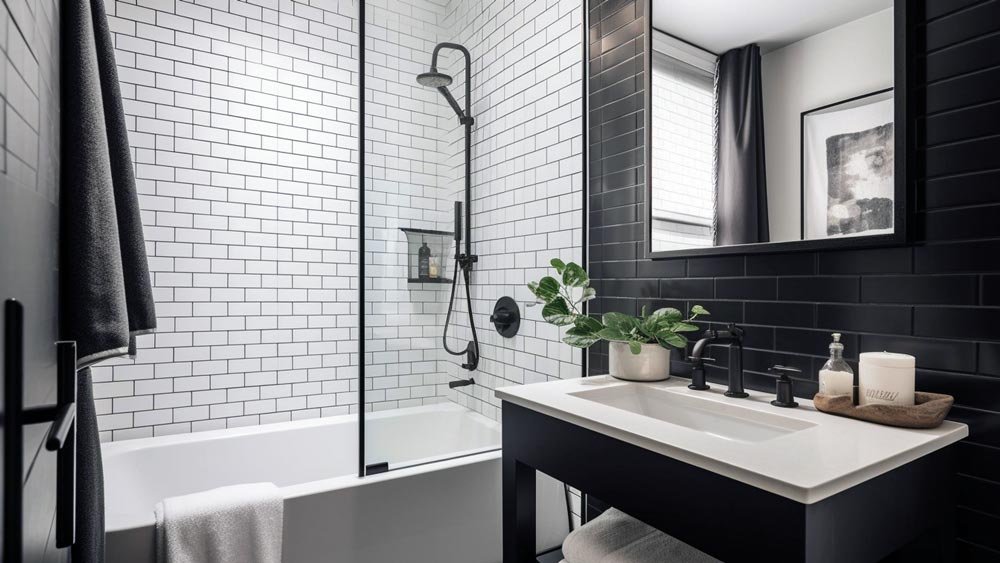
Adding a heated bathroom floor can transform your daily routine, providing comfort and a touch of luxury, especially during colder months. Whether you’re planning a full remodel or simply want to upgrade your bathroom experience, understanding the options, costs, and installation process is essential. This guide covers everything you need to know about radiant floor heating systems, their benefits, and what to expect during installation.
Before diving into the details, it’s important to consider your bathroom’s layout and size. For a precise estimate and effective installation, start by measuring bathroom space correctly. This ensures you select the right system and avoid common mistakes that can add unnecessary costs or delays.
Why Choose a Radiant Floor Heating System?
Radiant floor heating is an increasingly popular choice for homeowners looking to enhance comfort and energy efficiency. Unlike forced-air systems, radiant heat warms the floor directly, creating an even temperature throughout the room. This method reduces drafts and eliminates cold spots, making it ideal for bathrooms where tile or stone floors can feel chilly.
Some of the key benefits include:
- Consistent warmth underfoot, especially appreciated during winter.
- Energy efficiency—radiant systems often use less energy than traditional heating methods.
- Silent operation with no fans or blowers.
- Improved air quality since there’s no air movement stirring up dust or allergens.
- Space-saving design, as the heating elements are hidden beneath the floor.
Types of Heated Bathroom Floors
There are two main types of radiant floor heating systems suitable for bathrooms: electric and hydronic. Each has its own advantages, installation requirements, and cost considerations. Choosing the right type depends on your budget, bathroom size, and whether you’re renovating or building new.
Electric Radiant Floor Heating
Electric systems use cables or mats installed beneath the floor covering. They are typically easier and less expensive to install in small spaces like bathrooms, especially during remodels. The mats can be cut to fit around fixtures and are compatible with most tile, stone, or laminate flooring.
- Pros: Quick installation, ideal for retrofits, low maintenance.
- Cons: Higher operating costs than hydronic systems in large areas.
Hydronic Radiant Floor Heating
Hydronic systems circulate warm water through tubing embedded in the floor. These are more complex and generally suited for larger spaces or new construction. While the upfront cost is higher, hydronic systems are more efficient for heating multiple rooms or entire homes.
- Pros: Lower long-term operating costs, efficient for large areas.
- Cons: More expensive and invasive to install, requires a boiler or water heater.
Understanding Heated Floor Costs
The total investment for a heated bathroom floor depends on several factors, including the type of system, bathroom size, and labor rates in your area. Here’s a breakdown of typical costs:
| System Type | Material Cost (per sq. ft.) | Installation Cost (per sq. ft.) | Total Estimated Cost (per sq. ft.) |
|---|---|---|---|
| Electric Mat | $5 – $12 | $8 – $15 | $13 – $27 |
| Hydronic | $6 – $20 | $10 – $20 | $16 – $40 |
For a standard bathroom (about 40 square feet), expect to pay between $500 and $1,500 for electric systems and up to $2,000 or more for hydronic options. These figures include both materials and professional installation. Keep in mind that prices can vary based on your location and the complexity of the project.
Additional costs may include:
- Upgrading your electrical panel (if needed for electric systems)
- New floor coverings or subfloor preparation
- Thermostats and control systems
Installation Process: What to Expect
Installing a radiant floor heating system is a multi-step process. While some experienced DIYers may tackle electric mat installations, professional help is strongly recommended for hydronic systems or if you’re unfamiliar with electrical work. Here’s an overview of the typical steps:
- Preparation: Remove old flooring and ensure the subfloor is clean and level.
- Layout: Plan the heating element layout, avoiding areas under permanent fixtures.
- Installation: Lay out electric mats or hydronic tubing according to the manufacturer’s instructions.
- Wiring/Plumbing: Connect the system to your home’s electrical or plumbing supply. This step should be performed by a licensed professional.
- Testing: Test the system before installing the final floor covering to ensure proper operation.
- Flooring: Install tile, stone, or compatible flooring over the heating system.
- Finishing: Set up the thermostat and program the desired temperature schedule.
Proper installation is crucial for safety and efficiency. Skipping steps or using incompatible materials can lead to uneven heating or system failure. For more tips on avoiding common pitfalls, see this comprehensive list of bathroom remodel mistakes to avoid.
Design Considerations and Maintenance
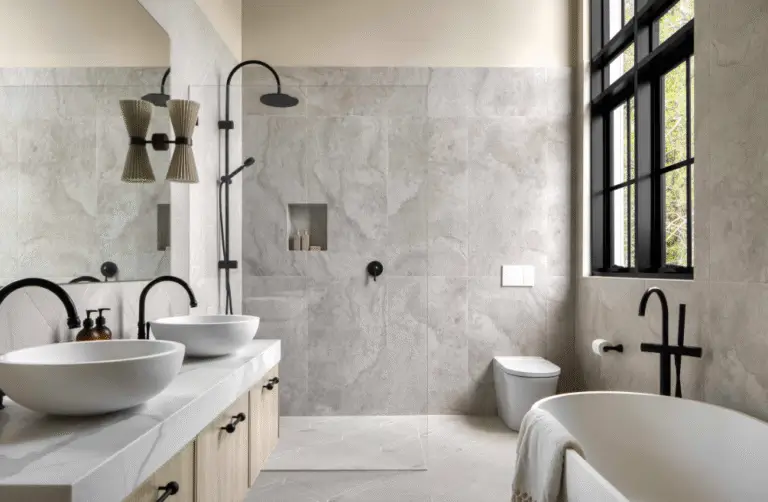
When planning your bathroom upgrade, it’s important to coordinate your heated floor system with other design elements. For inspiration on finishes and fixtures, explore the latest bathroom decor trends or consider incorporating diy bathroom decor projects for a personalized touch.
Maintenance for radiant floor heating is minimal. Electric systems require little upkeep beyond periodic thermostat checks. Hydronic systems may need occasional inspection of pumps and valves, but most issues are rare when installed correctly. Always follow the manufacturer’s guidelines for cleaning and servicing your system.
Is a Heated Floor Right for Your Bathroom?
Deciding whether to install a radiant floor heating system depends on your budget, comfort preferences, and renovation goals. For those seeking a spa-like experience or planning a long-term investment in their home, the benefits often outweigh the costs. If you’re working with a tight budget, you can still achieve a fresh look with cheap bathroom makeover ideas and add radiant heating later.
Before making a final decision, consult with a qualified installer to assess your bathroom’s suitability and receive a detailed quote. Proper planning ensures you’ll enjoy a warm, inviting bathroom for years to come.
Frequently Asked Questions
How long does it take to install a heated bathroom floor?
For electric systems in a standard-sized bathroom, installation typically takes 1–2 days, including floor preparation and final flooring. Hydronic systems may require additional time due to plumbing work and are best suited for new builds or major renovations.
Can radiant floor heating be installed under any type of flooring?
Most radiant systems are compatible with tile, stone, and some types of laminate or engineered wood. However, carpet and solid hardwood are generally not recommended, as they can insulate the heat and reduce efficiency. Always check manufacturer guidelines for approved flooring types.
Is radiant floor heating energy efficient?
Yes, radiant floor heating is often more energy efficient than traditional forced-air systems, especially in small spaces like bathrooms. The even distribution of heat allows you to set lower thermostat temperatures while maintaining comfort, which can help reduce energy bills.