Modern bathrooms demand flooring that is both stylish and practical. Concrete bathroom floor ideas have become increasingly popular for their sleek appearance, durability, and versatility. Whether you’re renovating a master suite or updating a powder room, concrete offers a contemporary foundation that works with a variety of design aesthetics. This guide explores the best ways to use concrete in bathroom flooring, from finishes and textures to color options and maintenance tips.
Before diving into specific design inspirations, it’s important to understand why so many homeowners and designers are turning to concrete. Not only does it provide a seamless, minimalist look, but it also stands up to moisture and heavy use—two key factors in any bathroom. For a deeper dive into selecting the right surface, check out the bathroom flooring buyer’s guide for homeowners.
Why Choose Concrete for Your Bathroom Floor?
Concrete floors are no longer just for industrial spaces. In today’s homes, they offer a unique blend of form and function. Here are some reasons why concrete is an excellent choice for bathrooms:
- Durability: Concrete stands up to water, stains, and heavy foot traffic, making it ideal for wet environments.
- Low Maintenance: With proper sealing, concrete floors are easy to clean and resist mold and mildew.
- Design Flexibility: From polished to textured, colored to patterned, concrete can be customized to fit any style.
- Seamless Look: Large, continuous surfaces create a modern, uncluttered vibe that’s perfect for contemporary bathrooms.
For those seeking cost-effective solutions, you might also want to explore the most affordable bathroom flooring options, which include concrete among other choices.
Popular Finishes and Textures for Concrete Bathroom Floors
One of the biggest advantages of using concrete is the variety of finishes available. Here are some top choices for modern bathrooms:
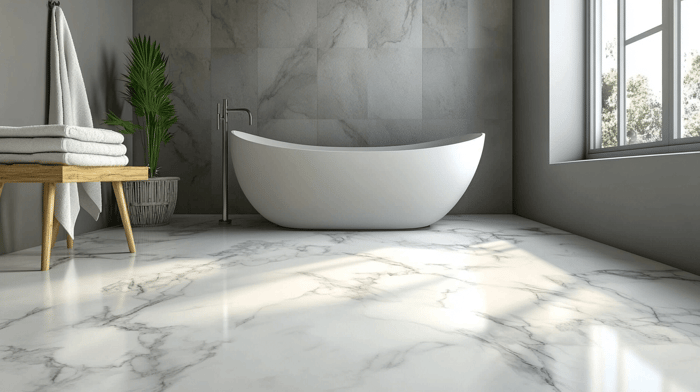
- Polished Concrete: This finish delivers a glossy, mirror-like surface that reflects light and brightens up the space. It’s easy to clean and works well in minimalist designs.
- Matte or Satin Sealed: For a softer look, matte sealers provide a subtle sheen while still protecting the floor from moisture and stains.
- Textured or Stamped: Adding texture or patterns can mimic the look of stone, tile, or even wood, offering visual interest and slip resistance.
- Colored or Stained: Concrete can be tinted in a wide range of hues, from cool greys to warm earth tones, allowing you to match your bathroom’s color palette.
Choosing the right finish depends on your design goals and how much maintenance you’re willing to perform. Polished surfaces are sleek but may require more frequent cleaning to maintain their shine, while matte and textured finishes can hide water spots and minor imperfections.
Design Inspirations: Modern Ways to Use Concrete in Bathrooms
There are countless ways to incorporate concrete into your bathroom’s flooring design. Here are a few creative approaches:
Minimalist and Monochrome Looks
For a truly modern feel, opt for a smooth, polished concrete floor in a light grey or white tone. Pair it with floating vanities and frameless glass showers to enhance the open, airy vibe. This approach works especially well in smaller bathrooms, making them appear larger and brighter.
Warmth with Wood Accents
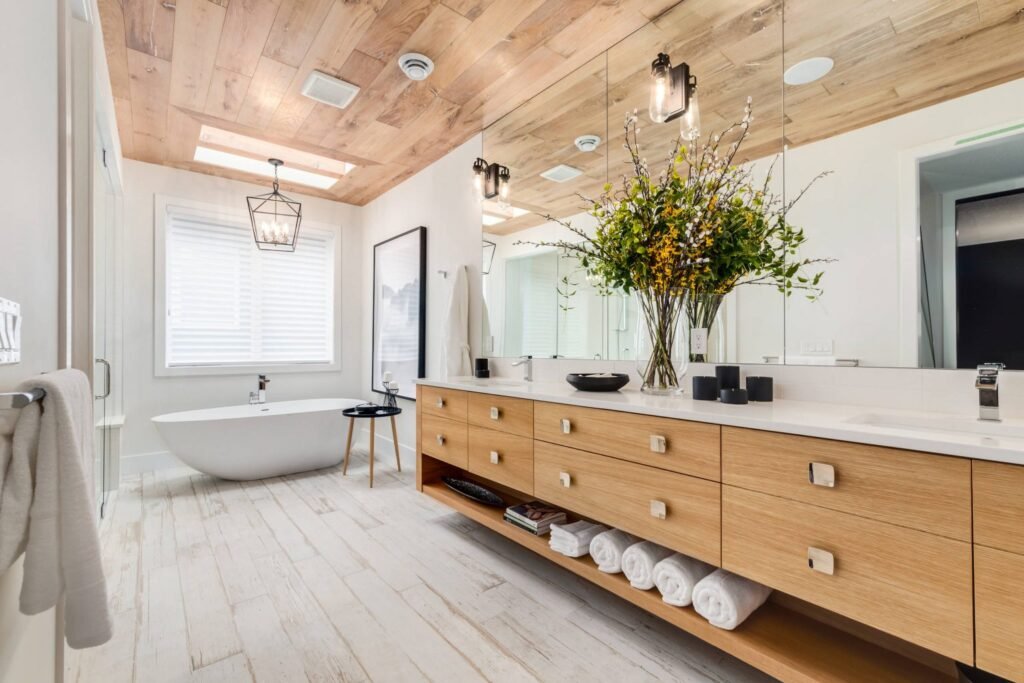
Concrete doesn’t have to feel cold or industrial. Combine it with wood cabinetry, bamboo accessories, or even a wood-look tile inlay to add warmth and texture. For more on blending materials, see the best neutral bathroom flooring colors guide for inspiration.
Patterned and Stamped Surfaces
Stamped concrete can mimic the appearance of tile, stone, or even intricate geometric patterns. This technique adds visual interest and can help define different zones within a larger bathroom. Consider using subtle patterns for a sophisticated look or bold designs for a statement floor.
Practical Considerations for Concrete Bathroom Flooring
While concrete is a strong and attractive option, there are a few practical aspects to keep in mind:
- Sealing: Bathrooms are high-moisture environments. Always seal concrete floors to prevent water absorption, staining, and cracking.
- Slip Resistance: Polished concrete can be slippery when wet. Consider adding a non-slip additive to the sealer or choosing a textured finish for safety.
- Comfort: Concrete can feel cold underfoot. Pairing it with radiant floor heating or using area rugs can make the space more comfortable, especially in colder climates.
- Installation: Professional installation is recommended for best results, especially when working with decorative finishes or complex patterns.
If you’re considering layering new materials over an existing surface, review the layering vinyl over tile in bathroom guide for helpful tips.
Maintenance and Longevity of Concrete Floors
With the right care, concrete flooring can last for decades. Here’s how to keep your bathroom floor looking its best:
- Regular Cleaning: Sweep or vacuum regularly to remove dust and debris. Mop with a mild cleaner as needed.
- Resealing: Reapply sealer every few years, or as recommended by your installer, to maintain water resistance and shine.
- Addressing Cracks: Small hairline cracks may develop over time. These can often be filled and resealed without replacing the entire floor.
For a comparison of how different materials hold up over time, see how long does bathroom flooring last by material.
Trends and Alternatives in Modern Bathroom Flooring
Concrete continues to be a top choice for contemporary bathrooms, but it’s not the only option. Many homeowners are exploring alternatives like large-format porcelain tiles, luxury vinyl planks, and engineered stone. For a look at what’s trending, browse the latest bathroom flooring styles and trends from design experts.
Mixing materials—such as pairing concrete with wood, metal, or glass—can create a custom look that’s both functional and beautiful. Don’t be afraid to experiment with color, pattern, or finish to achieve a bathroom that reflects your personal style.
Frequently Asked Questions
Are concrete bathroom floors waterproof?
Concrete itself is porous, but when properly sealed, it becomes highly water-resistant. Regular sealing is essential to prevent moisture from penetrating the surface and causing damage.
How do you clean and maintain a concrete bathroom floor?
Routine cleaning involves sweeping or vacuuming to remove debris and mopping with a mild, pH-neutral cleaner. Avoid harsh chemicals that could degrade the sealer. Reseal the floor every few years for optimal protection.
Can concrete floors be made slip-resistant?
Yes, slip resistance can be improved by choosing a textured finish or adding a non-slip additive to the sealer. Area rugs and bath mats can also help reduce the risk of slipping, especially near showers and tubs.
Is concrete flooring comfortable for bathrooms?
Concrete can feel cool and hard underfoot. To increase comfort, consider installing radiant heating beneath the floor or using soft rugs in key areas.
Concrete flooring offers a blend of modern aesthetics, durability, and customization that’s hard to match. With the right finish and care, it can transform any bathroom into a stylish, functional retreat.