When it comes to choosing bathroom flooring, the decision goes far beyond aesthetics. Bathrooms are high-moisture environments, so your flooring needs to be water-resistant, durable, and easy to maintain. With so many materials and styles available, finding the right fit for your space can feel overwhelming. This guide will break down the most popular options, key considerations, and practical tips to help you make an informed choice that suits both your lifestyle and your design vision.
Before diving into the specifics, remember that proper planning is essential for a successful remodel. If you’re tackling a renovation, check out these bathroom renovation maintenance tips to protect your investment and keep your new floors looking their best for years to come.
Key Factors to Consider When Selecting Bathroom Flooring
Every bathroom has its own set of needs, and the best flooring for one space may not be ideal for another. Here are some essential factors to weigh as you evaluate your options:
- Water Resistance: Bathrooms are prone to splashes, spills, and humidity. Your flooring must be able to withstand regular exposure to moisture without warping, staining, or becoming slippery.
- Durability: High foot traffic, cleaning products, and dropped items can take a toll. Choose a material that can handle daily wear and tear.
- Maintenance: Some surfaces require more upkeep than others. Consider how much time you’re willing to spend on cleaning and maintenance.
- Comfort and Safety: Cold, hard floors can be uncomfortable underfoot, and slick surfaces increase the risk of slips and falls. Look for options that balance comfort and safety, especially if you have children or elderly family members.
- Style and Budget: Your flooring should complement your bathroom’s design while fitting within your budget. There are attractive, affordable choices for every style.
Popular Bathroom Flooring Materials Compared
Let’s explore the most common materials used in bathrooms, along with their pros and cons.
Ceramic and Porcelain Tile
Ceramic and porcelain tiles are classic choices for bathrooms, offering excellent water resistance and a wide variety of colors, patterns, and textures. Porcelain is denser and less porous than ceramic, making it even more durable and suitable for wet areas.
- Pros: Waterproof, easy to clean, highly customizable, long-lasting.
- Cons: Can be cold and hard underfoot, grout lines may require periodic sealing, installation can be labor-intensive.
Luxury Vinyl Plank (LVP) and Vinyl Sheet Flooring
Luxury vinyl plank and vinyl sheet flooring have become increasingly popular for bathrooms thanks to their affordability, comfort, and water resistance. LVP mimics the look of wood or stone, while vinyl sheets offer seamless installation with minimal joints for water to seep through.
- Pros: Waterproof, softer and warmer underfoot, budget-friendly, easy to install and maintain.
- Cons: Can be susceptible to dents and scratches, lower-end products may look less realistic.
Natural Stone Tile
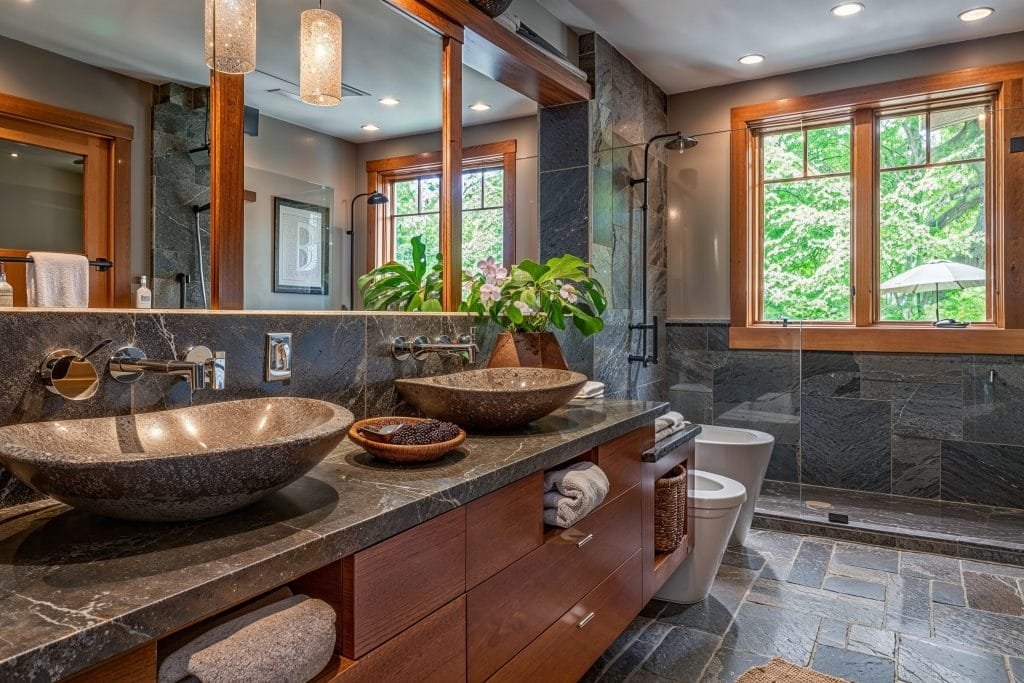
For a luxurious, timeless look, natural stone such as marble, slate, or travertine is a standout choice. Stone brings unique character to bathrooms but requires more maintenance to keep it looking its best.
- Pros: Unique, elegant appearance; durable when properly sealed; adds value to your home.
- Cons: Expensive, porous (requires sealing), can be slippery and cold, heavier (may need reinforced subfloor).
Engineered Wood and Laminate
While solid hardwood is generally not recommended for bathrooms due to moisture issues, engineered wood and high-quality laminate flooring can be used in powder rooms or half-baths with proper precautions. These materials offer the warmth of wood with improved moisture resistance.
- Pros: Warm, natural look; softer underfoot than tile; easier installation than stone or ceramic.
- Cons: Still vulnerable to water damage if not sealed properly; not ideal for full baths with showers or tubs.
Bamboo and Cork
Bamboo and cork flooring are eco-friendly options that offer a unique look and feel. Both materials are naturally resistant to mold and mildew, but they must be properly sealed to prevent water damage.
- Pros: Sustainable, comfortable, naturally antimicrobial.
- Cons: Sensitive to standing water, may require frequent resealing, limited style options compared to tile or vinyl.
How to Match Flooring to Your Bathroom’s Needs
Every bathroom is different, so consider the following scenarios to help narrow your choices:
- Master Bathrooms: Prioritize durability, water resistance, and style. Porcelain tile or luxury vinyl plank are excellent choices.
- Powder Rooms: With less moisture exposure, you can opt for engineered wood, laminate, or even bamboo for a warm, inviting look.
- Family Bathrooms: Choose slip-resistant, easy-to-clean surfaces like textured porcelain tile or vinyl sheet flooring to handle heavy use.
- Small Spaces: Light-colored tiles or continuous vinyl sheets can make a compact bathroom feel larger and brighter. For more tips, see our guide on maximizing small bathroom space with smart design choices.
Installation and Maintenance Tips for Bathroom Floors
Proper installation is crucial for long-lasting, water-resistant bathroom floors. Here are some practical tips:
- Always start with a level, moisture-resistant subfloor to prevent future issues.
- Use waterproof adhesives and sealants, especially around the perimeter and fixtures.
- For tile, select a grout designed for wet areas and consider sealing it to prevent staining and mildew.
- Follow manufacturer guidelines for cleaning and maintenance. Avoid harsh chemicals that can damage finishes.
- Place bath mats in high-splash zones and wipe up spills promptly to extend the life of your flooring.
Common Mistakes to Avoid When Picking Bathroom Floors
Even with the best intentions, it’s easy to make missteps during the selection process. Avoid these common pitfalls:
- Choosing flooring that isn’t rated for wet areas or high humidity.
- Overlooking slip resistance, especially in households with children or seniors.
- Neglecting proper installation or skipping professional help for complex materials.
- Ignoring the need for regular maintenance, such as sealing grout or stone.
- Letting style outweigh practicality—always balance looks with function.
For more advice on what not to do, consult this list of bathroom remodeling mistakes to avoid before starting your project.
Frequently Asked Questions
What is the most waterproof flooring for bathrooms?
Porcelain tile and luxury vinyl flooring are among the most waterproof options available. Both materials resist water penetration and are suitable for full baths, including those with showers and tubs.
Can I use hardwood flooring in my bathroom?
Solid hardwood is generally not recommended for bathrooms due to moisture risks. However, engineered wood with a strong water-resistant finish can be used in powder rooms or half-baths with minimal water exposure.
How do I keep my bathroom floors from becoming slippery?
Choose flooring with a textured or matte finish, such as slip-resistant tiles or vinyl with an embossed surface. Adding bath mats and promptly cleaning up water can also help reduce the risk of slips.
Is it possible to install new bathroom flooring myself?
Some materials, like vinyl planks or laminate, are DIY-friendly for those with basic skills. Tile and stone often require professional installation for best results, especially to ensure proper waterproofing and leveling.
Final Thoughts on Selecting the Right Bathroom Floor
Finding the ideal surface for your bathroom involves balancing water resistance, durability, comfort, and style. Take time to research your options, consider your household’s needs, and don’t hesitate to seek professional advice for installation or product selection. For help estimating material quantities, try using a bathroom renovation material calculator before making your purchase. With the right approach, your new bathroom floor will not only look great but also stand up to daily use for years to come.