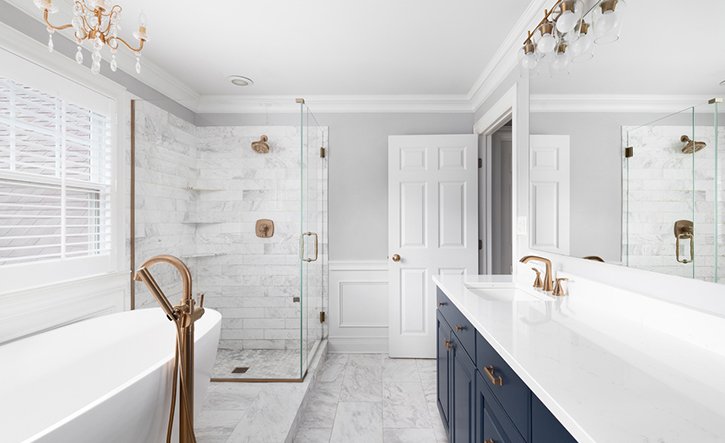
Remodeling a bathroom can be a rewarding project, but it comes with its share of hazards. Whether you’re a homeowner tackling a DIY update or a professional contractor, prioritizing safety is essential. From handling power tools to dealing with slippery surfaces and potential exposure to hazardous materials, every step requires careful planning and the right precautions. This guide covers essential bathroom remodeling safety tips to help you stay protected and ensure your renovation goes smoothly.
Before diving into demolition or installation, it’s important to measure your workspace and plan accordingly. For guidance on getting accurate measurements, check out measuring bathroom space correctly to set your project up for success.
Understanding Common Risks in Bathroom Renovations
Every renovation project comes with risks, but bathrooms pose unique challenges. Wet surfaces, electrical wiring, plumbing, and confined spaces can increase the likelihood of accidents. Recognizing these hazards is the first step in preventing injuries and property damage.
- Slips and Falls: Water on floors, loose tiles, and cluttered workspaces can cause dangerous slips.
- Electrical Hazards: Bathrooms have a high concentration of outlets, switches, and fixtures near water sources, increasing the risk of electric shock.
- Exposure to Chemicals: Adhesives, paints, and cleaning agents may emit fumes or cause skin irritation.
- Sharp Tools and Heavy Lifting: Saws, drills, and lifting heavy fixtures can result in cuts, strains, or back injuries.
- Mold and Dust: Demolition can release mold spores or dust, which may affect respiratory health.
Personal Protective Equipment: Your First Line of Defense
Wearing the right gear is non-negotiable for any safe renovation. Here’s what you should have before starting:
- Safety Glasses: Protect your eyes from flying debris, dust, and splashes.
- Gloves: Use cut-resistant gloves for demolition and chemical-resistant gloves when handling adhesives or cleaners.
- Non-Slip Footwear: Choose shoes with good grip to prevent slips on wet or uneven surfaces.
- Respirators or Masks: Essential when sanding, cutting, or working with chemicals to avoid inhaling harmful particles.
- Hearing Protection: Power tools can be loud, so earplugs or earmuffs help prevent hearing loss.
Safe Demolition and Removal Practices
Demolition is often the messiest and riskiest phase of a bathroom remodel. To minimize danger:
- Turn off water and power supplies before removing fixtures or cutting into walls.
- Use the correct tools for each task—avoid improvising with unsuitable equipment.
- Remove debris regularly to keep walkways clear and reduce tripping hazards.
- Be cautious of hidden pipes and wires. Use a stud finder or consult building plans to avoid accidental damage.
- Dispose of old materials, especially sharp tiles or glass, in sturdy containers.
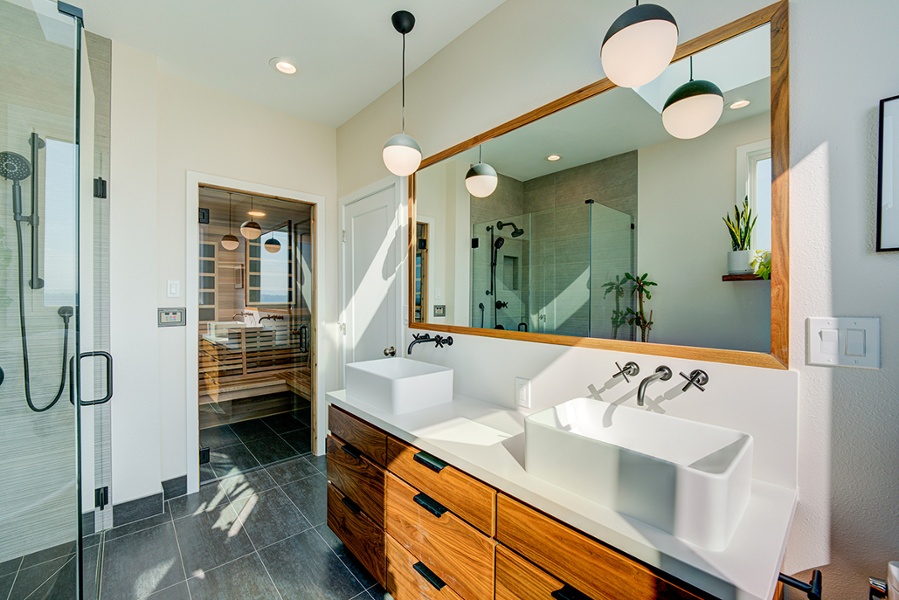
Electrical and Plumbing Safety Precautions
Bathrooms combine water and electricity, making strict safety measures essential. Here are some best practices:
- Shut off circuit breakers and water valves before working on wiring or plumbing.
- Test wires with a voltage tester to confirm they are not live before touching them.
- Never use power tools in wet conditions or with wet hands.
- Install Ground Fault Circuit Interrupters (GFCIs) for outlets near water sources.
- If you’re unsure about electrical or plumbing work, consult a licensed professional.
For a step-by-step approach to planning your renovation, see this comprehensive bathroom renovation guide for additional insights.
Maintaining a Clean and Organized Workspace
Clutter and debris can quickly turn a renovation site into a hazardous environment. Keeping your workspace tidy helps prevent accidents and speeds up the project:
- Store tools and supplies in designated areas when not in use.
- Wipe up spills immediately to prevent slips.
- Use proper storage solutions for sharp or hazardous items.
- Ventilate the area to reduce dust and chemical fumes.
- Take regular breaks to tidy up and assess the safety of your surroundings.
Protecting Yourself from Dust, Mold, and Chemicals
Bathroom remodels often involve disturbing old materials that may harbor mold, dust, or harsh chemicals. To safeguard your health:
- Wear a respirator or dust mask when sanding, cutting, or removing old drywall or tile.
- Seal off the work area with plastic sheeting to contain dust and debris.
- Use fans or open windows for ventilation.
- Handle cleaning agents and adhesives in well-ventilated spaces and follow manufacturer instructions.
- If you discover mold, use appropriate cleaning solutions and protective gear, or call a remediation specialist for large infestations.
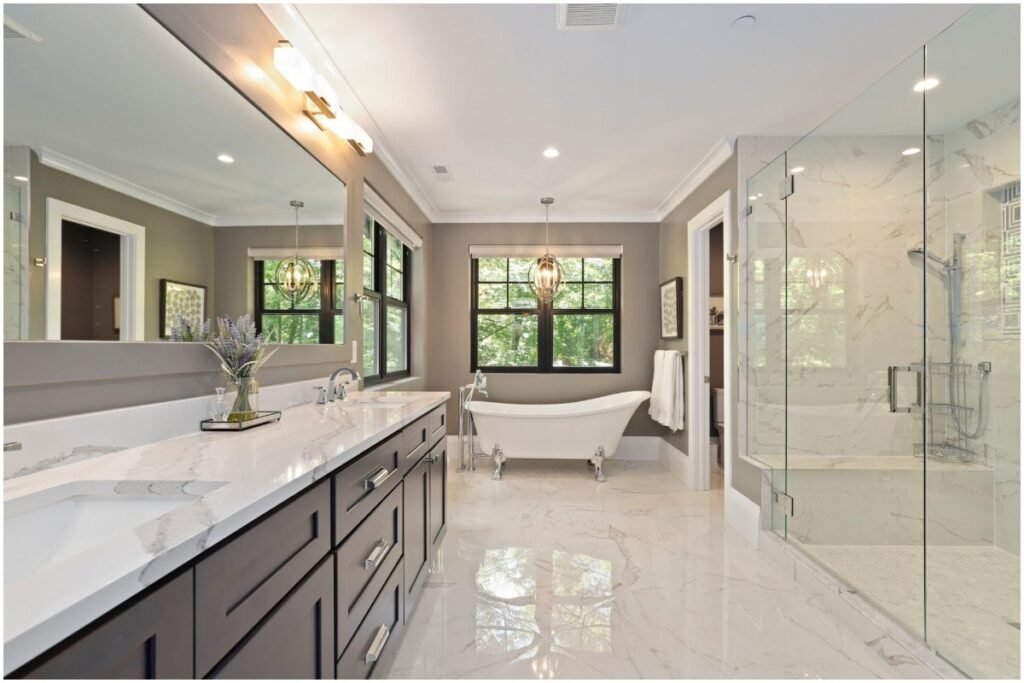
Smart Lifting and Handling Techniques
Many bathroom components—such as vanities, toilets, and tubs—are heavy and awkward to move. To avoid injuries:
- Lift with your legs, not your back, and keep objects close to your body.
- Ask for help or use lifting aids for bulky items.
- Clear pathways before moving large fixtures to prevent tripping.
- Take breaks to avoid fatigue, which can lead to accidents.
Additional Tips for a Safe and Successful Remodel
- Keep a first aid kit nearby for minor injuries.
- Have a phone accessible in case of emergencies.
- Communicate your plans with anyone else in the home to avoid surprises.
- Review local building codes and permit requirements before starting work.
- Consider the long-term safety of your design choices, such as installing grab bars or non-slip flooring.
If you’re looking for more inspiration or want to keep your project budget-friendly, explore these cheap bathroom makeover ideas for practical solutions that don’t compromise on style.
Frequently Asked Questions
What protective equipment is necessary for a bathroom remodel?
Essential gear includes safety glasses, gloves, non-slip shoes, respirators or dust masks, and hearing protection. These items help shield you from debris, chemicals, and loud noises.
How can I minimize the risk of electrical shock during renovations?
Always turn off power at the circuit breaker before working on electrical components. Use a voltage tester to confirm wires are not live, and never handle electrical tools with wet hands.
What should I do if I find mold during my remodel?
Small patches can often be cleaned with mold-specific solutions while wearing protective gear. For extensive mold, it’s best to consult a professional to ensure safe removal and prevent health risks.
Are there ways to make my bathroom safer after remodeling?
Yes. Install grab bars, use non-slip mats or flooring, and ensure outlets have GFCI protection. These features help prevent accidents and make the space safer for everyone.
For more creative ideas to personalize your space, check out these diy bathroom decor projects you can finish in a weekend.