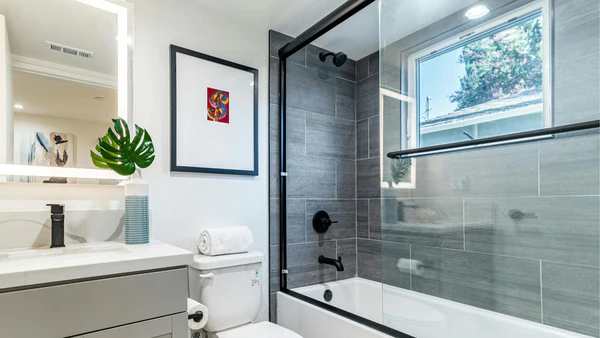
Choosing the best paint for bathrooms can make a significant difference in how your space looks and how well it stands up to daily moisture, steam, and cleaning. Bathrooms are unique environments where regular wall paint often fails, leading to peeling, mold, and a less-than-fresh appearance. Selecting the right type of paint ensures your bathroom remains beautiful and easy to maintain for years to come.
Whether you’re planning a full renovation or a quick refresh, understanding which paints work best in humid conditions will save you time, money, and frustration. Before diving into product recommendations and application tips, it’s also wise to consider the overall design and layout of your space. For those looking to maximize their project’s success, check out this guide on measuring bathroom space correctly to ensure your remodel starts with accurate planning.
Why Bathroom Paint Needs Special Consideration
Bathrooms are exposed to high humidity, frequent temperature changes, and direct contact with water. Ordinary interior paints often struggle in this environment, leading to issues like bubbling, cracking, and mildew growth. Using a paint formulated for bathrooms helps prevent these problems and keeps your walls looking fresh.
Key challenges in bathroom spaces include:
- Moisture resistance: Frequent steam and splashes can damage standard paints.
- Mold and mildew prevention: Bathrooms are prone to fungal growth without the right protective coatings.
- Durability: Walls need to withstand regular cleaning and scrubbing.
Top Paint Types for Bathroom Walls and Ceilings
When searching for the best paint for bathrooms, focus on products specifically labeled for high-moisture areas. Here are the most effective options:
Satin and Semi-Gloss Finishes
Satin and semi-gloss paints are popular choices for bathrooms due to their moisture resistance and easy-to-clean surfaces. The slight sheen helps repel water and makes it harder for mold to take hold. Semi-gloss is especially suitable for trim, doors, and areas that get splashed regularly.
Specialty Bathroom Paints
Many paint manufacturers offer lines designed specifically for bathrooms and kitchens. These products contain added mildewcides and are formulated to resist moisture. Look for labels such as “bath & kitchen,” “moisture-resistant,” or “mold-resistant” when shopping.
Water-Based Acrylic Paints
High-quality water-based acrylics are another excellent option. They dry quickly, have low odor, and provide a durable finish. When combined with a satin or semi-gloss sheen, they offer solid protection against humidity and stains.
Paints and Finishes to Avoid in Bathrooms
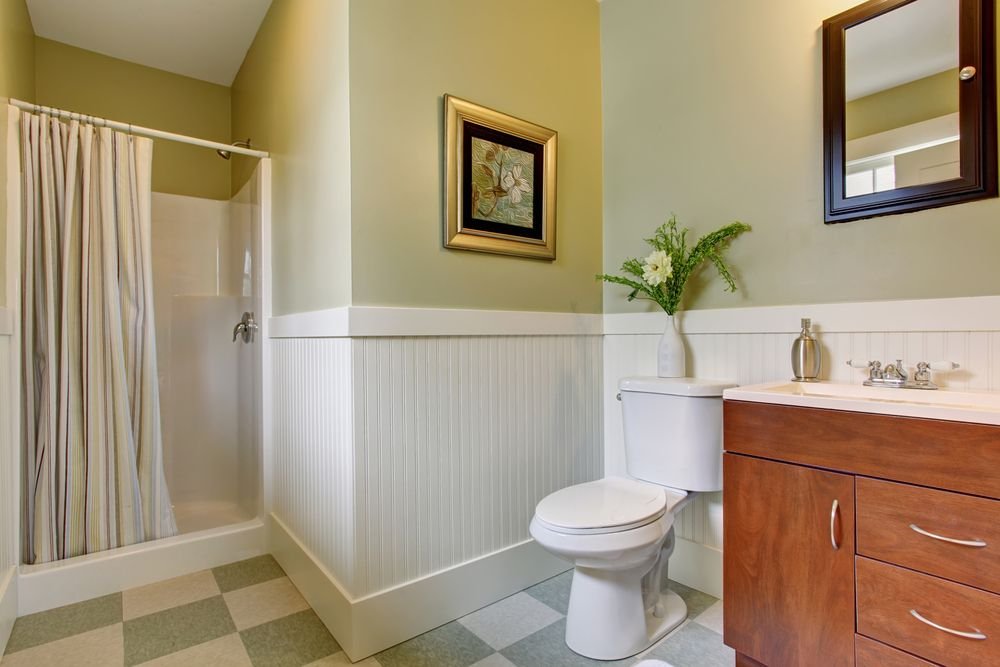
Not all paints are suitable for the damp environment of a bathroom. Using the wrong type can lead to premature wear and costly repairs. Here are finishes and products to steer clear of:
- Flat or matte paints: These finishes absorb moisture and are difficult to clean, making them a poor choice for bathrooms.
- Standard interior paints: Unless labeled as moisture-resistant, regular wall paints lack the additives needed to prevent mold and mildew.
- Oil-based paints: While durable, oil-based products are prone to yellowing in humid conditions and have strong odors that linger.
For more tips on avoiding common mistakes during a bathroom makeover, see this guide to bathroom renovation mistakes from home improvement experts.
How to Prepare Bathroom Walls for Painting
Proper preparation is essential for a long-lasting paint job. Follow these steps to get your bathroom walls ready:
- Clean thoroughly: Remove soap scum, mildew, and dust using a mild detergent or a mixture of vinegar and water.
- Repair any damage: Fill holes or cracks with spackling compound and sand smooth.
- Prime the surface: Use a high-quality primer designed for bathrooms or high-humidity areas. This step is especially important if you’re painting over glossy or previously painted surfaces.
- Ensure proper ventilation: Open windows or use fans to keep the area well-ventilated during painting and drying.
Recommended Application Tips for Bathroom Paint
Applying paint in a bathroom requires a bit more care than in other rooms. Here’s how to get the best results:
- Apply two coats for even coverage and maximum protection.
- Allow each coat to dry fully before adding the next.
- Use painter’s tape to protect fixtures, tiles, and trim.
- Start with the ceiling, then move to walls, and finish with trim and doors.
For a more budget-friendly transformation, you might also enjoy these cheap bathroom makeover ideas that still look amazing.
Popular Color Choices and Design Tips
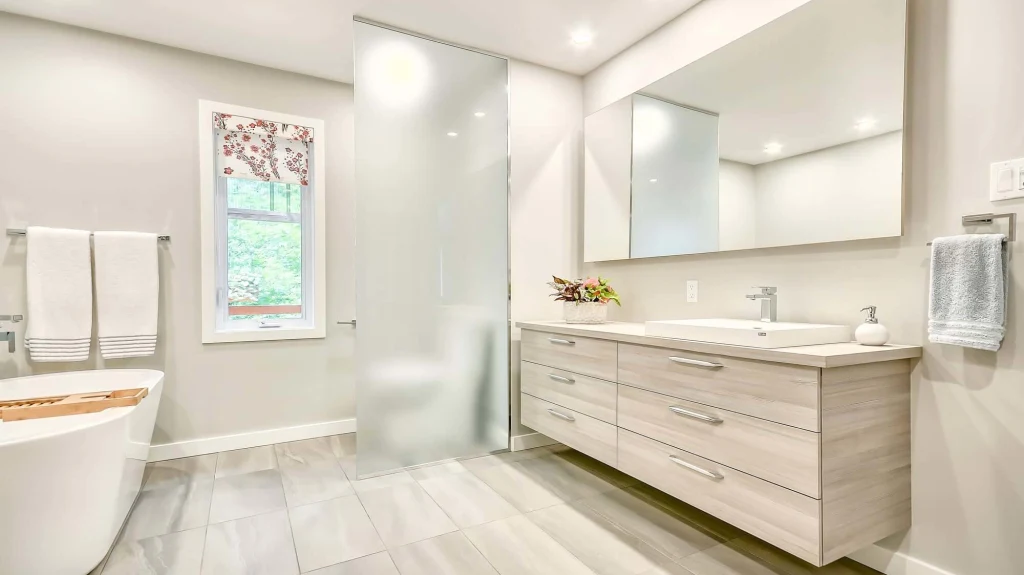
Once you’ve selected the right paint type, consider how color can impact your bathroom’s atmosphere. Light shades such as soft blues, greens, and neutrals can make a small space feel larger and more inviting. For a timeless look, explore these timeless bathroom design ideas that never go out of style.
Accent walls, painted vanities, and creative trim colors can add personality without overwhelming the space. Remember, the best results come from balancing durability and style.
Frequently Asked Questions
Can I Use Regular Wall Paint in a Bathroom?
It’s not recommended. Standard wall paints lack the moisture and mildew resistance needed for bathrooms. Always choose a product labeled for high-humidity or bathroom use.
How Do I Prevent Mold and Mildew on Painted Bathroom Walls?
Use paints with built-in mildewcides and maintain good ventilation. Running an exhaust fan and wiping down wet surfaces helps prevent mold growth.
Is Primer Necessary Before Painting a Bathroom?
Yes, especially if you’re painting over glossy surfaces or making a dramatic color change. A quality primer improves adhesion and helps block stains and moisture.
Conclusion
Selecting the right paint for your bathroom is about more than just color. Prioritize moisture resistance, mold prevention, and durability to ensure your space looks great and stands up to daily use. With the right preparation and product, you’ll enjoy a bathroom that’s both beautiful and easy to maintain. For more inspiration on personalizing your space, explore these DIY bathroom decor projects you can complete in a weekend.