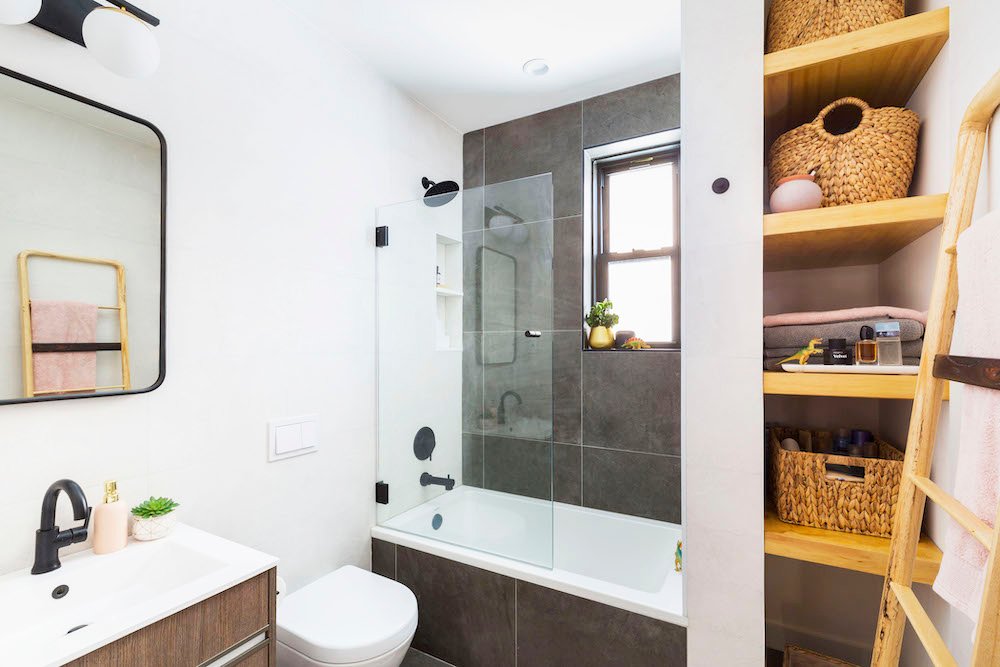
Getting the lighting right in your bathroom can make a dramatic difference in both how the space feels and how you look in the mirror. Proper bathroom lighting placement isn’t just about style—it’s about function, comfort, and creating a flattering environment for daily routines. From shaving and makeup to relaxing baths, the right setup helps every task feel easier and more enjoyable.
Many homeowners overlook the impact of fixture location, bulb type, and layering light sources. Yet, these details can transform a basic bathroom into a welcoming, spa-like retreat. In this guide, we’ll break down expert strategies for arranging your lights, avoiding common mistakes, and achieving a balanced, beautiful result.
Before diving into fixture selection and placement, it’s helpful to understand your bathroom’s dimensions and layout. If you’re planning a remodel or rearranging fixtures, check out measuring bathroom space correctly for a step-by-step approach to getting accurate measurements. This will help you avoid costly mistakes and ensure your lighting plan fits your space perfectly.
Understanding the Basics of Bathroom Lighting Placement
Effective lighting in the bathroom comes down to three main layers: ambient, task, and accent. Each plays a unique role, and their placement is key to achieving a flattering and functional look.
- Ambient lighting provides general illumination for the whole room. This usually comes from ceiling-mounted fixtures or recessed lights.
- Task lighting is focused on areas where you need extra visibility, such as the vanity or shower.
- Accent lighting adds depth and highlights architectural features or decor.
When planning your setup, consider how these layers interact. Overhead lights alone can cast harsh shadows, while poorly placed sconces may create uneven illumination. The goal is to combine fixtures so that the space feels bright, natural, and inviting.
Vanity Lighting: Placement for the Most Flattering Reflection
The vanity is where most people scrutinize their appearance, making it the most critical area for thoughtful bathroom lighting placement. The most common mistake is relying solely on a single overhead fixture, which can create unflattering shadows under the eyes and chin.
For the best results:
- Install vertical sconces or lights on either side of the mirror, about 65–70 inches from the floor and at eye level. This minimizes shadows and provides even, face-friendly light.
- If side lighting isn’t possible, use a fixture above the mirror that’s at least 24 inches wide and mounted 75–80 inches from the floor. Choose a fixture that diffuses light to avoid harshness.
- Opt for bulbs with a color temperature between 2700K and 3000K for a warm, natural glow that flatters skin tones.
Shower and Tub Lighting: Safe and Effective Solutions
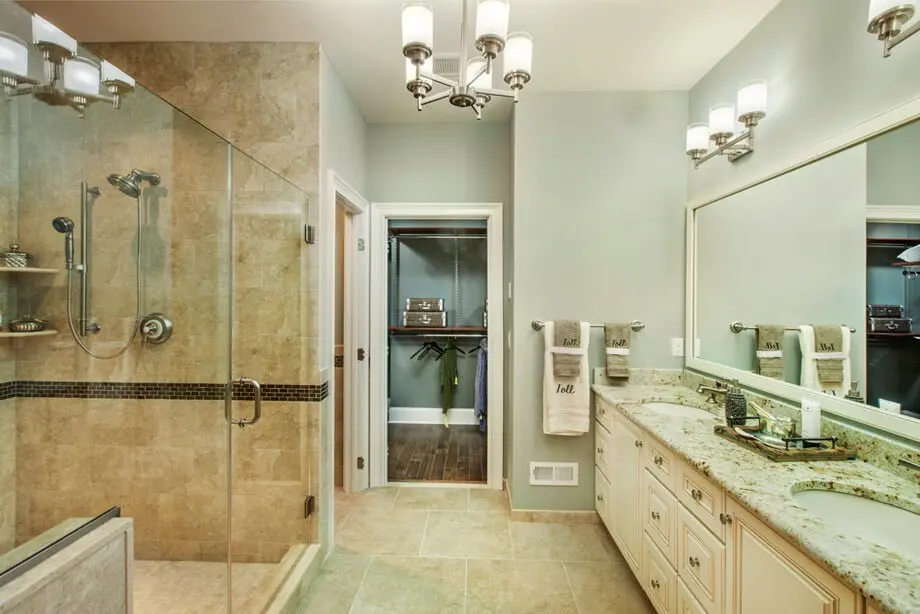
Lighting in wet areas, such as showers and tubs, requires special attention to both safety and effectiveness. Damp-rated or wet-rated fixtures are essential to prevent moisture damage and electrical hazards.
For optimal results:
- Use recessed lighting with a glass lens for a clean, unobtrusive look. Place the fixture directly above the shower or tub, but avoid centering it on the head to prevent harsh overhead shadows.
- Consider adding a dimmer switch to control brightness for relaxing baths or late-night use.
- For larger showers, use multiple recessed lights spaced evenly to avoid dark corners.
Always check local building codes for requirements regarding fixture placement and safety ratings in wet zones.
Layering Light for a Balanced Bathroom Atmosphere
Combining different types of fixtures is the secret to a balanced and inviting bathroom. Start with a central ceiling light or a series of recessed lights for general illumination. Add vanity lights for focused tasks, and consider accent lighting to highlight artwork, shelving, or architectural details.
Some ideas for accent lighting include:
- LED strip lights under floating vanities or behind mirrors for a modern, ambient effect.
- Small wall washers to highlight textured tiles or decorative features.
- Soft night lights for safe navigation after dark.
Layering allows you to adjust the mood and functionality of the space throughout the day. Use dimmers wherever possible to fine-tune the atmosphere.
Common Mistakes to Avoid When Arranging Bathroom Lights
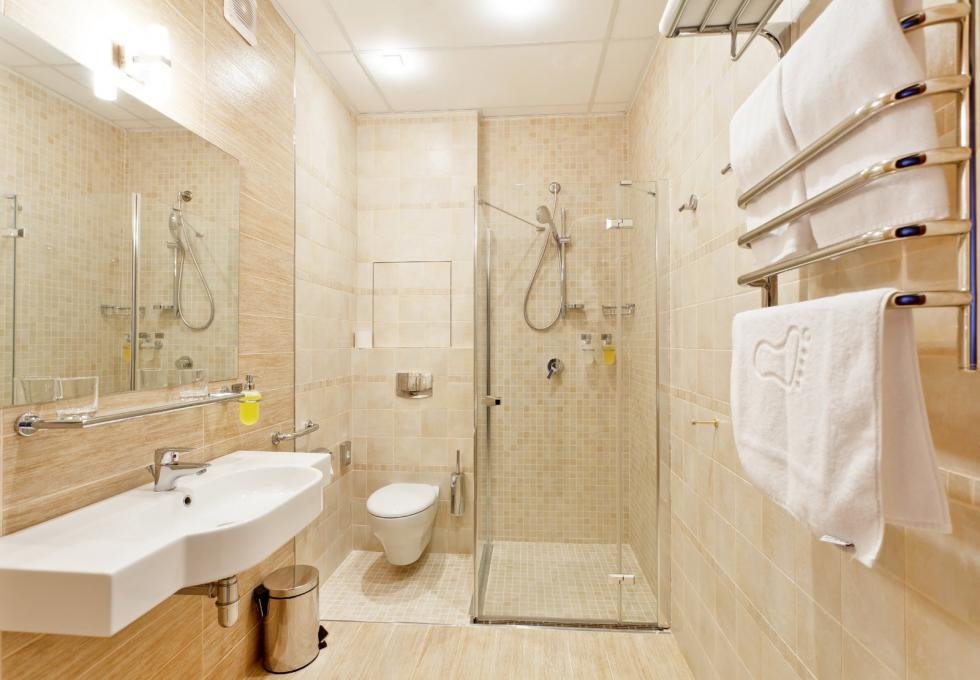
Even with the best intentions, it’s easy to make missteps that affect both the appearance and safety of your bathroom. Here are some pitfalls to watch out for:
- Relying on a single ceiling fixture, which can leave the room looking flat and create unflattering shadows.
- Placing vanity lights too high or too far apart, resulting in uneven illumination.
- Using bulbs that are too cool (over 3500K), which can make skin look washed out and the space feel sterile.
- Skipping wet-rated fixtures in showers or above tubs, risking moisture damage and electrical hazards.
- Forgetting about dimmers, which add flexibility and comfort.
For more advice on avoiding costly errors during a renovation, see this guide to bathroom remodeling mistakes to avoid.
Choosing Fixtures and Bulbs for the Perfect Effect
The style and type of fixtures you choose can enhance or detract from your lighting plan. Consider these tips when selecting products:
- Choose fixtures with frosted or opal glass to diffuse light and reduce glare.
- Match the finish of your lighting to other hardware in the bathroom for a cohesive look.
- Use LED bulbs for energy efficiency and long life. Look for a high Color Rendering Index (CRI) of 90 or above for the most accurate color representation.
- For a budget-friendly update, swap out old fixtures or bulbs—see cheap bathroom makeover ideas for inspiration.
Integrating Lighting With Your Bathroom Design
Lighting should complement your overall design, not compete with it. Whether your style is modern, traditional, or eclectic, choose fixtures that enhance your space. For those who enjoy hands-on projects, diy bathroom decor projects can help you personalize your lighting and decor for a unique touch.
Don’t forget to coordinate your lighting plan with other elements, such as mirrors, sinks, and storage. For help selecting the right sink style, see bathroom sink styles.
FAQ: Bathroom Lighting Placement and Design
What is the best height for vanity lights?
Vanity lights are most effective when mounted at eye level, typically 65–70 inches from the floor. This helps minimize shadows and provides even illumination for grooming tasks.
How can I make a small bathroom feel brighter?
Use a combination of ambient, task, and accent lighting. Choose light-colored finishes, add a large mirror to reflect light, and use LED bulbs with a warm color temperature. Layering multiple light sources will help the space feel larger and more inviting.
Are dimmers necessary in a bathroom?
While not required, dimmers add flexibility and comfort. They allow you to adjust brightness for different tasks and moods, from bright light for cleaning to soft light for relaxing baths.
Can I use regular light fixtures in the shower?
No, only use fixtures rated for damp or wet locations in showers and over tubs. These are designed to withstand moisture and prevent electrical hazards.
How do I avoid shadows on my face at the mirror?
Install vertical sconces or lights on both sides of the mirror at face height. If that’s not possible, use a wide fixture above the mirror that diffuses light evenly.
With thoughtful planning and attention to detail, you can achieve a bathroom that’s both functional and flattering. Whether you’re updating a few fixtures or planning a full remodel, smart bathroom lighting placement will help you get the most out of your space.