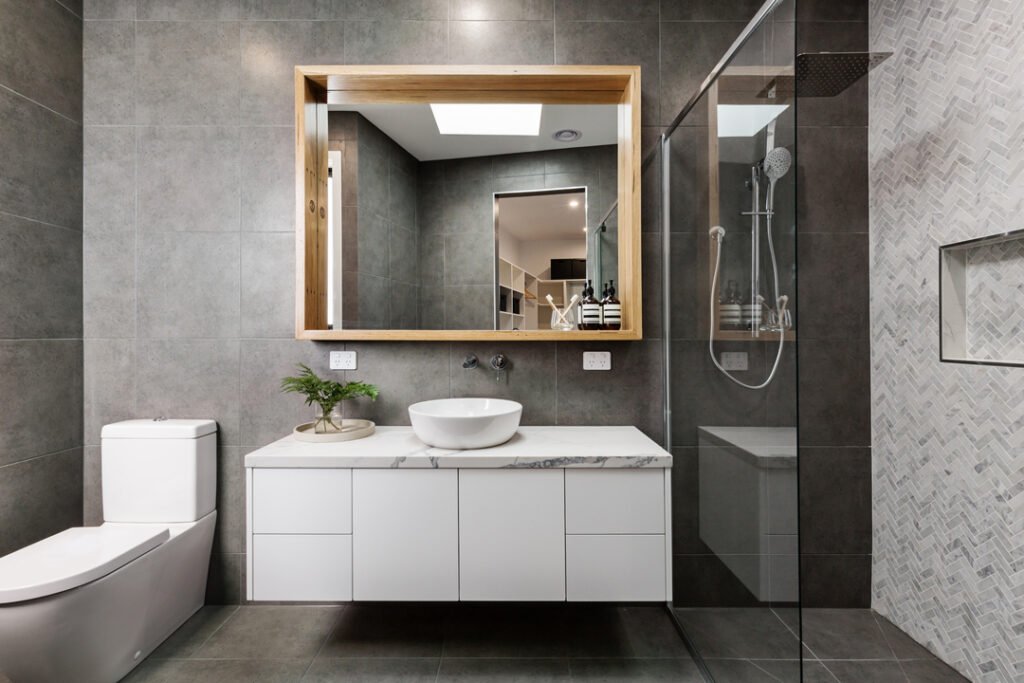
Designing a bathroom that is both safe and comfortable for everyone is a priority for many homeowners, especially those with mobility challenges, seniors, or families planning for the future. Accessible bathroom renovation ideas can transform an ordinary space into a practical, stylish, and inclusive environment. Whether you are updating for aging in place, accommodating a disability, or simply seeking a more user-friendly layout, there are many ways to enhance both safety and comfort without sacrificing style.
Before diving into specific upgrades, it’s important to consider how each element of your bathroom can be adapted for ease of use. From non-slip flooring to smart storage solutions, thoughtful planning ensures that every member of the household can navigate the space confidently. For those interested in exploring more about functional and stylish fixtures, the guide on bathroom sink styles offers useful insights into choosing the right sink for your needs.
Why Prioritize Accessibility in Bathroom Renovations?
Bathrooms are among the most common places for slips and falls, especially for older adults or those with limited mobility. By incorporating accessible bathroom renovation ideas, you can significantly reduce hazards and create a more welcoming environment. Accessible features not only support independence but also add long-term value to your home. In addition, many modern accessibility upgrades blend seamlessly with contemporary design, so you don’t have to compromise on aesthetics.
Key Features for a Safer, More Comfortable Bathroom
When planning a remodel, focus on elements that improve safety, comfort, and usability for everyone. Here are several practical upgrades to consider:
- Walk-in Showers: Replace traditional tubs with curbless, walk-in showers. These eliminate the need to step over a high edge, reducing tripping risks and making entry easier for wheelchair users or those with walkers.
- Grab Bars and Handrails: Install sturdy grab bars near the toilet, shower, and bathtub. These provide essential support for standing, sitting, and moving around the space.
- Non-Slip Flooring: Choose slip-resistant tiles or vinyl flooring to minimize the chance of falls, especially when the floor is wet.
- Comfort-Height Toilets: Higher toilets make it easier for people with mobility issues to sit and stand without strain.
- Lever-Style Faucets: Lever handles are easier to operate than knobs, especially for those with arthritis or limited hand strength.
- Widened Doorways: Ensure doorways are at least 32 inches wide to accommodate wheelchairs or walkers.
- Accessible Storage: Lower cabinets, pull-out shelves, and open shelving keep essentials within easy reach.
Design Tips for Accessible and Stylish Bathrooms
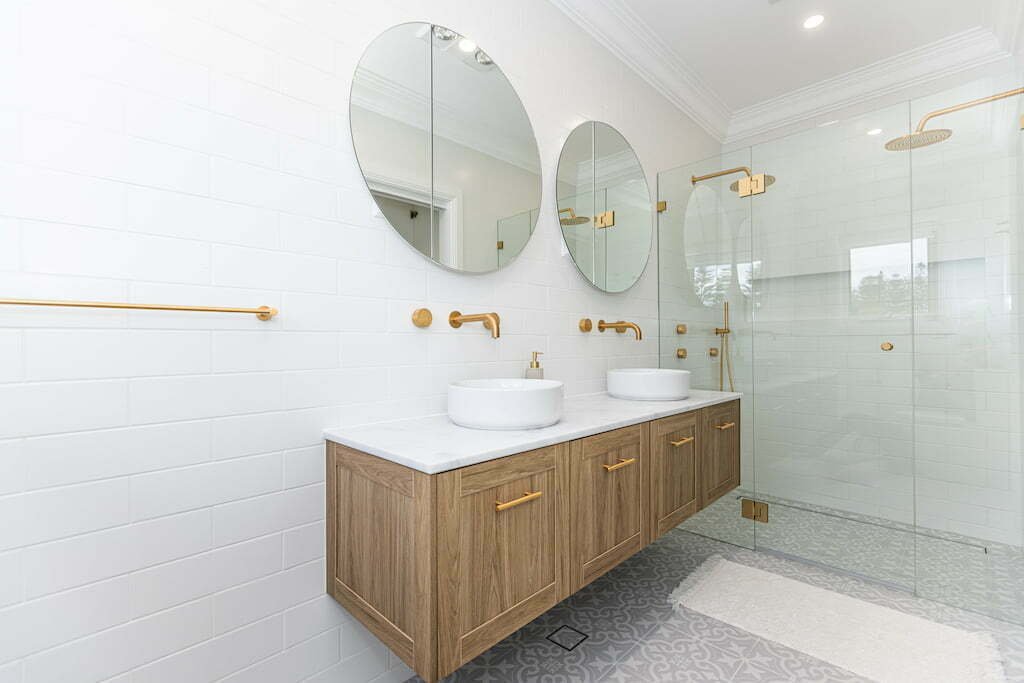
Creating a bathroom that is both functional and visually appealing is entirely possible with the right approach. Here are some design strategies to help you achieve a balance between accessibility and style:
- Open Layouts: Maximize floor space to allow easy movement for wheelchairs, walkers, or caregivers assisting a loved one.
- Contrasting Colors: Use color contrasts between floors, walls, and fixtures to help visually impaired users distinguish different areas and features.
- Floating Vanities: Wall-mounted vanities provide knee clearance for wheelchair users and create a modern look.
- Integrated Lighting: Install bright, even lighting with minimal shadows. Consider motion-activated lights for added convenience.
- Accessible Storage Solutions: Products like the EUDELE Adhesive Caddy keep toiletries organized and within reach without drilling holes, making them ideal for renters or temporary setups.
For more inspiration on keeping your bathroom easy to maintain, check out these low maintenance bathroom ideas that save time and effort while supporting accessibility.
Smart Upgrades for Enhanced Safety
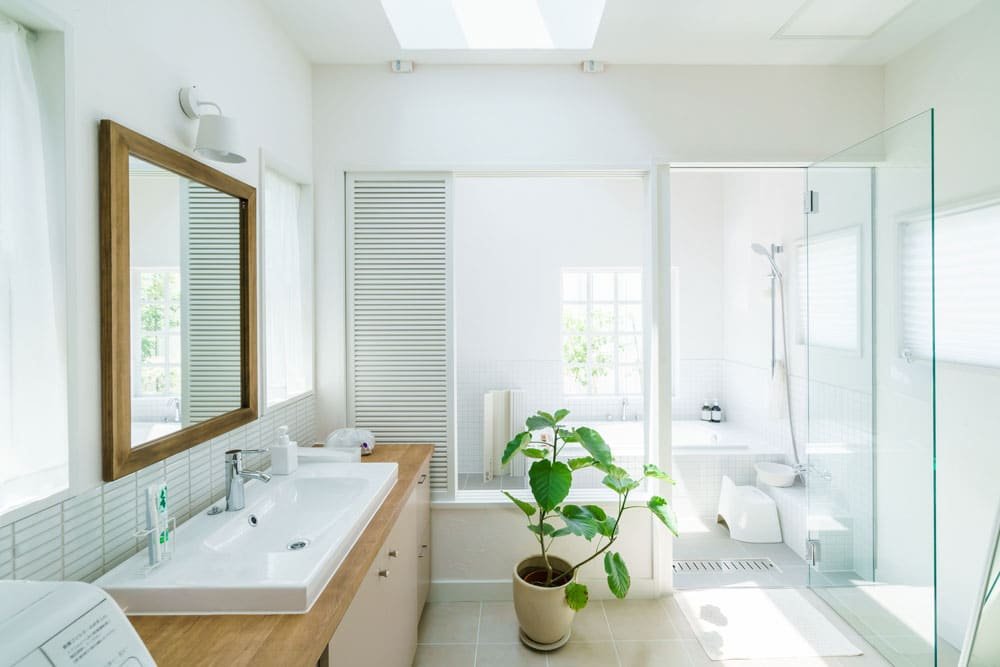
Beyond the basics, several advanced features can further improve bathroom safety and comfort:
- Shower Seats and Benches: Built-in or fold-down seats provide a safe place to sit while showering, reducing fatigue and fall risk.
- Handheld Showerheads: Adjustable showerheads allow users to direct water flow where needed, making bathing easier for those seated or with limited mobility.
- Anti-Scald Valves: These devices regulate water temperature, preventing accidental burns—a crucial feature for children and seniors.
- Water Filtration: Installing a shower filter, such as the Aquabliss Shower Filter, can improve water quality and comfort, especially for sensitive skin.
- Accessible Medicine Cabinets: Lowered or side-opening cabinets make it easier for everyone to access daily essentials. For ideas that blend storage with style, see these medicine cabinet ideas.
Planning and Budgeting for Your Accessible Remodel
Renovating for accessibility doesn’t have to mean a complete overhaul or a massive budget. Start by identifying the most pressing needs—such as safer flooring or grab bars—and prioritize those changes. Many upgrades, like installing lever handles or adding adhesive organizers, are affordable and can be completed in a weekend. For a comprehensive overview of the renovation process, the complete bathroom remodel guide provides step-by-step advice, from planning to execution.
When budgeting, keep in mind that some accessibility improvements may qualify for rebates or tax incentives, especially if they support aging in place or medical needs. Consulting with a professional experienced in universal design can also help you make the most of your investment.
Eco-Friendly and Accessible: A Winning Combination
Many accessible upgrades also align with sustainability goals. For example, low-flow toilets and faucets save water, while LED lighting reduces energy use. Materials like slip-resistant recycled tiles or sustainably sourced cabinetry can further enhance your bathroom’s environmental profile. If you’re interested in combining accessibility with green living, explore these eco friendly bathroom renovation ideas for a greener home.
Frequently Asked Questions
What is the most important feature in an accessible bathroom?
The most critical feature is ease of entry and movement. This often means a curbless shower, wide doorways, and enough space for mobility aids. Non-slip flooring and grab bars are also essential for safety.
Can accessible bathroom upgrades look stylish?
Absolutely. Many modern products are designed with aesthetics in mind. Features like floating vanities, sleek grab bars, and integrated lighting can enhance both function and style, ensuring your bathroom remains attractive and inviting.
How can I make my bathroom safer without a full renovation?
Simple changes like adding adhesive storage caddies, installing grab bars, switching to lever faucets, and using non-slip mats can make a big difference. These upgrades are cost-effective and require minimal installation.
Are there resources for planning an accessible remodel?
Yes, there are many guides and professionals specializing in universal design. For a detailed overview, refer to a complete bathroom remodel guide to help you plan each step.
By thoughtfully incorporating accessible bathroom renovation ideas into your next project, you can create a space that is safe, comfortable, and beautiful for everyone. Prioritizing accessibility now ensures your bathroom remains functional and welcoming for years to come.