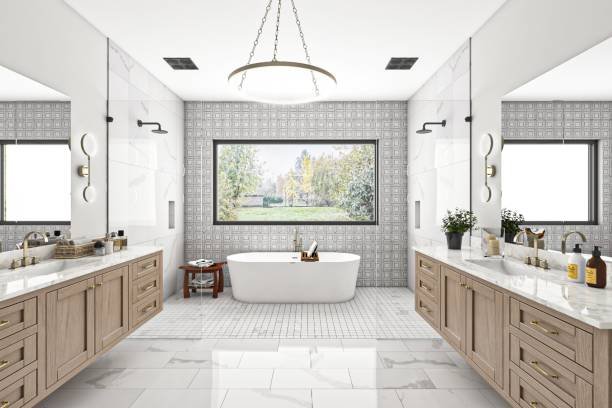
Bringing the outdoors in is a timeless approach to home design, and few materials achieve this as effortlessly as stone. When it comes to bathrooms, natural stone flooring offers a unique blend of durability, elegance, and organic beauty. Whether you’re planning a full renovation or just want to refresh your space, exploring a range of stone bathroom flooring ideas can help you create a soothing and sophisticated retreat.
This article covers popular types of stone flooring, practical considerations, design inspiration, and tips for choosing the right finish for your needs. If you’re looking for a comprehensive overview of bathroom flooring materials and installation tips, the bathroom flooring buyer’s guide is an excellent resource to consult alongside this guide.
Benefits of Natural Stone in Bathroom Floors
Choosing natural materials for your bathroom floor brings several advantages. Stone is renowned for its durability and longevity, making it a smart investment for high-moisture environments. Its natural variations in color and texture add visual interest and a sense of luxury. Many homeowners appreciate the way stone floors can help regulate temperature, staying cool in summer and, with radiant heating, comfortably warm in winter.
- Water resistance: Properly sealed stone resists water and stains, making it suitable for wet areas.
- Unique appearance: No two stone tiles are exactly alike, ensuring a one-of-a-kind floor.
- Low maintenance: With the right care, stone flooring can last for decades with minimal upkeep.
- Eco-friendly: Natural stone is a sustainable choice, especially when sourced responsibly.
Popular Types of Stone for Bathroom Floors
There are several types of stone commonly used in bathrooms, each with its own character and practical benefits. Here’s a look at some top choices for those seeking stone-inspired bathroom flooring:
Marble: Classic Luxury
Marble is synonymous with elegance. Its veining and subtle color variations make it a favorite for upscale bathrooms. While it requires regular sealing to prevent stains and etching, marble’s timeless appeal is hard to match.
Slate: Rustic and Slip-Resistant
Slate offers a more textured surface, which can help reduce slips in wet areas. Its earthy tones—ranging from deep charcoal to rusty reds—bring warmth and a natural vibe to any bathroom.
Travertine: Warm and Inviting
Travertine’s soft, creamy hues and subtle patterns create a welcoming atmosphere. It’s a popular choice for spa-like bathrooms. Honed or tumbled finishes provide a non-slip surface, ideal for safety.
Granite: Durable and Versatile
Granite is one of the hardest natural stones, making it highly resistant to scratches and moisture. Its speckled appearance comes in a wide range of colors, allowing for plenty of design flexibility.
Limestone: Soft and Subtle
Limestone offers a softer, more muted look, perfect for minimalist or coastal-inspired spaces. It’s less dense than granite or marble, so sealing is especially important to protect against moisture.
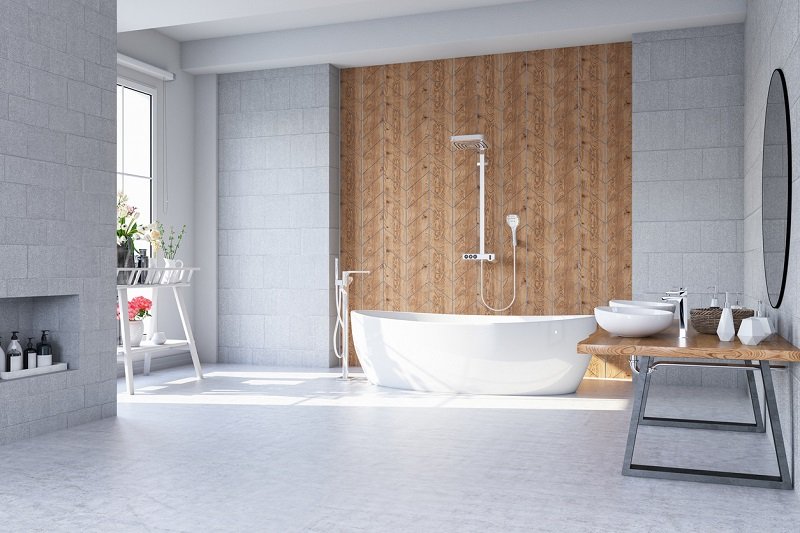
Design Inspiration: Patterns and Layouts
The way you lay stone tiles can dramatically affect the look and feel of your bathroom. Here are some creative approaches to consider:
- Large format tiles: These create a seamless, modern appearance with fewer grout lines, making small bathrooms feel more spacious.
- Mosaic patterns: Small stone mosaics add texture and visual interest, especially in shower floors or as accent borders.
- Herringbone and chevron: These classic patterns bring movement and sophistication to the space.
- Mixed materials: Combine stone with other flooring types for a custom look. For tips on blending different tile styles, see this guide on mixing tile styles on bathroom floor.
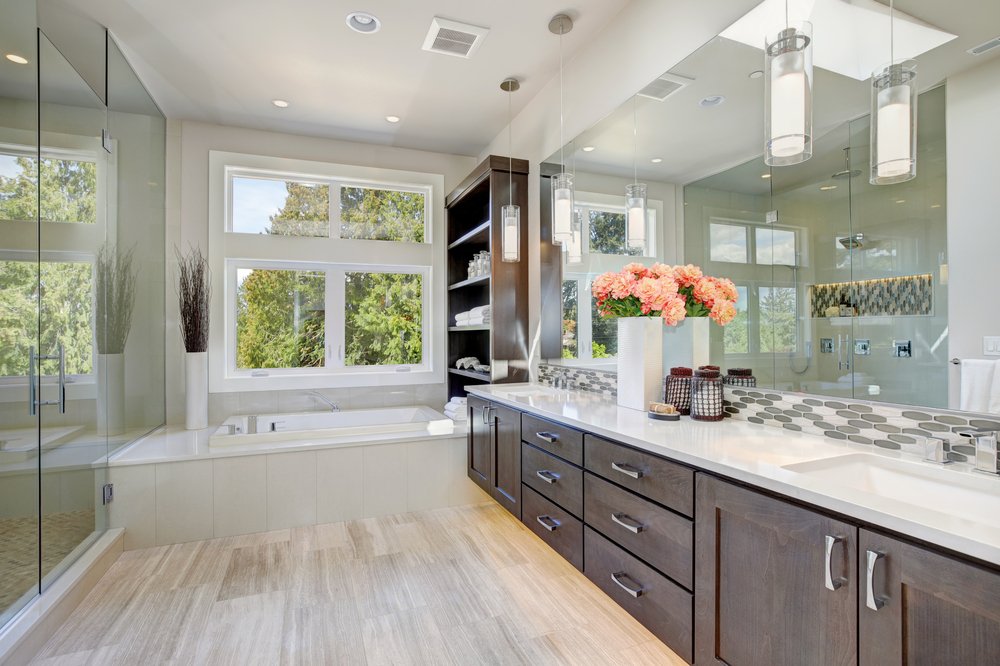
Practical Considerations for Stone Floors
While stone flooring is beautiful and durable, it’s important to consider a few practical factors before making your final selection:
- Slip resistance: Polished stone can be slippery when wet. Opt for honed or textured finishes in bathrooms to improve safety.
- Sealing: Most natural stones require sealing to protect against water and stains. Reseal regularly as recommended by the manufacturer.
- Maintenance: Clean stone floors with pH-neutral cleaners. Avoid harsh chemicals that can damage the surface.
- Installation: Professional installation is recommended for best results, especially for large tiles or intricate patterns. For tips on preventing uneven tiles, see this advice on how to avoid lippage in tile installation.
Budget-Friendly Alternatives
If natural stone is beyond your budget, there are several alternatives that mimic the look and feel of stone. Porcelain and ceramic tiles can be manufactured to resemble marble, slate, or travertine, often at a lower cost and with easier maintenance. Vinyl planks and peel-and-stick tiles are also popular for DIYers seeking a quick update. For more affordable options, check out this guide to the most affordable bathroom flooring.
How to Choose the Right Stone Look for Your Bathroom
Selecting the perfect stone or stone-look flooring depends on your style, budget, and practical needs. Consider the following:
- Color palette: Choose tones that complement your fixtures and wall colors.
- Texture: Decide between smooth, polished surfaces and more rustic, textured finishes.
- Room size: Large tiles can make small bathrooms appear bigger, while mosaics add detail to larger spaces.
- Maintenance: Assess how much time you’re willing to spend on cleaning and sealing.
For more detailed advice on picking tile sizes and layouts, see this guide on how to choose bathroom tile size.
Expert Tips for a Successful Stone Floor Installation
To ensure your new floor stands the test of time, keep these expert tips in mind:
- Always use a waterproof membrane beneath stone tiles in wet areas.
- Allow tiles to acclimate to your home’s temperature and humidity before installation.
- Use grout and adhesives specifically designed for natural stone.
- Seal grout lines as well as the stone itself for maximum protection.
- Follow a regular cleaning and resealing schedule to maintain beauty and performance.
For a broader overview of bathroom flooring types and installation best practices, you may also want to explore this comprehensive guide to bathroom flooring options.
Frequently Asked Questions
Is natural stone flooring suitable for all bathrooms?
Natural stone is a great choice for most bathrooms, but it’s important to select the right type and finish for your space. Smaller bathrooms or those used by children may benefit from textured, slip-resistant stones. Proper sealing and maintenance are essential to prevent water damage.
How often should stone bathroom floors be sealed?
The frequency of sealing depends on the type of stone and the amount of use your bathroom receives. Most experts recommend resealing every 1–2 years, but high-traffic areas may require more frequent attention. Always follow the manufacturer’s guidelines.
Can I install stone tiles myself, or should I hire a professional?
While experienced DIYers may be able to tackle small projects, professional installation is recommended for the best results. Stone tiles are heavy and require precise leveling and sealing. A skilled installer can help avoid common pitfalls and ensure your floor lasts for years.