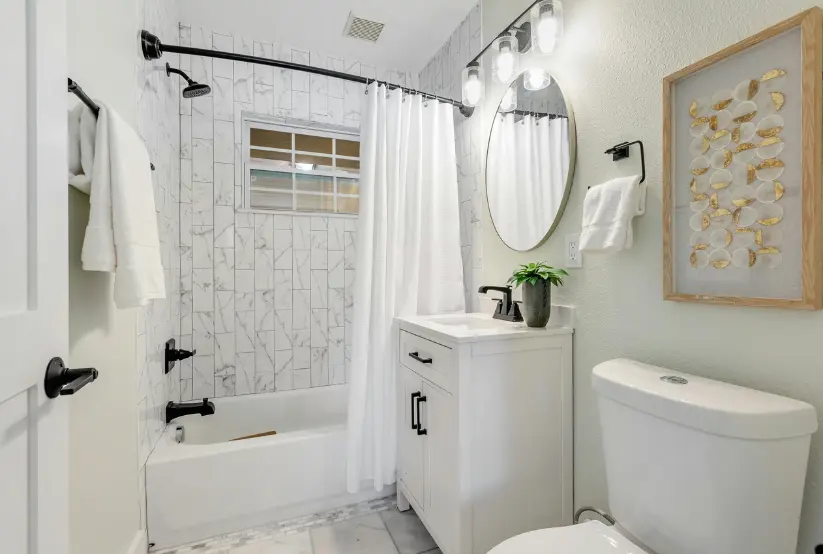
Choosing the right tile for your bathroom is a crucial decision that impacts both the look and longevity of your space. Two of the most popular options on the market are porcelain and ceramic tiles. While they may appear similar at first glance, there are important differences that can affect your bathroom’s durability, maintenance, and overall style. This guide will break down the key distinctions between these tile types, helping you make an informed choice for your next bathroom renovation.
Whether you’re planning a full remodel or simply updating your floors or walls, understanding the pros and cons of each material is essential. If you’re also considering layout and space, check out our guide on measuring bathroom space correctly to ensure your new tiles fit perfectly into your design plan.
Understanding the Basics: Porcelain and Ceramic Tile Explained
Both porcelain and ceramic tiles are made from clay and fired in a kiln, but their composition and manufacturing process set them apart. Porcelain tiles are crafted from a denser, more refined clay and fired at higher temperatures. This results in a harder, less porous tile that is highly resistant to moisture. Ceramic tiles, on the other hand, are made from a mixture of clays and other natural materials, fired at lower temperatures, making them slightly softer and more absorbent.
These differences influence everything from water resistance to ease of installation, so it’s important to weigh them carefully when selecting tiles for your bathroom.
Key Differences: Porcelain vs Ceramic Bathroom Tile Performance
When comparing porcelain and ceramic bathroom tiles, several performance factors come into play:
- Water Absorption: Porcelain tiles have a water absorption rate of less than 0.5%, making them ideal for wet environments like showers and bathroom floors. Ceramic tiles are more porous, which can make them less suitable for areas with constant moisture unless properly sealed.
- Durability: The density of porcelain makes it more resistant to chips, cracks, and heavy foot traffic. Ceramic is durable as well, but it’s generally better suited for walls or low-traffic areas.
- Maintenance: Both types are easy to clean, but porcelain’s low porosity means it resists stains and mold more effectively. Ceramic may require more frequent sealing to maintain its appearance and water resistance.
- Cost: Porcelain tiles tend to be more expensive due to their manufacturing process and superior durability. Ceramic tiles are often more budget-friendly, making them a popular choice for large projects or decorative wall applications.
- Installation: Ceramic tiles are easier to cut and install, which can lower labor costs. Porcelain’s hardness can make it more challenging to work with, sometimes requiring specialized tools.

Style and Design: Visual Differences and Options
When it comes to aesthetics, both porcelain and ceramic tiles offer a wide range of colors, patterns, and finishes. However, there are some distinctions worth noting:
- Porcelain: Thanks to advanced manufacturing, porcelain tiles can mimic the look of natural stone, wood, or even concrete. They’re available in matte, glossy, and textured finishes, making them versatile for modern and classic designs alike.
- Ceramic: Ceramic tiles often feature vibrant glazes and decorative patterns, making them a favorite for accent walls, backsplashes, and creative layouts. Their slightly softer surface can add warmth and character to a bathroom.
If you’re seeking inspiration for unique bathroom transformations, you might enjoy our article on thrifted bathroom makeover ideas for a one-of-a-kind look.
Where Each Tile Excels: Best Uses in the Bathroom
Understanding where each tile type performs best can help you maximize both function and style in your bathroom:
- Porcelain: Ideal for shower floors, wet rooms, and high-traffic areas due to its water resistance and strength. It’s also a great choice for heated floors, as it handles temperature changes well.
- Ceramic: Perfect for bathroom walls, decorative borders, and low-traffic floors. Ceramic’s ease of installation and lower cost make it a practical option for DIY projects or large-scale wall applications.
For those working within a budget, explore our tips on budget friendly bathroom tile ideas to achieve a stylish look without overspending.
Installation and Maintenance Considerations
Both tile types require proper installation to ensure longevity, but there are some practical differences to keep in mind:
- Porcelain: Its density makes it harder to cut, so professional installation is often recommended. Once installed, it requires minimal maintenance—just regular cleaning with mild detergent.
- Ceramic: Easier to cut and install, making it suitable for DIYers. However, it may need periodic sealing, especially in wet areas, to prevent water infiltration and staining.
For those interested in hands-on projects, our resource on diy bathroom decor projects offers creative ideas to personalize your space.
Cost Comparison: Budgeting for Your Bathroom Remodel
Budget is a significant factor in any renovation. While porcelain tiles generally cost more upfront, their durability can lead to savings over time, especially in high-use bathrooms. Ceramic tiles are less expensive per square foot and can be a smart choice for decorative elements or secondary bathrooms. For a comprehensive look at affordable upgrades, see our article on bathroom remodel under $1000 to get the most value from your investment.
It’s also wise to factor in installation costs. Porcelain’s hardness may increase labor expenses, while ceramic’s ease of handling can help keep your project within budget.
Expert Tips for Choosing Between Porcelain and Ceramic
- Consider the location: Use porcelain for floors, showers, and areas exposed to water. Opt for ceramic on walls or in powder rooms with less moisture.
- Think about style: If you want a specific look, such as wood or stone, porcelain offers more realistic options. For colorful patterns or decorative borders, ceramic is often the better choice.
- Plan for maintenance: If you prefer low-maintenance surfaces, porcelain is the winner. For those willing to reseal occasionally, ceramic can be a cost-effective solution.
- Balance your budget: Mix and match—use porcelain where performance matters most and ceramic for decorative touches to maximize both function and savings.
For more planning advice, the ultimate bathroom planning guide from the FMB is a valuable resource for homeowners starting a renovation.
Frequently Asked Questions
Is porcelain tile really better than ceramic for bathrooms?
Porcelain is generally considered superior for wet and high-traffic areas due to its low water absorption and high durability. However, ceramic can be an excellent choice for walls and low-moisture spaces, especially if you’re looking for a more affordable or decorative option.
Can I mix porcelain and ceramic tiles in the same bathroom?
Yes, mixing both types is common. Use porcelain for floors and shower areas, and ceramic for walls or accent features. Just ensure the color and finish coordinate for a cohesive look.
Do porcelain and ceramic tiles require different cleaning methods?
Both are easy to clean with mild soap and water. Porcelain’s dense surface resists stains and mold, while ceramic may need occasional resealing if used in wet zones. Avoid harsh chemicals to preserve the finish of either tile type.
How do I know if a tile is porcelain or ceramic?
Check the manufacturer’s specifications or product packaging. Porcelain tiles are usually labeled as such and have a lower water absorption rate. If in doubt, ask your supplier or installer for clarification.
Conclusion: Making the Right Choice for Your Bathroom
Both porcelain and ceramic tiles offer unique advantages for bathroom renovations. Porcelain stands out for its durability and water resistance, making it ideal for floors and wet areas. Ceramic tiles shine in decorative applications and offer a budget-friendly alternative for walls and accents. By considering your bathroom’s needs, style preferences, and budget, you can confidently select the tile that best suits your project.
For more inspiration and practical tips on bathroom design, explore our related articles and resources to help you create a space that’s both beautiful and functional.