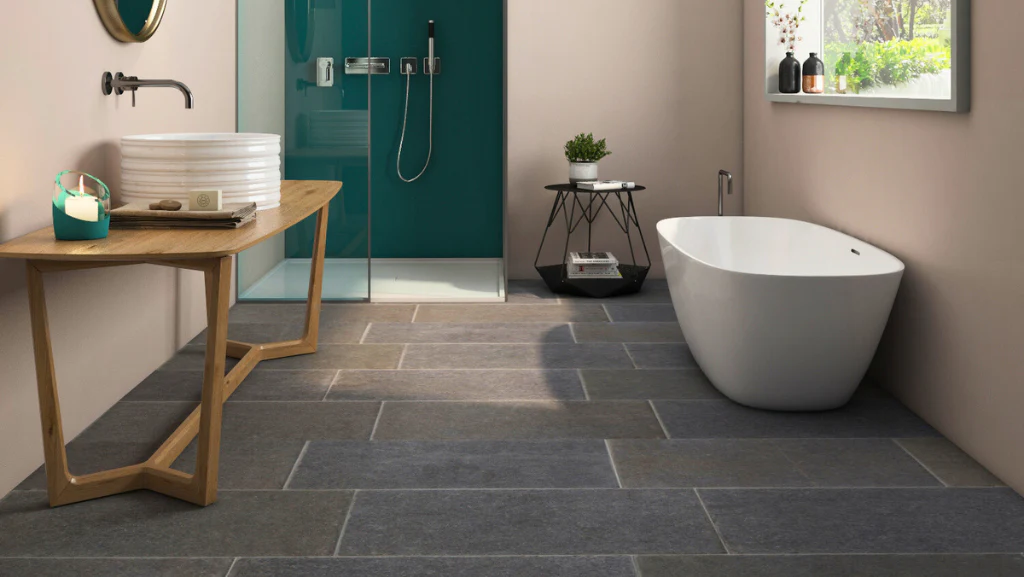
Blending different tile designs on a bathroom floor is a creative way to add personality and dimension to your space. Whether you want to highlight certain areas, create visual interest, or simply break away from traditional layouts, mixing tile styles on bathroom floor surfaces can be both stylish and practical. However, achieving a cohesive look requires thoughtful planning, a good understanding of design principles, and attention to detail.
Before you start, it’s helpful to explore resources like a bathroom flooring buyer’s guide to get a sense of the best materials, durability, and maintenance needs for your project. This article will walk you through the essentials of combining tile patterns, textures, and colors for a bathroom floor that stands out for all the right reasons.
Why Combine Different Tile Designs?
Pairing multiple tile types on a bathroom floor offers several benefits. It allows you to:
- Define zones within the room, such as separating the shower area from the vanity space.
- Highlight architectural features or focal points, like a freestanding tub or a decorative border.
- Add texture and depth to what could otherwise be a flat, monotonous surface.
- Express your style by mixing patterns, finishes, and colors in a way that reflects your taste.
When done thoughtfully, combining tile styles can elevate the look of any bathroom, from modern to classic.
Key Principles for Mixing Tile Styles on Bathroom Floor Surfaces
To avoid a chaotic or mismatched appearance, keep these principles in mind:
- Limit Your Palette: Stick to two or three different tile types. Too many variations can overwhelm the space.
- Balance Patterns and Solids: If you choose a bold patterned tile, pair it with a more subdued, solid-colored option to maintain harmony.
- Coordinate Colors: Select tiles that share a common color or undertone for a unified look.
- Play with Scale: Combine large-format tiles with smaller mosaics or hexagons for contrast without visual clutter.
- Mind the Grout: Grout color can tie different tiles together or create separation. Choose wisely based on your desired effect.
For more inspiration on tile sizes and combinations, check out this guide to choosing bathroom tile size.
Popular Tile Combinations for Bathroom Floors
Some tile pairings are especially effective for bathroom floors. Here are a few ideas to consider:
- Marble and Porcelain: Use marble tiles in the main area and porcelain mosaics in the shower for a luxurious yet practical finish.
- Wood-Look Planks and Patterned Encaustic Tiles: Combine the warmth of wood-look vinyl or ceramic planks with a bold patterned tile as an accent rug effect.
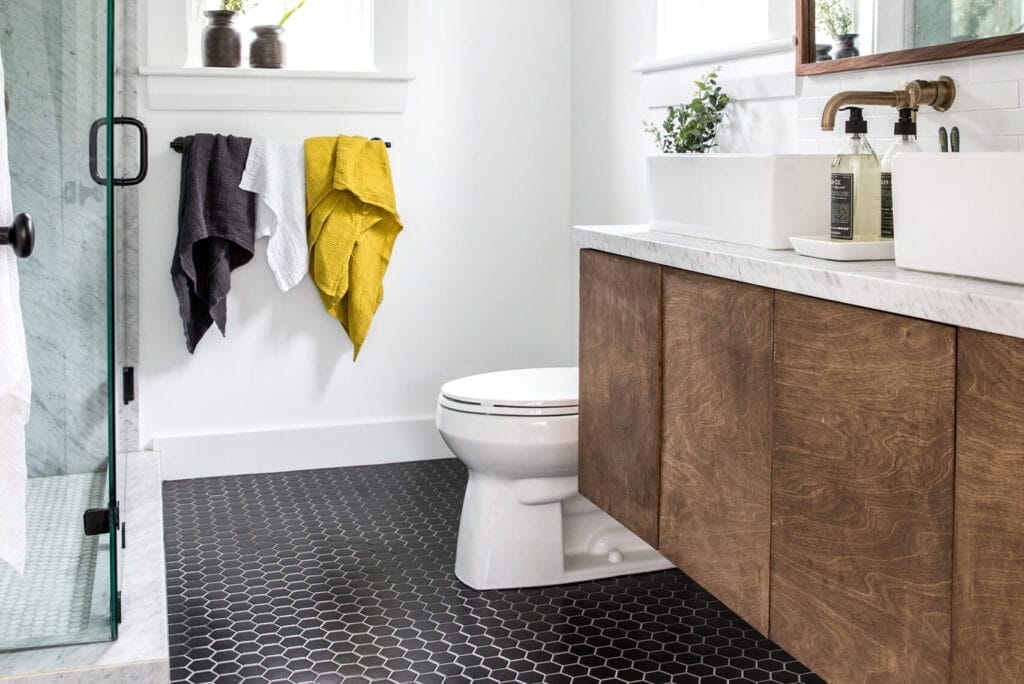
- Hexagons and Subway Tiles: Lay hexagonal tiles in the center and frame them with classic rectangular tiles for a modern twist.
- Stone and Pebble: Pair natural stone tiles with pebble mosaics to introduce organic texture and slip resistance.
These combinations not only look attractive but also serve practical functions, such as improving grip or highlighting wet zones.
Planning Your Layout: Tips for Success
Before installation, sketch your layout or use digital tools to visualize how the tiles will interact. Consider the following:
- Transitions: Use a border or threshold strip where two tile types meet for a clean transition.
- Symmetry: Keep the layout balanced, especially in smaller bathrooms, to avoid visual clutter.
- Focal Points: Decide if you want to draw attention to a specific area, such as the shower or entryway, with a unique tile pattern.
- Maintenance: Choose tiles that are easy to clean and maintain, especially in high-traffic or wet areas. For cleaning advice, see these bathroom floor cleaning tips.
When in doubt, lay out a few sample tiles on the floor to see how the colors and patterns work together in your bathroom’s natural light.
Common Mistakes to Avoid When Mixing Tile Styles
While experimenting with tile combinations can be rewarding, certain pitfalls can detract from the final result. Avoid these common mistakes:
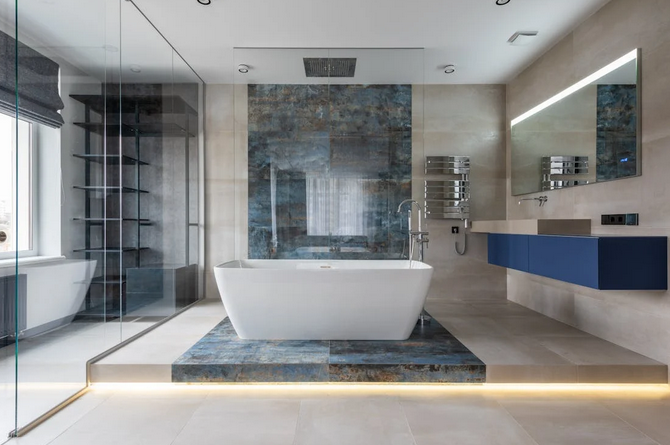
- Ignoring Scale: Mixing tiles of vastly different sizes without a plan can make the floor look disjointed.
- Overusing Patterns: Too many bold patterns can clash and create visual chaos. Use patterned tiles as accents rather than the main feature.
- Neglecting Functionality: Some tiles are slippery when wet or difficult to clean. Always consider safety and maintenance.
- Poor Transitions: Abrupt changes between tile types without a border or transition piece can look unfinished.
For more advice on selecting and testing flooring options, refer to this bathroom flooring samples guide.
Maintenance Tips for Mixed Tile Floors
Keeping a floor with multiple tile types looking its best requires regular care:
- Use the Right Cleaning Tools: Select a mop designed for bathroom tile floors to avoid scratching delicate surfaces.
- Seal Porous Tiles: Natural stone and some ceramics may need periodic sealing to prevent staining.
- Clean Grout Lines: Grout can show dirt more readily, especially when contrasting tile colors are used. Use a gentle cleaner and a soft brush.
- Address Spills Promptly: Water and soap residue can cause discoloration if left unattended, particularly on lighter tiles.
Regular maintenance will preserve the beauty and integrity of your mixed tile floor for years to come.
Expert Advice and Inspiration
If you’re unsure how to combine different tiles, consult with a professional designer or installer. They can help you visualize the final look and ensure the materials are suitable for bathroom use. For further reading, explore this comprehensive guide to bathroom flooring options for more ideas and practical tips.
FAQ
Is it practical to use more than two tile styles on a bathroom floor?
While it’s possible to use more than two tile styles, it’s generally best to limit yourself to two or three. This helps maintain a cohesive look and prevents the space from feeling too busy. Focus on balancing patterns, textures, and colors for a harmonious result.
How do I transition between different tile types?
The cleanest way to transition is by using a border tile, threshold strip, or a change in grout color. This creates a visual break and makes the change intentional rather than abrupt.
What’s the best way to choose grout color when mixing tiles?
Choose a grout color that either matches the dominant tile for a seamless look or contrasts to highlight the pattern. Test a small area first to see how the grout interacts with both tile types under your bathroom lighting.
Can I mix different tile materials, like ceramic and natural stone?
Yes, but be mindful of thickness, slip resistance, and maintenance needs. Some materials may require special care or sealing, so check manufacturer recommendations before installation.
Will mixing tile styles affect resale value?
If done tastefully and with quality materials, a well-designed mixed tile floor can enhance your bathroom’s appeal and potentially increase resale value. Avoid overly trendy or personal designs if you’re planning to sell soon.