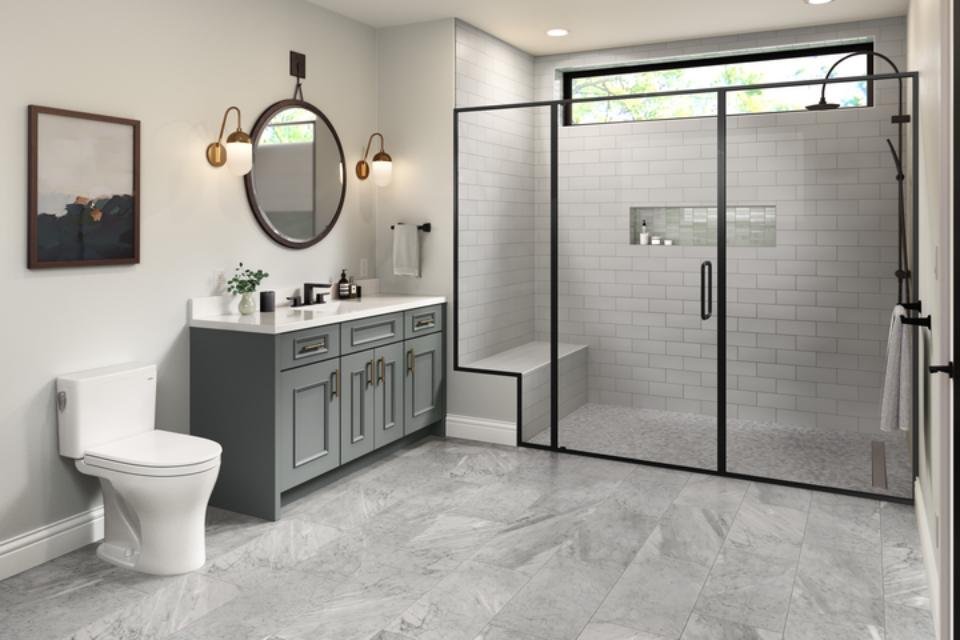
Choosing the right bathroom floor patterns for small spaces can make a significant difference in how open and inviting your bathroom feels. The right design not only enhances the visual appeal but also helps maximize the perception of space, making even the tiniest bathrooms feel more comfortable and functional. Whether you’re renovating a powder room or updating a compact ensuite, understanding which layouts and materials work best is key to achieving a stylish and practical result.
This article explores a variety of floor pattern ideas, practical tips, and expert insights to help you select the most effective options for compact bathrooms. From classic tile arrangements to creative mixing of materials, you’ll discover how thoughtful choices can transform your space. For a deeper dive into selecting the perfect flooring, you might also find the Bathroom flooring buyer’s guide helpful as you plan your project.
Why Floor Patterns Matter in Compact Bathrooms
In small bathrooms, every design decision counts. The pattern you choose for your flooring can visually expand the room, create movement, and add personality without overwhelming the space. Strategic use of lines, shapes, and color contrasts can trick the eye, making the floor appear larger and the room more open.
Some patterns can elongate the space, while others draw attention to specific features or create a sense of unity. By selecting the right arrangement, you can balance both style and function, ensuring your bathroom feels both beautiful and practical.
Popular Tile Layouts for Small Bathrooms
When it comes to tile patterns for small bathrooms, certain layouts are especially effective at enhancing space. Here are some of the most popular and space-enhancing options:
- Diagonal (Diamond) Layout: Installing square tiles at a 45-degree angle creates a dynamic look that draws the eye outward, making the floor seem wider and less confined.
- Herringbone Pattern: This zigzag arrangement of rectangular tiles adds movement and depth, which can visually lengthen a narrow bathroom.
- Offset (Brick) Pattern: Staggering tiles in a brick-like fashion breaks up straight lines, helping to disguise the boundaries of a small room.
- Large-Format Tiles: Using bigger tiles with minimal grout lines reduces visual clutter, creating a seamless look that makes the floor appear more expansive.

Creative Approaches to Bathroom Floor Designs
Beyond traditional layouts, there are creative ways to use bathroom floor patterns that make a small space feel unique and personal. Consider the following ideas:
- Mixing Materials: Combining different types of tiles or mixing tile with vinyl planks can add interest and define zones, especially in bathrooms with combined shower and laundry spaces. For more inspiration, see tips on mixing tile styles on bathroom floor.
- Geometric Shapes: Hexagonal, penny round, or other geometric tiles create a playful look and can be used to form borders or accent areas.
- Border Effects: Adding a border of contrasting tiles around the perimeter can frame the floor and make the center feel larger.
- Color Blocking: Using two or more colors in a deliberate pattern can draw attention to certain areas and add depth to the room.
Best Materials for Small Bathroom Floors
The material you choose for your floor pattern is just as important as the layout. Some materials work particularly well in small bathrooms due to their water resistance, durability, and visual impact:
- Porcelain and Ceramic Tile: These classic choices offer endless pattern and color possibilities, and their reflective surfaces can help bounce light around the room.
- Vinyl Plank and Tile: Modern vinyl options are affordable, easy to install, and available in a wide range of patterns, including wood and stone looks.
- Natural Stone: While more expensive, stone tiles like marble or slate can add luxury and texture, especially when used in smaller quantities or as accents.
For budget-friendly ideas, check out the most affordable bathroom flooring options that don’t compromise on style.
Tips for Installing Patterns in Small Bathrooms
Proper installation is crucial to achieving the desired effect with your chosen floor design. Here are some practical tips:
- Plan Your Layout: Before installing, lay out tiles dry to visualize the pattern and ensure cuts are minimized in visible areas.
- Use Light Colors: Lighter shades reflect more light, making the room feel brighter and more open.
- Minimize Grout Lines: Narrow grout lines create a more seamless look, which helps expand the visual space.
- Address Lippage: Uneven tiles can disrupt the pattern and create tripping hazards. Learn how to achieve a smooth finish by reading about how to avoid lippage in tile installation.
- Choose the Right Tile Size: Selecting appropriately sized tiles is essential. Oversized tiles can overwhelm, while very small tiles may look busy. For guidance, see how to choose bathroom tile size.
Expert Advice and Inspiration
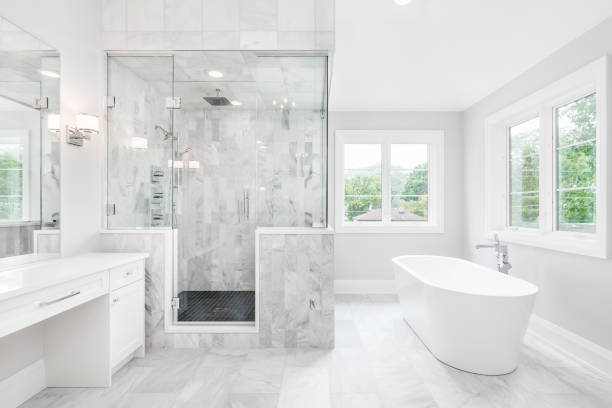
Looking for more creative ideas? There are plenty of resources that showcase innovative ways to use floor patterns in compact bathrooms. For example, these bathroom flooring ideas from House Beautiful offer a range of styles, from bold geometric layouts to subtle, minimalist designs. Browsing real-life examples can help you visualize what works best for your own space.
Remember, the best pattern is one that fits your lifestyle, maintenance preferences, and overall design vision. Don’t be afraid to experiment with samples before committing to a full installation.
Frequently Asked Questions
What floor pattern makes a small bathroom look bigger?
Patterns that use diagonal lines, such as diamond or herringbone layouts, help draw the eye outward and create the illusion of a larger floor area. Large-format tiles with minimal grout lines also contribute to a more open feel.
Are small or large tiles better for compact bathrooms?
Both can work, but large tiles tend to make a small bathroom appear more spacious by reducing the number of grout lines. However, very large tiles may require more cutting and can be challenging in rooms with lots of angles. Medium-sized tiles are often a safe choice.
Can I mix different tile styles on my bathroom floor?
Yes, mixing tile styles can add visual interest and help define different zones within a small bathroom. Just be sure to keep the color palette cohesive and avoid overly busy patterns that could make the space feel cluttered.
Is vinyl flooring a good choice for small bathrooms?
Vinyl plank and tile are excellent options for compact bathrooms. They’re water-resistant, budget-friendly, and available in many patterns that mimic wood, stone, or ceramic, making them versatile for various design styles.
How do I avoid uneven tiles (lippage) in my floor pattern?
Careful surface preparation and using leveling systems during installation are key to avoiding lippage. For more detailed guidance, see the advice on how to avoid lippage in tile installation.