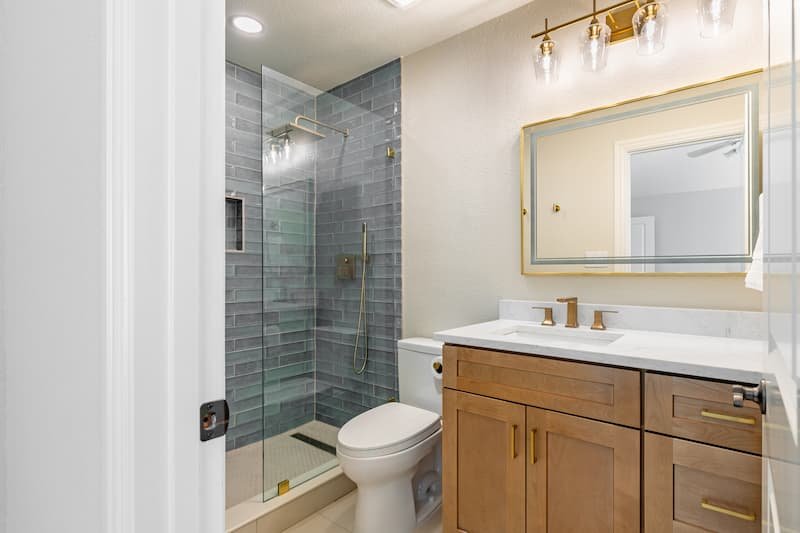
Reducing water consumption in the bathroom is one of the most effective ways to lower your utility bills and support environmental sustainability. With the right water saving bathroom fixtures, you can make a significant impact on both your household expenses and your ecological footprint. Modern plumbing technology offers a range of efficient products that don’t sacrifice comfort or performance, making it easier than ever to conserve resources at home.
This guide explores the most effective fixtures for reducing water use, how to choose the right options for your needs, and practical tips for maximizing savings. If you’re planning a bathroom renovation or simply looking to make eco-friendly upgrades, understanding your options is the first step toward a more sustainable home.
For those interested in broader eco-friendly building solutions, you might also want to explore net zero building materials explained to see how water conservation fits into a holistic approach to sustainable living.
Why Upgrade to Water-Efficient Bathroom Fixtures?
Traditional bathroom fixtures can be surprisingly wasteful. Older toilets, faucets, and showerheads often use far more water than necessary, leading to higher bills and unnecessary strain on local water supplies. By switching to efficient bathroom plumbing products, you can:
- Lower your monthly water bill by reducing daily consumption.
- Contribute to water conservation efforts in your community.
- Increase your home’s value with modern, eco-friendly upgrades.
- Qualify for rebates or incentives offered by local utilities or governments.
These benefits make upgrading a smart choice for both your wallet and the planet.
Types of Water-Saving Bathroom Fixtures
There are several key products designed to minimize water use in the bathroom. Here’s a breakdown of the most impactful options:
Low-Flow Toilets
Toilets are responsible for nearly 30% of indoor water use in the average home. Modern low-flow toilets use as little as 1.28 gallons per flush, compared to older models that can use 3.5 gallons or more. Dual-flush toilets offer even greater flexibility, letting you choose a lighter flush for liquid waste and a full flush for solids.
- Look for the WaterSense label to ensure maximum efficiency.
- Consider dual-flush models for added savings.
- Installation is straightforward and can often be done as a DIY project.
High-Efficiency Showerheads
Showers account for about 17% of household water use. High-efficiency showerheads deliver strong water pressure while using no more than 2.0 gallons per minute (gpm), compared to standard models that use 2.5 gpm or more. Many feature aerating technology or pressure-compensating valves for a comfortable experience.
- Choose models with adjustable spray settings for comfort and versatility.
- Look for WaterSense certification for proven performance.
- Installation typically takes just a few minutes and basic tools.

Water-Saving Faucets and Aerators
Standard bathroom faucets can use up to 2.2 gpm, but water-saving aerators can reduce this to 1.5 gpm or less. These simple devices mix air with water, maintaining pressure while using less water. Many modern faucets come pre-fitted with efficient aerators, but you can also retrofit existing fixtures.
- Choose WaterSense-labeled faucets for optimal performance.
- Retrofitting with aerators is an affordable upgrade for any bathroom.
- Regularly check for leaks, as even small drips can waste gallons over time.
Efficient Bathtubs and Accessories
While showers are generally more efficient than baths, you can still reduce water use with low-capacity bathtubs and accessories that encourage shorter, more efficient bathing. Consider using timers or bath volume markers to help manage water use, especially in households with children.
How to Choose the Right Water-Saving Upgrades
Selecting the best water saving bathroom fixtures for your space depends on your household’s needs, your budget, and your renovation goals. Here are some practical steps to guide your decision:
- Assess your current fixtures: Identify which toilets, faucets, and showerheads are outdated or inefficient.
- Set a budget: Water-efficient products are available at a range of price points. Factor in potential rebates or incentives.
- Prioritize high-impact changes: Toilets and showerheads typically offer the greatest savings.
- Look for certifications: WaterSense and similar labels guarantee tested efficiency and performance.
- Consult with professionals: For major renovations, a licensed plumber can help ensure proper installation and code compliance.
For more tips on planning a successful bathroom remodel and avoiding common pitfalls, check out this guide to common DIY bathroom remodeling mistakes.
Installation Tips for Maximum Efficiency
Proper installation is key to getting the most out of your new fixtures. Here are some best practices:
- Follow manufacturer instructions for all products to ensure optimal performance.
- Use plumber’s tape and check for leaks after installation.
- Test water pressure and adjust as needed to balance comfort and efficiency.
- Consider hiring a professional for more complex upgrades or whole-bathroom renovations.
Additional Ways to Conserve Water in the Bathroom
Beyond upgrading fixtures, a few simple habits can help you save even more:
- Turn off the tap while brushing teeth or shaving.
- Take shorter showers and use a timer if needed.
- Fix leaks promptly to prevent wasted water.
- Install a shower filter to improve water quality and encourage efficient use.
Combining efficient fixtures with mindful habits ensures the greatest impact on your water usage and costs.
Integrating Water Conservation with Sustainable Building
Making your bathroom more efficient is just one part of a broader commitment to sustainability. If you’re interested in eco-friendly construction and design, explore resources like best sustainable materials for home construction to see how water-saving upgrades fit within a larger green home strategy.
Frequently Asked Questions
- How much water can I save by switching to efficient bathroom fixtures?
- Upgrading to low-flow toilets, showerheads, and faucets can reduce bathroom water use by 20–60%, depending on your current setup. This can translate to hundreds or even thousands of gallons saved per year for a typical household.
- Are water-saving fixtures expensive to install?
- Many efficient fixtures are competitively priced with standard models, and installation is often straightforward. Some upgrades, like aerators, are very affordable and can be installed in minutes. Rebates or incentives may further offset costs.
- Will low-flow fixtures affect performance or comfort?
- Modern water-efficient products are designed to maintain strong pressure and reliable performance. Most users notice little to no difference in comfort, especially when choosing WaterSense-certified options.
Upgrading your bathroom with water saving bathroom fixtures is a practical step toward lower bills and a more sustainable lifestyle. Whether you’re planning a full renovation or making small changes, the right products and habits can make a lasting difference for your home and the environment.