Slippery surfaces in bathrooms are a common concern, especially in households with children, elderly family members, or anyone with mobility challenges. Choosing the right flooring can make a significant difference in both safety and style. A textured tile bathroom floor offers a practical solution by providing enhanced traction, reducing the risk of slips and falls without sacrificing design appeal.
Whether you’re renovating an existing space or building a new bathroom, understanding the benefits and options for slip-resistant tiles can help you make an informed decision. This article explores the advantages, types, installation tips, and maintenance strategies for textured surfaces, ensuring your bathroom is both beautiful and safe.
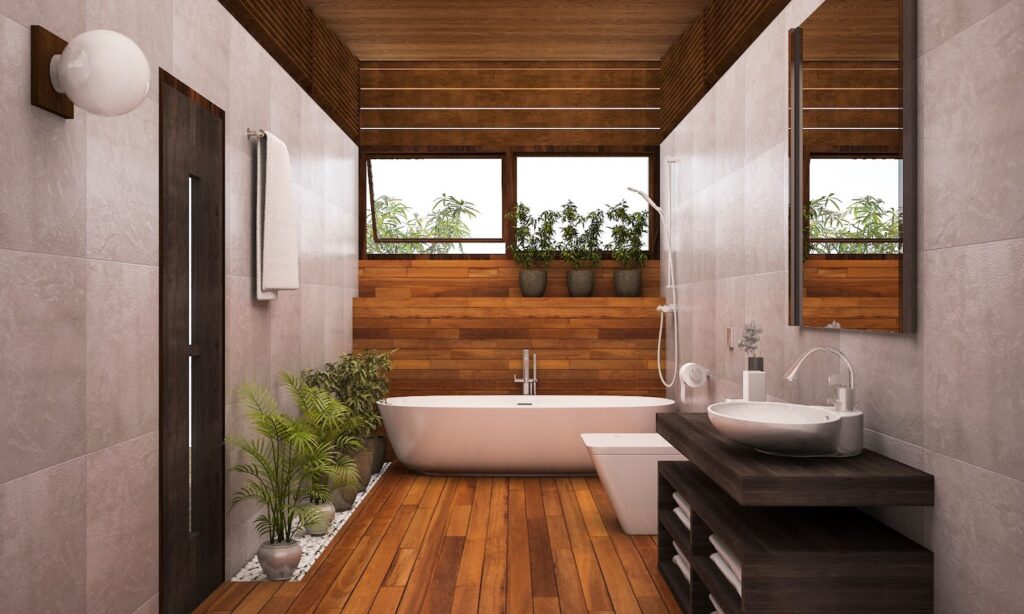
For those comparing flooring options, the Bathroom flooring buyer’s guide offers a comprehensive overview of materials, durability, and cost considerations. Reviewing this resource early in your planning process can help you weigh the pros and cons of various surfaces, including textured tiles.
Why Choose a Textured Surface for Bathroom Floors?
The main advantage of a textured tile bathroom floor is its ability to provide better grip underfoot, even when wet. Unlike glossy or polished tiles, textured options feature subtle ridges, patterns, or matte finishes that increase friction and minimize the likelihood of slipping. This makes them particularly suitable for high-moisture areas such as showers, around bathtubs, and entryways.
- Safety: Enhanced traction is the most critical benefit, especially for families with young children or seniors.
- Design Flexibility: Textured tiles come in a wide range of colors, shapes, and patterns, allowing you to match any decor style.
- Durability: Most textured tiles are made from porcelain or ceramic, which are resistant to water, stains, and heavy foot traffic.
- Low Maintenance: These surfaces are easy to clean and maintain, provided you use the right products and techniques.
Popular Types of Slip-Resistant Tiles
There are several styles and materials to consider when selecting tiles with improved grip. Each offers unique benefits and aesthetic possibilities:
- Matte-Finish Porcelain: Porcelain tiles with a matte or honed finish provide subtle texture and are highly water-resistant.
- Structured Ceramic: These tiles feature raised patterns or grooves that add both visual interest and slip resistance.
- Natural Stone: Options like slate or tumbled marble have inherent texture, though they may require sealing to prevent staining.
- Wood-Look Tiles: Many wood-effect tiles are designed with a grainy surface, combining the appearance of wood with the practicality of tile.
- Mosaic Tiles: Smaller tiles with more grout lines naturally increase traction, making them ideal for shower floors.
Design Tips for a Stylish and Safe Bathroom
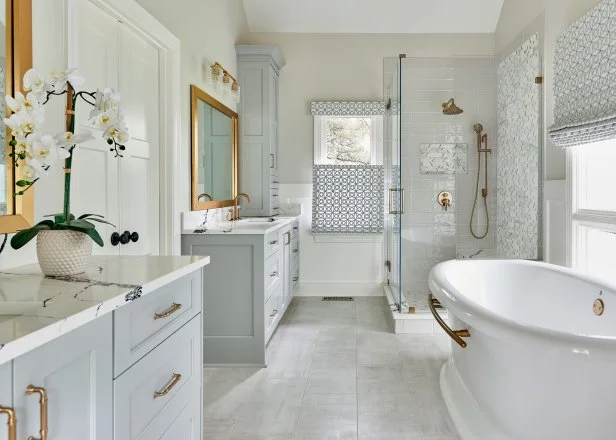
Incorporating a textured tile bathroom floor doesn’t mean compromising on style. Here are some design strategies to help you achieve a cohesive and attractive look:
- Mix Patterns and Sizes: Combine larger tiles in the main area with smaller mosaics in the shower for added grip and visual interest. For more ideas, see our guide on mixing tile styles on bathroom floor.
- Choose Contrasting Grout: A contrasting grout color can highlight the texture and pattern of your tiles, making the floor a focal point.
- Coordinate with Wall Tiles: Select wall tiles that complement your floor’s color and finish for a harmonious design.
- Consider Underfloor Heating: Textured tiles work well with radiant heating, adding comfort and luxury to your bathroom.
Installation and Maintenance Best Practices
Proper installation is crucial to maximize the safety and longevity of your slip-resistant flooring. Here are some key considerations:
- Surface Preparation: Ensure the subfloor is clean, level, and dry before laying tiles. This helps prevent uneven surfaces and potential lippage. For more on this, check out how to avoid lippage in tile installation.
- Use the Right Adhesive: Select a waterproof adhesive suitable for bathrooms to prevent moisture damage.
- Grout Selection: Epoxy or stain-resistant grout is ideal for wet areas, as it resists mold and discoloration.
- Sealing: Natural stone and some ceramic tiles may require sealing to maintain their appearance and water resistance.
- Regular Cleaning: Use non-abrasive, pH-neutral cleaners to maintain the texture and prevent buildup of soap or grime.
Comparing Textured Tiles with Other Bathroom Flooring Options
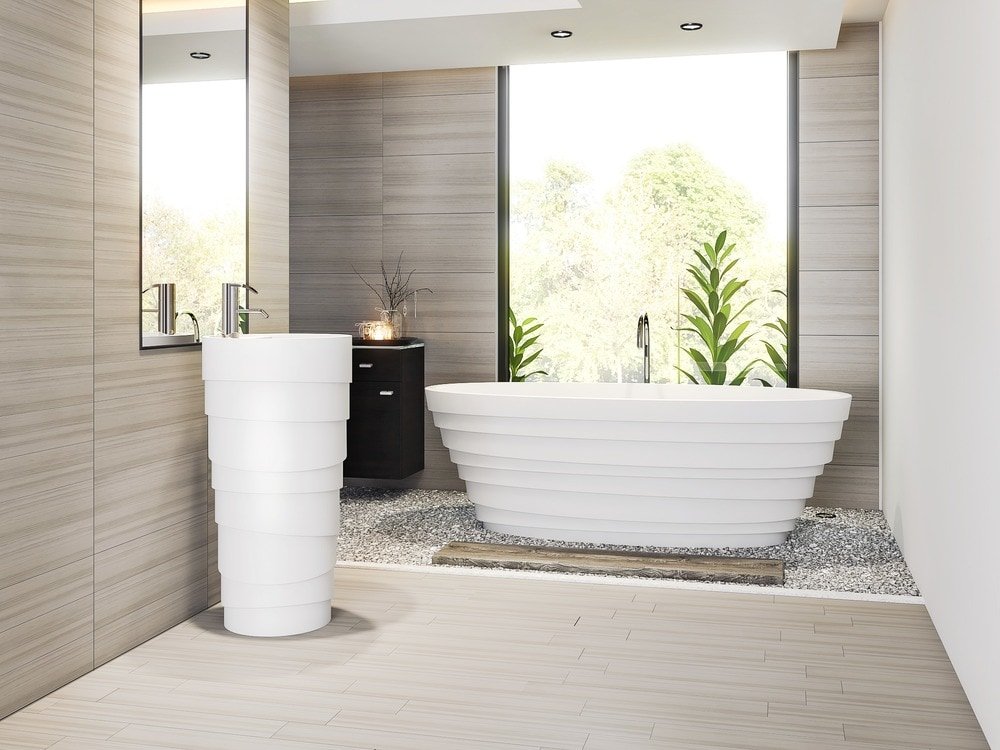
While slip-resistant tiles are a top choice for wet areas, it’s helpful to compare them with other popular bathroom flooring materials. Vinyl, laminate, and engineered wood are sometimes used, but they may not offer the same level of grip or water resistance as textured tiles. For a detailed comparison, see our article on the most affordable bathroom flooring options.
If you’re seeking inspiration for your next remodel, you can also explore a variety of creative ideas in this collection of bathroom flooring ideas from design experts.
Choosing the Right Size and Layout
The size and layout of your tiles can influence both the safety and visual appeal of your bathroom. Smaller tiles with more grout lines typically offer better traction, while larger tiles can create a seamless, modern look. For guidance on selecting the ideal dimensions, refer to our resource on how to choose bathroom tile size.
Frequently Asked Questions
Are textured tiles harder to clean than smooth tiles?
Textured surfaces may require a bit more attention during cleaning, as dirt and soap can settle into grooves or patterns. However, using a soft brush and a mild, pH-neutral cleaner can effectively remove buildup without damaging the tile.
Can textured tiles be used in the shower area?
Yes, many textured tiles are specifically designed for wet environments and are an excellent choice for shower floors. Their increased grip makes them safer than smooth tiles, especially when water and soap are present.
Do textured tiles cost more than standard tiles?
The price varies depending on the material, brand, and design complexity. While some textured options may be slightly more expensive than basic smooth tiles, the added safety and aesthetic value often justify the investment.
How do I know if a tile is slip-resistant?
Look for tiles with a certified slip-resistance rating, often indicated as a coefficient of friction (COF) value. Tiles intended for bathroom floors will typically have a higher COF, making them safer for wet conditions.
Is professional installation recommended for textured bathroom floors?
While experienced DIYers can install these tiles, professional installation ensures a level surface, proper sealing, and long-lasting results. This is especially important in wet areas where water resistance and safety are priorities.