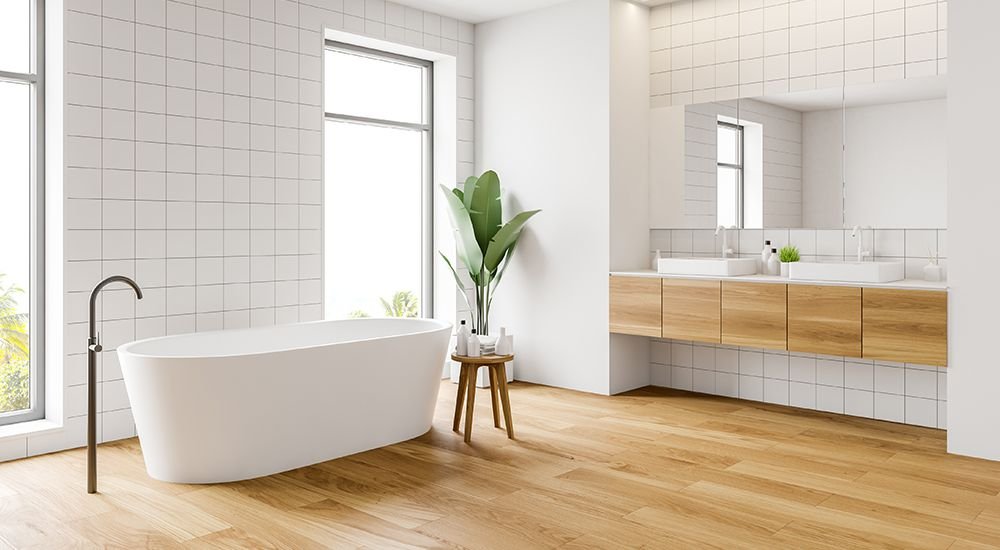
Choosing the right flooring for your bathroom is a crucial step in creating a sustainable and healthy home. As more homeowners seek to minimize their environmental impact, green bathroom flooring materials have become a top priority. These options not only help reduce your carbon footprint but also offer durability, style, and moisture resistance—essential qualities for any bathroom environment.
In this article, you’ll discover the most popular eco-friendly flooring choices for bathrooms, what makes them sustainable, and how to select the best option for your needs. For a comprehensive overview of all bathroom flooring types, you may also want to consult the bathroom flooring buyer’s guide for homeowners.
Why Choose Eco-Friendly Bathroom Flooring?
The bathroom is a unique space that demands flooring capable of withstanding moisture, frequent cleaning, and temperature fluctuations. Conventional flooring materials often contain harmful chemicals or are sourced in ways that harm the environment. By opting for sustainable bathroom flooring, you support healthier indoor air quality and reduce the demand for non-renewable resources.
- Lower environmental impact: Many green options are made from renewable or recycled materials.
- Improved indoor air quality: Eco-friendly floors often emit fewer volatile organic compounds (VOCs).
- Long-lasting durability: Many sustainable floors are designed to last, reducing waste over time.
- Stylish and versatile: Modern green flooring comes in a wide range of colors, textures, and finishes.
Top Green Bathroom Flooring Materials
There are several excellent choices when it comes to environmentally conscious flooring for bathrooms. Each has unique benefits and considerations, so it’s important to weigh your priorities—whether that’s water resistance, ease of installation, or overall sustainability.
Bamboo: A Rapidly Renewable Resource
Bamboo is one of the fastest-growing plants on earth, making it a highly renewable material. Engineered bamboo flooring is particularly well-suited for bathrooms because it is treated to withstand moisture and humidity. Look for products that are formaldehyde-free and certified by reputable organizations to ensure they meet environmental standards.
Cork: Naturally Water-Resistant and Comfortable
Cork flooring is harvested from the bark of cork oak trees without harming the tree itself. This material is naturally antimicrobial, resists mold and mildew, and provides a soft, warm surface underfoot. For bathrooms, choose cork tiles with a waterproof finish to maximize longevity and performance.
Recycled Glass Tiles: Durable and Unique
Recycled glass tiles are made from post-consumer and post-industrial glass, diverting waste from landfills. These tiles are non-porous, easy to clean, and available in a variety of colors and patterns. Their reflective surfaces can also brighten up small or dimly lit bathrooms.
Linoleum: Classic, Biodegradable, and Resilient
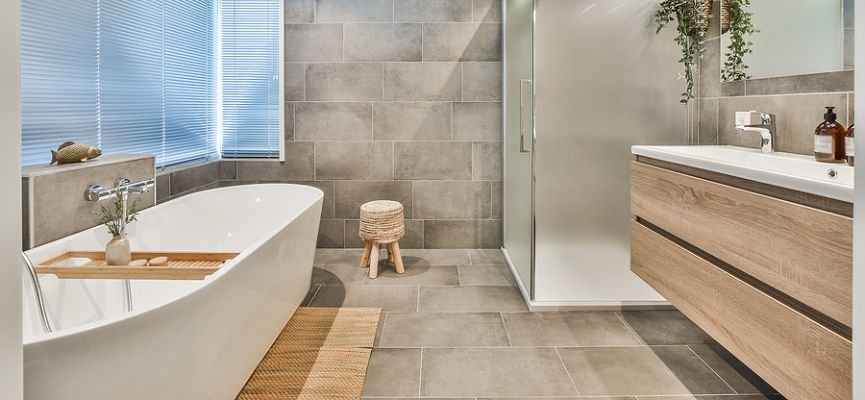
Linoleum is often confused with vinyl, but it’s made from natural materials like linseed oil, cork dust, and wood flour. It’s biodegradable, durable, and comes in a variety of colors and patterns. Linoleum is naturally antimicrobial and can handle the humidity of a bathroom when properly sealed.
Recycled and Eco Vinyl Flooring
While traditional vinyl is made from PVC, newer options use recycled content and low-VOC manufacturing processes. These eco vinyl flooring products are water-resistant, easy to install, and available in wood-look or tile-look designs. For more inspiration, explore bathroom flooring ideas from leading manufacturers.
Natural Stone: Sustainable When Responsibly Sourced
Stone such as slate, travertine, or marble can be a green choice if it’s locally quarried and processed with minimal environmental impact. Stone is extremely durable and adds a timeless look to any bathroom. Be sure to check for certifications or supplier transparency to ensure ethical sourcing.
How to Evaluate Sustainable Bathroom Flooring
Not all eco-friendly flooring is created equal. When comparing options, consider the following factors to ensure you’re making the best choice for your home and the planet:
- Material sourcing: Is the product made from renewable, recycled, or rapidly renewable resources?
- Manufacturing process: Does the manufacturer use low-emission or energy-efficient production methods?
- Indoor air quality: Look for low-VOC or VOC-free certifications.
- Durability and maintenance: Will the floor last for years with minimal upkeep?
- End-of-life disposal: Can the flooring be recycled, composted, or safely disposed of?
Installation and Maintenance Tips for Eco Floors
Proper installation and care are key to maximizing the lifespan and sustainability of your new bathroom floor. Here are some practical tips:
- Always follow the manufacturer’s installation guidelines, especially for moisture-prone areas.
- Use non-toxic adhesives and sealants to maintain indoor air quality.
- Clean with mild, eco-friendly products to prevent damage and preserve finishes.
- Address spills and standing water promptly to prevent warping or mold growth.
For those interested in cost-effective options, you can find more details in the guide to the most affordable bathroom flooring choices.
Mixing and Matching Eco-Friendly Tiles and Planks
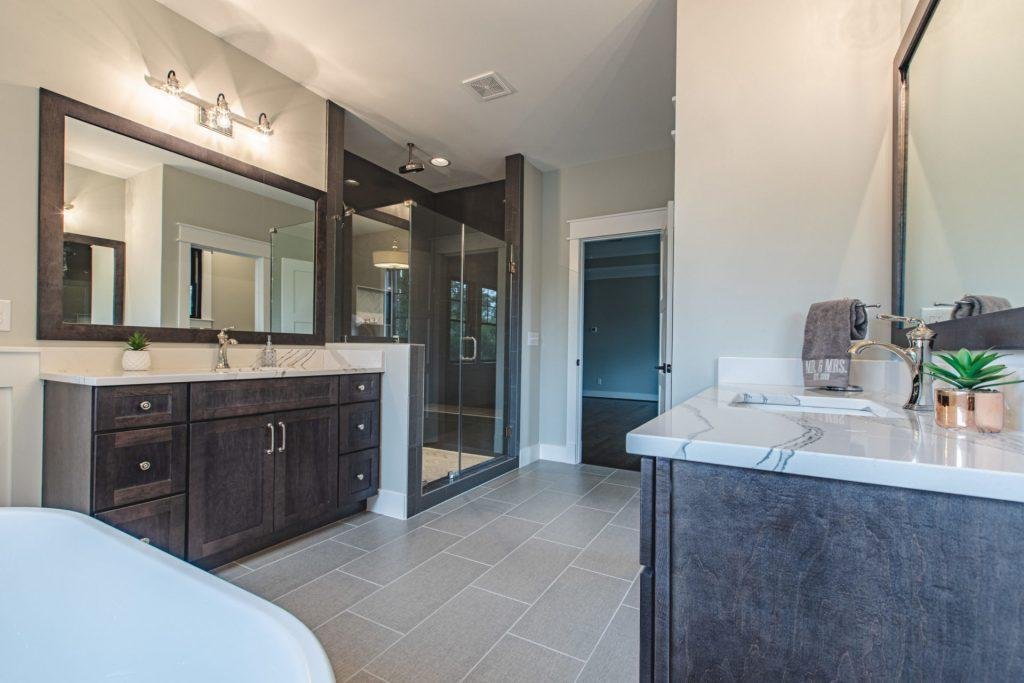
Combining different sustainable flooring types can add visual interest and help you achieve a custom look. For example, pairing recycled glass tiles with bamboo or cork planks can create a striking contrast in texture and color. If you’re considering this approach, check out advice on mixing tile styles on bathroom floor for design inspiration and practical tips.
Frequently Asked Questions
Are eco-friendly bathroom floors as durable as traditional options?
Many green flooring materials are just as durable as conventional choices when installed and maintained correctly. Options like bamboo, recycled glass, and natural stone are known for their longevity and resilience in wet environments.
How do I know if a flooring product is truly sustainable?
Look for third-party certifications such as FloorScore, GREENGUARD, or FSC for wood products. These labels indicate that the flooring meets strict environmental and health standards.
Can I install eco-friendly flooring myself?
Some sustainable floors, like click-lock bamboo or peel-and-stick vinyl planks, are designed for DIY installation. Always follow the manufacturer’s instructions and use recommended adhesives or underlayments for best results.
Conclusion
Selecting green bathroom flooring materials is a meaningful way to support a healthier home and planet. Whether you choose bamboo, cork, recycled glass, linoleum, or eco vinyl, you’ll find options that balance sustainability, style, and performance. For more help with sizing and installation, see the guide on how to choose bathroom tile size and tips on how to avoid lippage in tile installation. With the right information and a thoughtful approach, your bathroom can be both beautiful and environmentally responsible.